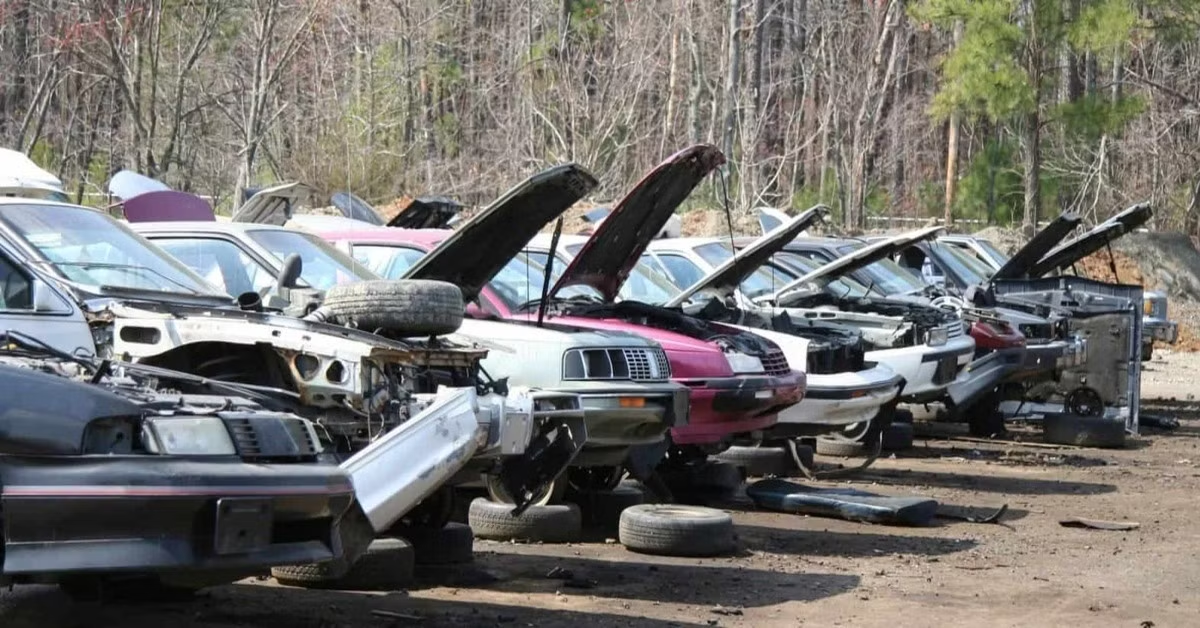
Car repairs can drain your wallet faster than you expect. Between costly labor, marked-up replacement parts, and surprise fees, even simple fixes can turn into expensive headaches. That’s why more vehicle owners are discovering the benefits of self-service salvage yards. These facilities flip the script on traditional auto part shopping by putting you in control of the process. Instead of relying on a mechanic or ordering new parts at retail prices, you head into an organized yard, find the vehicle you need, and remove the part yourself.
This hands-on approach isn’t just about saving money. It’s about understanding your vehicle better, building practical repair skills, and contributing to a more sustainable cycle of reuse. Whether you’re a seasoned DIY mechanic or someone looking to stretch your budget, this method can make a world of difference. And for anyone sitting on an old, non-running car, there’s a bonus: you can even explore getting value out of an unused vehicle while sourcing parts for another.
How the Self-Service Model Works
At its core, a self-service auto parts yard operates on a simple idea: you do the work, and you keep the savings. Rather than paying a company to pull, clean, and resell individual components, customers are invited to bring their own tools, walk through an organized yard, and remove the parts they need directly from vehicles.
When you arrive, there’s typically a small entry fee. The cars are already placed on sturdy wheel stands, and the aisles are clearly labeled so you can easily find specific makes and models. Most yards even provide an online inventory search before you visit, allowing you to check if your vehicle type is currently available.
Once inside, you’re free to explore. Whether you’re after a replacement door, a set of seats, or even an engine, the process is straightforward. You locate the vehicle, remove the part, and bring it to the counter for checkout. Because the yard doesn’t have to pay for labor or expensive inventory management, those savings are passed directly to you—sometimes up to seventy-five percent less than new part prices.
Why It’s a Smarter Way to Save
The cost benefits are obvious, but the real value runs deeper. In a self-service yard, you’re not just buying a part; you’re buying independence. You get to inspect the condition firsthand, make sure it fits your standards, and understand exactly how it connects to the rest of your vehicle. That kind of insight can prevent costly mistakes later on.
Many visitors are surprised by how much satisfaction comes from removing their own parts. Something is rewarding about knowing you fixed your car with your own two hands. Plus, it encourages resourcefulness. Instead of replacing entire systems, you can pinpoint and repair what’s needed, saving money and avoiding unnecessary waste.
And unlike online sellers or scrapyards that charge extra for pulling and cleaning, self-service yards are refreshingly transparent. You pay a small admission fee, take what you need, and that’s it. No hidden costs or inflated margins.
The Environmental Impact You Might Not Expect
Every time a driver reuses a part, it prevents another new one from being manufactured. That means fewer raw materials mined, less energy consumed, and a smaller carbon footprint overall. Auto recycling has quietly become one of the most effective ways to cut down on industrial waste.
When you pull a used bumper, alternator, or seat belt, you’re extending the life of that part and reducing the demand for new production. In a world increasingly focused on sustainability, that small act carries more weight than it might seem. Multiply that by thousands of drivers doing the same thing, and the impact adds up fast.
These yards also recycle vehicles responsibly when they’re completely stripped. Fluids are drained safely, metal is sent for reprocessing, and even tires can be reused or repurposed. The self-service model creates a circular economy where every piece of a car gets one more shot at usefulness before reaching the end of its life.
Preparing for Your First Visit
If you’ve never pulled your own auto part before, don’t worry—it’s easier than it sounds. A little preparation goes a long way. Start by checking the yard’s website for an inventory list. Most have search tools where you can input your vehicle make, model, and year to confirm availability.
Next, bring the right tools. Basic hand tools like sockets, wrenches, screwdrivers, and pliers usually do the job. Wear sturdy clothes and gloves, since you’ll be working outdoors and handling metal. Some yards offer carts, hoists, or wagons for heavier items, but it’s always smart to bring a friend if you plan to pull larger components.
When you arrive, take your time exploring. These yards are designed for convenience, and the staff can help you locate the right vehicle. Once you find your target, inspect the part carefully before removing it. Check for rust, cracks, or excessive wear to make sure it’s worth your effort.
What to Know About Warranties and Returns
Because the parts are used and customer-pulled, many sales are final. However, some yards offer optional short-term warranties for a small additional fee. This can provide peace of mind if you’re unsure about a component’s reliability. Tires, for instance, might come with a limited exchange policy if they lose air within a few days.
The key is to read and understand the warranty terms before purchasing. Most facilities require the original receipt for any return, and parts must still have identifying marks or tags intact. Being aware of these details upfront helps avoid frustration later.
Stretching Your Dollar Further
One of the biggest advantages of self-service auto yards is flexibility. You don’t have to commit to big purchases all at once. Maybe today you find a replacement mirror, and next week you pick up an alternator or seatbelt. Because the prices are so low, you can repair your vehicle in stages rather than all at once.
Many visitors also use these trips as learning opportunities. It’s a safe space to experiment, understand vehicle mechanics better, and even practice part removal techniques before attempting them on your own car. That experience can make you a more confident owner and save you from unnecessary shop visits in the future.
Turning a Hobby into a Win-Win Opportunity
For many, sourcing parts isn’t just about saving money; it transforms into a fulfilling pastime. Car enthusiasts often frequent these yards in search of rare components, to restore vintage cars, or to personalize their builds. Even everyday car owners can find satisfaction in giving new life to something that might have otherwise been discarded.
When your own vehicle eventually reaches the end of its journey, remember its inherent value remains. Selling it for parts or recycling it can help cover repair expenses or finance your next endeavor. Many yards simplify this process by managing the necessary paperwork and towing, turning the task of extracting value from an unused vehicle into a straightforward experience rather than a burden.
Final Thoughts
Pulling your own auto parts is more than just a thrifty choice. It’s a mindset shift toward empowerment, sustainability, and self-reliance. You save money, reduce waste, and gain valuable knowledge along the way.
Whether you’re repairing a daily driver or tinkering on a weekend project, visiting a self-service yard turns maintenance into an experience that’s hands-on, practical, and unexpectedly rewarding. With a little preparation and curiosity, you might find that the best mechanic for your car has been you all along.