Key Benefits of Implementing Request for Information Software

Alt text: Professionals working at computers in an office, focusing on Request for Information software benefits.
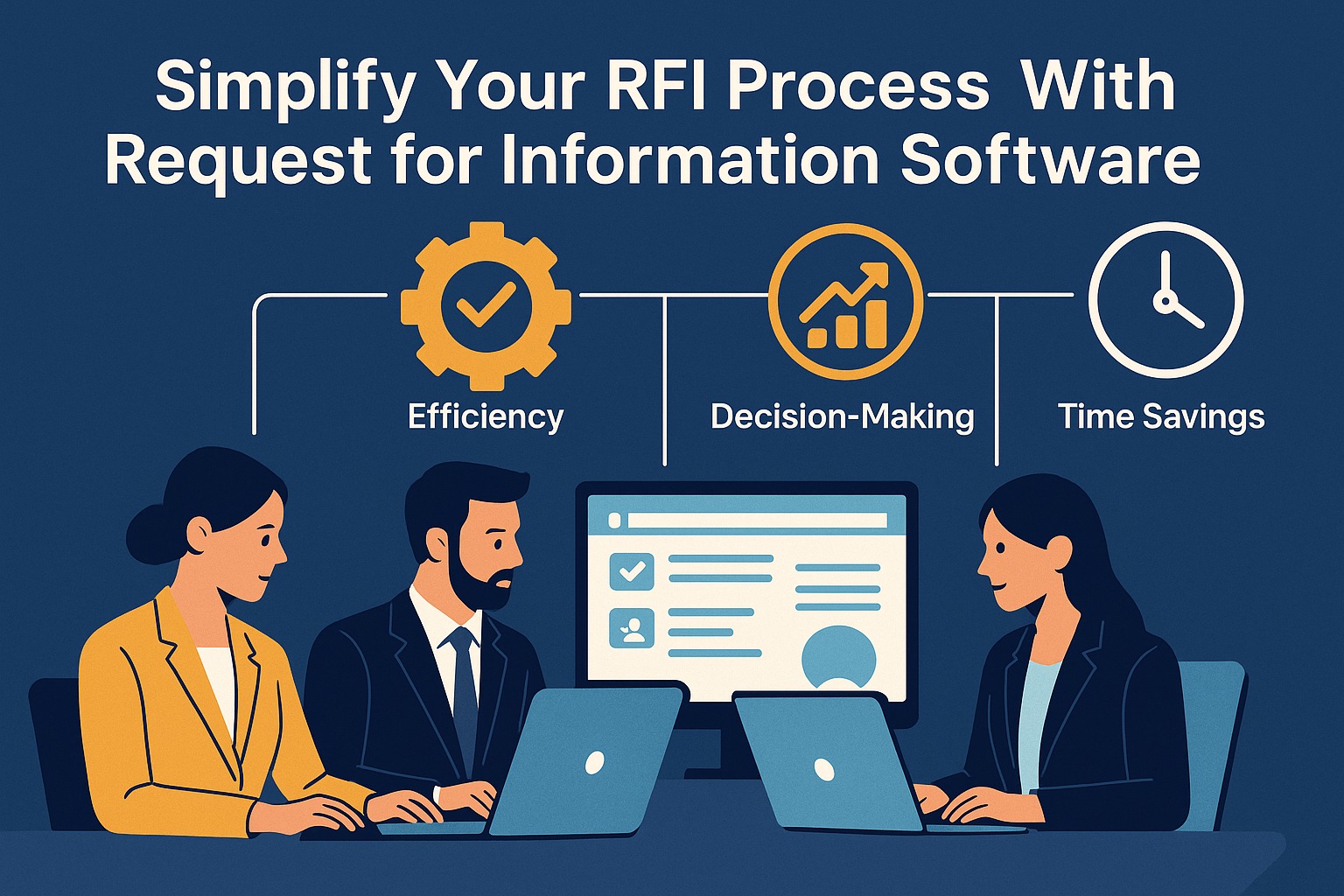
Request for information software boosts efficiency by automating time-consuming tasks and streamlining workflows. It accelerates decision-making and keeps projects moving forward without delays. Built-in templates and standardized responses also improve accuracy, reducing errors and making it easier to analyze and compare vendor input.
In addition, the software provides real-time tracking and clear visibility into every inquiry, helping teams stay on top of communication and vendor engagement. With a centralized platform, collaboration becomes smoother, allowing teams to work together more effectively no matter where they are located.
Understanding the RFI Process in Project Management
Request for Information (RFI) is a crucial process in project management that gathers information from suppliers or vendors before making decisions about procurement or project strategies. It serves as a foundational research tool, helping companies understand potential partnerships, pricing structures, and service capabilities. Managing RFIs can be challenging due to the arduous process of drafting documents, distributing them, monitoring responses, and analyzing the gathered information.
Traditional RFI processes can lead to inefficiencies and miscommunication, especially when dealing with high volumes of inquiries. Modern RFI solutions automate and manage the process, providing a structured and efficient pathway for exchanging information with external parties, ensuring timely project progress and precise communication.
How to Choose the Right RFI Software for Your Business Needs
When choosing RFI software, consider your business’s specific needs, such as the scale of your activities and the features that would benefit your workflow. Ensure the software integrates smoothly with your current project management and procurement platforms, minimizing the learning curve and ensuring data transfers without complications.
Consider the software provider’s reputation, customer service responsiveness, and training resources for continuous support. Look for software that offers customization, as every company’s RFI process is unique. Request demonstrations and trial periods to fully evaluate the software’s suitability for your organization’s specific needs.
Streamlining Communication and Collaboration with RFI Tools

Alt text: A group of professionals collaborating at computers in an office, focused on enhancing communication with RFI tools.
RFI software can significantly improve business communication by centralized document repositories and communication channels, reducing the need for lengthy email threads and disparate file versions. It also enhances collaboration by allowing team members to work on RFI responses or evaluations simultaneously, reducing time spent consolidating input and feedback.
Customizable access controls within RFI software enhance information security by protecting sensitive data from unauthorized access. Effective RFI tools also improve the overall communication framework of a project, establishing trust with vendors and partners through timely and organized interaction. These strengthened relationships are crucial for successful project outcomes and future collaborations.
Measuring the Success and ROI of Your RFI Software Investment
The success of implementing RFI software is crucial for understanding its impact on business processes. Key metrics include reducing the time it takes to complete the RFI process, resulting in improved efficiency and project timelines. Cost savings are another significant indicator, as it reduces administrative workload, errors, and faster decision-making.
The software also enhances vendor interactions and responses, providing more relevant and high-quality data for better decision-making and successful project outcomes. The return on investment (ROI) from RFI software can be ascertained through improved project execution and outcomes, often resulting from the implementation of specialized software solutions. Continuously tracking these performance indicators validates the worth of RFI tools.
Overall, the adoption of request for information software is a strategic move for any business aiming to enhance its RFI process. With considerable improvements in efficiency, collaboration, and communication, the benefits are substantial. Careful selection and evaluation of RFI tools are crucial to ensure they align with your business requirements, and ongoing success measurements can display a clear picture of ROI.