Sir Alex Younger: The Silent Power Behind Britain’s Global Intelligence
A Strategic Mind Who Shaped Modern Espionage as Former Chief of the Secret Intelligence Service of the United Kingdom

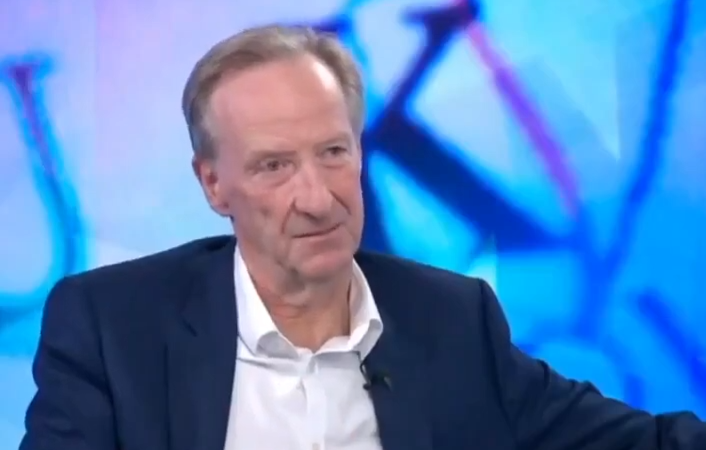
Table of Contents
ToggleIntroduction
Sir Alex Younger stands as one of the most influential yet discreet figures in modern British public life. As the Former Chief of the Secret Intelligence Service of the United Kingdom, he operated at the highest levels of national security while remaining almost entirely out of public view. His career reflects strength, discipline, and strategic brilliance, yet it also carries the burden of secrecy, sacrifice, and immense responsibility.
In an era defined by cyber warfare, terrorism, and geopolitical rivalry, Sir Alex Younger helped steer Britain’s intelligence services through unprecedented global uncertainty. Admired for his calm authority and criticised by some for the unavoidable opacity of intelligence work, his leadership represents both the power and the limits of modern espionage.
Quick Bio
| Attribute | Details |
|---|---|
| Full Name | Sir Alexander William Younger |
| Known As | Sir Alex Younger |
| Date of Birth | 4 July 1963 |
| Birthplace | Westminster, London, England |
| Nationality | British |
| Profession | Intelligence Officer (Retired) |
| Known For | Former Chief of the Secret Intelligence Service of the United Kingdom |
| Education | Marlborough College; University of St Andrews (Economics) |
| Years Active | 1986 – 2020 |
| Marital Status | Married |
| Children | Three |
Early Life and Background
Sir Alex Younger was born in Westminster, London, into a family with Scottish heritage. His early years were shaped by a traditional British upbringing that valued discipline, education, and public service. From an early age, he demonstrated a strong intellectual curiosity and a natural inclination toward structured leadership.
Unlike public figures in politics or entertainment, much of his formative life remains private by necessity. This discretion was not accidental but foundational, preparing him for a future in which silence, judgment, and restraint would be as important as action.
Education and Intellectual Foundation
Sir Alex Younger received his early education at Marlborough College, one of Britain’s most respected independent schools. The environment fostered analytical thinking, responsibility, and leadership—qualities that would later define his professional life.
He went on to study Economics at the University of St Andrews in Scotland. This academic background gave him a deep understanding of global systems, strategic decision-making, and international relations, all of which proved critical in intelligence leadership.
Military Beginnings and Discipline
Before entering the intelligence world, Sir Alex Younger began his professional journey in the British Army. Commissioned in 1986, he served with the Royal Scots and later the Scots Guards, gaining firsthand experience in command structures and operational discipline.
Military service instilled in him resilience, accountability, and an understanding of risk under pressure. These years formed the backbone of his leadership style—measured, calm, and decisive—even in the most complex situations.
Entry into Intelligence Service
In 1991, Sir Alex Younger joined the Secret Intelligence Service, commonly known as MI6. This transition marked the beginning of a career that would span nearly three decades in British intelligence.
His early intelligence work involved overseas postings and operational responsibilities in challenging international environments. These assignments sharpened his understanding of human intelligence and the realities of global conflict beyond theory or policy.
Operational and Leadership Roles in MI6
Over the years, Sir Alex Younger rose steadily through the ranks of MI6, taking on increasingly senior responsibilities. His operational experience across Europe, the Middle East, and Afghanistan gave him a broad strategic outlook and deep field knowledge.
He later served as Director of Counter-Terrorism, a role that placed him at the centre of Britain’s response to evolving global threats. His leadership contributed to intelligence coordination during high-risk periods, including major international events hosted by the UK.
Becoming Chief of MI6
In 2014, Sir Alex Younger was appointed Chief of the Secret Intelligence Service, becoming the public face—though still largely unseen—of Britain’s foreign intelligence operations. He held this position until 2020, making him the longest-serving MI6 Chief in half a century.
As the Former Chief of the Secret Intelligence Service of the United Kingdom, he oversaw a critical transformation period. Intelligence work expanded beyond traditional espionage to include cyber threats, hybrid warfare, and complex state-level competition.
Leadership Style: Strength and Criticism
Sir Alex Younger was widely regarded as a calm, analytical, and strategic leader. He emphasised collaboration with allies, technological adaptation, and long-term thinking over short-term reactions.
However, like all intelligence leaders, his tenure also faced criticism. Intelligence failures, ethical debates, and the unavoidable secrecy of the profession meant that not all actions could be publicly defended or explained. This dual reality highlights both the strength and controversy inherent in intelligence leadership.
Personal Life and Family Values
Despite the pressures of his career, Sir Alex Younger maintained a strong commitment to family life. He is married and has three children, choosing to keep his private world separate from his public responsibilities.
A significant personal tragedy occurred in 2019 with the loss of his son in a road accident. This event underscored the human side of a man often seen only through the lens of national security and authority.
Life After MI6
Following his retirement in 2020, Sir Alex Younger stepped into public advisory and analytical roles. He became involved in policy discussions, think-tank work, and public speaking on global security and intelligence matters.
His post-service career reflects a shift from secrecy to selective openness, offering insights into global threats while still respecting the boundaries of classified work. His voice remains influential in shaping contemporary security discourse.
Legacy and Historical Significance
Sir Alex Younger’s legacy lies in his role as a moderniser of British intelligence. He helped adapt MI6 to a rapidly changing world where threats are less visible but more complex and technologically driven.
He will be remembered as a leader who balanced power with restraint, authority with humility, and secrecy with responsibility. His career embodies the paradox of intelligence work: immense influence exercised almost entirely out of sight.
Conclusion
Sir Alex Younger represents the quiet strength of modern British intelligence. As the Former Chief of the Secret Intelligence Service of the United Kingdom, he carried immense responsibility without public acclaim, shaping decisions that affected national and global security.
His story is one of discipline, service, and strategic intelligence—powerful in impact, restrained in presence. In both achievement and sacrifice, his career stands as a defining chapter in Britain’s intelligence history.
Frequently Asked Questions (FAQ)
Who is Sir Alex Younger?
Sir Alex Younger is a British intelligence officer who served as the Chief of the Secret Intelligence Service from 2014 to 2020.
Why is Sir Alex Younger significant?
He is significant for modernising MI6 and leading it through a period of global cyber threats, terrorism, and geopolitical competition.
What did Sir Alex Younger study?
He studied Economics at the University of St Andrews after attending Marlborough College.
Was Sir Alex Younger in the military?
Yes, he served in the British Army before joining MI6.
What is Sir Alex Younger doing now?
Since retiring, he has been involved in strategic advisory roles, public speaking, and security policy discussions.