Sophia Gaston: A Powerful Voice Shaping Modern British Foreign Policy
How strategic research, public opinion, and global security thinking define her influence

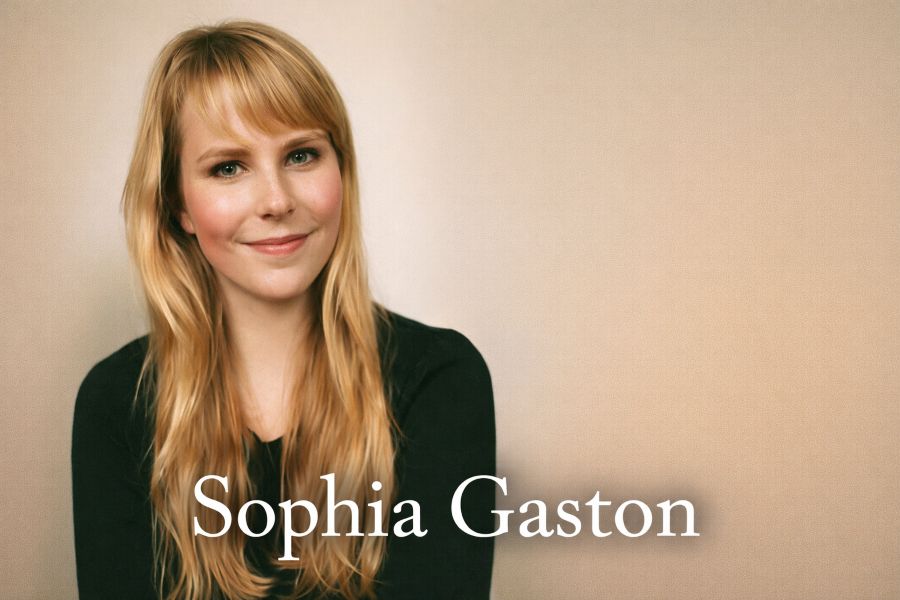
Table of Contents
ToggleIntroduction
Sophia Gaston has emerged as one of the most influential British foreign policy thinkers of the modern era. Known for her sharp geopolitical insight and rigorous research, she stands at the intersection of academia, public policy, and strategic advisory work. Her career reflects both the strengths and challenges of contemporary foreign policy analysis—balancing democratic accountability with the realities of global competition.
At the same time, her work attracts scrutiny. Supporters praise her evidence-based approach and clarity, while critics argue that elite policy circles can risk distancing strategy from everyday public concerns. This tension, however, is exactly what gives her work relevance and authority in today’s complex global environment.
Quick Bio
| Field | Information |
|---|---|
| Full Name | Sophia Gaston |
| Nationality | British |
| Profession | Foreign Policy Researcher, Geopolitical Analyst, Strategic Adviser |
| Known For | UK foreign policy analysis, public opinion research, security strategy |
| Affiliation Highlights | British Foreign Policy Group, King’s College London |
| Expertise Areas | Foreign policy, national security, geopolitics, public opinion |
Who Is Sophia Gaston?
Sophia Gaston is a British foreign policy researcher whose work focuses on how states understand their role in the world. She is particularly known for linking public opinion with foreign policy strategy, a combination that strengthens democratic legitimacy but also exposes political fault lines.
Her professional identity is rooted in research rather than politics itself. This distinction allows her to critique policy choices openly, even when they are uncomfortable for decision-makers. As a result, her analysis is often described as both constructive and challenging.
Educational Background and Intellectual Foundations
Sophia Gaston’s academic background lies in political and social research, with study and professional affiliation connected to The London School of Economics and Political Science. This environment shaped her analytical style, emphasising empirical research, comparative analysis, and policy relevance.
Her intellectual foundation blends social science methods with strategic studies. This allows her to examine not only what governments do, but why publics accept or resist those decisions. That dual focus remains a defining feature of her work.
Start of Her Career
Her early career developed within research organisations focused on political culture, democracy, and governance. During this period, she worked on understanding how societal values and political behaviour influence national decision-making.
This phase laid the groundwork for her later move into foreign policy. By first studying domestic political dynamics, she gained insight into the constraints under which international strategy must operate.
Leadership in Think Tanks
One of the most significant chapters in Sophia Gaston’s career has been her leadership of major policy institutions. As Director of the British Foreign Policy Group, she helped elevate public discussion around Britain’s global role.
Her leadership demonstrated both strengths and limitations of think-tank influence. While such organisations can shape debate and inform policymakers, they must also guard against becoming disconnected from public concerns. Gaston addressed this challenge directly by prioritising public opinion research.
Academic and Research Roles
Alongside think-tank leadership, she has held senior academic research roles, including work with King’s College London in the field of statecraft and national security. These roles anchor her policy commentary in scholarly research.
Her academic involvement ensures methodological discipline. At the same time, critics of academic policy work argue that theory can sometimes lag behind fast-moving geopolitical realities. Gaston’s career shows an ongoing effort to bridge that gap.
Strategic Advisory Work
Beyond academia, Sophia Gaston serves in strategic advisory roles linked to defence and national security. In this capacity, she contributes research-driven insight to discussions on alliances, deterrence, and geopolitical risk.
This advisory dimension highlights the practical impact of her work. It also exposes her to criticism, as advisory roles often operate close to power. Maintaining analytical independence remains a key challenge for any adviser in this space.
Core Areas of Expertise
Her work consistently focuses on:
-
British foreign policy strategy
-
National and international security
-
Transatlantic and allied cooperation
-
Indo-Pacific geopolitics
-
Public opinion and democratic resilience
By connecting these areas, she presents foreign policy not as abstract diplomacy, but as a lived political choice shaped by citizens and institutions alike.
Public Engagement and Media Presence
Sophia Gaston is a regular commentator in public discussions on geopolitics and security. Through media appearances and public speaking, she translates complex strategic issues into accessible language.
This visibility increases her influence but also her exposure to criticism. Public intellectuals must navigate misinterpretation and polarisation, especially in debates around national security and global power.
Challenges and Criticism
No influential policy thinker escapes criticism. Some argue that think-tank research can reinforce existing power structures, while others believe that strategic realism risks overshadowing ethical considerations.
Gaston’s work sits within this debate. While she emphasises democratic accountability, critics still question whether elite research environments fully represent diverse public voices. These critiques underscore the importance—and difficulty—of her mission.
Legacy and Long-Term Impact
Sophia Gaston’s growing legacy lies in her insistence that foreign policy must remain connected to public understanding. By integrating opinion research with strategic analysis, she has helped reshape how foreign policy is discussed in Britain.
Her influence is visible in policy debates, academic research, and public discourse. Whether praised or challenged, her work continues to shape how Britain thinks about its place in a changing world.
Conclusion
Sophia Gaston represents both the promise and pressure of modern foreign policy research. Her career demonstrates intellectual rigour, strategic relevance, and public engagement. At the same time, it reflects the ongoing tension between expert analysis and democratic participation.
This balance—between insight and accountability—defines her contribution. As global politics grow more complex, her work remains a significant reference point in understanding British foreign policy today.
Frequently Asked Questions (FAQ)
What is Sophia Gaston known for?
She is known for her work on British foreign policy, geopolitics, national security, and public opinion research.
Is Sophia Gaston an academic or a policymaker?
She is primarily a researcher and analyst, working across academic institutions, think tanks, and advisory roles.
What makes her work distinctive?
Her integration of public opinion research with foreign policy strategy sets her apart from many traditional analysts.
Does she focus only on the UK?
While Britain is central to her work, she also analyses global security, alliances, and international geopolitics.
Why is her work influential?
Because it connects rigorous research with real-world policy debates, making complex global issues accessible and relevant.