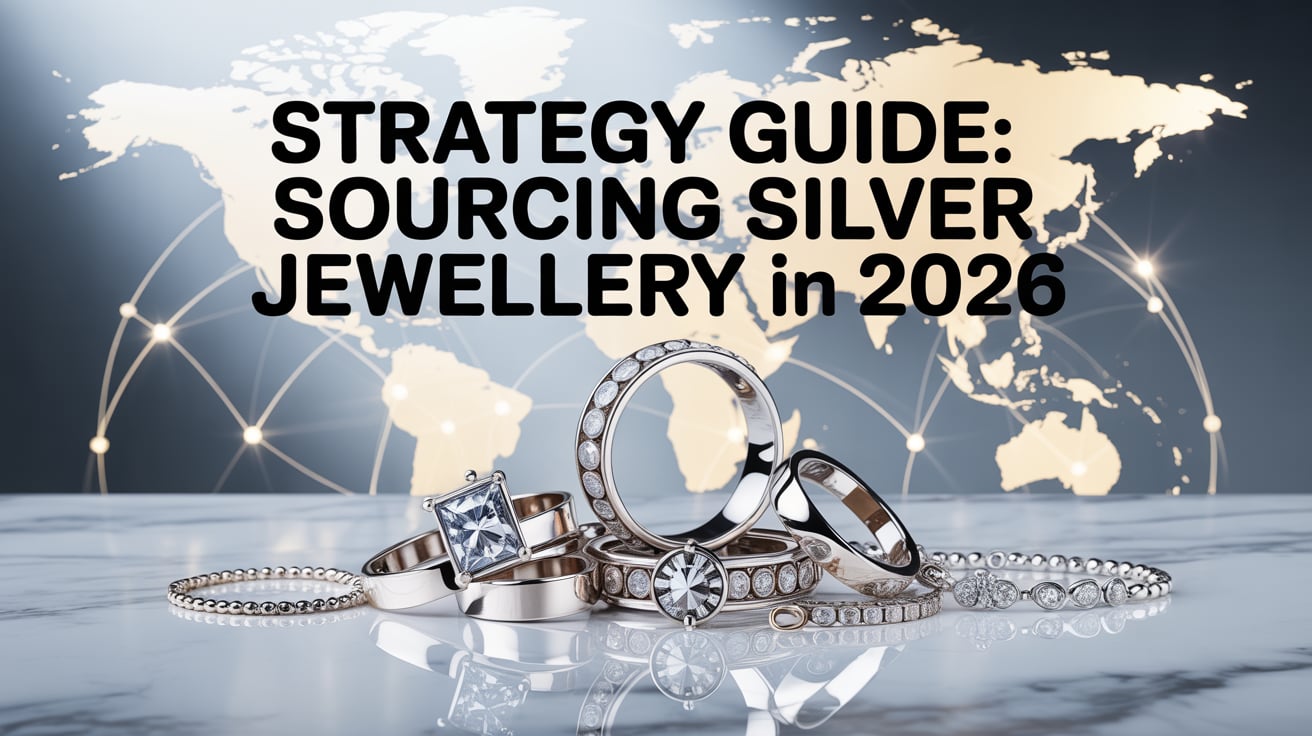
UK retailers looking to source silver jewellery in 2026 are facing a new landscape. With higher metal costs prices, cautious spending and consumer scrutiny all playing a major role in how businesses now operate, sourcing decisions are yet another key focus for retailers looking to react to the market.
So with the current context of tough economic times globally, for both businesses and consumers, silver jewellery has it’s place. Practically speaking, sterling silver is a malleable yet hardwearing, prestigious yet affordable material that retailers can rely on to navigate economic uncertainty.
Understanding Lightweight Silver Jewellery
Sterling silver jewellery is often misunderstood when the term ‘lightweight’ gets added in! Because an item is on the lighter side, it does not in any way impair it’s quality or purity. Sterling silver (or 925 silver) is always 92.5% pure silver. Be it heavy or light, you can rely on the silver purity.
Modern manufacturing methods, such as those used by UK-based supplier SilverJD, allow them to reduce the weight and metal volume of a piece without weakening it. By using careful profiling, strategic weight distribution & advanced casting techniques, manufacturers are able to create practical, durable and lightweight designs that suit market trends, and consumer interest.
But you have to consider that these modern manufacturing advancements do not only benefit the consumer. Retailers prefer sourcing lightweight items, often for one key reason: transportation costs. The cost in postage and delivery fees has risen alongside the economy in the past few year, bringing with it concern and difficulty for retailers. Retailers mitigate these costs by opting for lightweight designs, so much so that they have shifted trends for consumers in the market. This is not by chance, but by industry wide marketing!
Adapting To Increasing Metal Prices
The rise in silver and gold price has become the reality we now live in. Manufacturers, wholesalers, retailers and consumers alike are adapting to the rising and unpredictable costs of these metals. This is creating pressure in the supply chain of many businesses, with few untouched by the changes.
Rather than diminishing demand though, retailers are finding that they need to respond to higher prices. Product ranges are being condensed and concentrated. Silver has taken on a lead role in providing a balance to consumers of perceived value and affordability. Mixed-metal designs, and gold plating are now standards in achieving a gold aesthetic. In most cases, the price volatility of the materials has just made buying decisions far more intentional and less reactive to market trends.
The Designs To Focus On
Retailers are continuing to rely on specific designs to weather the economic storm. They’re choosing designs that consumers are familiar with and offer the most value for money, while meeting modern trends.
Bow stud earrings are a great example. Their simplicity works across demographics, and their giftability makes them a consistent choice throughout the year. They require little explanation at point of sale and sit comfortably alongside other staple items.
Initial necklaces set with cubic zirconia too are another item that retailers consider a reliable option. The personalisation factor is a growing trends among consumers, with initials a classic design.
Stacking jewellery however, particularly rings and hoop earrings, are where retailers are now flocking. These items allow consumers to build collections over time, and allow retailers the advantage of marketing multiple pieces to consumers. This greatly increases the perceived value of the items + their light weight makes them an affordable option for retailers to test and stock.
Why Supplier Standards Matter
As you and I are well aware, we’re battling touch economic times, and adapting as well as possible. Sourcing decisions are becoming more measured, and trust in suppliers is all the more valuable now than ever.
With modern manufacturing techniques, it’s become easier than ever to produce fake, low quality items, made with low-quality or even dangerous materials. Some manufacturers will be looking to cut corners to ensure their profit margins remain stable, therefore it’s incredibly important that, if you’re looking to find a new supplier, that you ensure they’re recognised under professional standards frameworks. Member organisations such as the National Association of Jewellers provide reassurance around standards, transparency, and business conduct.
Working with established suppliers who understand the UK retail landscape can reduce friction across pricing, compliance, and communication. SilverJD is one example of a UK-based silver wholesaler operating within these professional structures, reflecting the type of supplier relationships many businesses are quietly prioritising.
Closing Thoughts
For jewellery retailers, 2026 is shaping up to be about staying steady rather than standing out. Lightweight design, dependable product categories, and credible sourcing are not headline-grabbing strategies, but they tend to hold their shape over time. In a market where conditions affect everyone, those shared fundamentals often matter most.