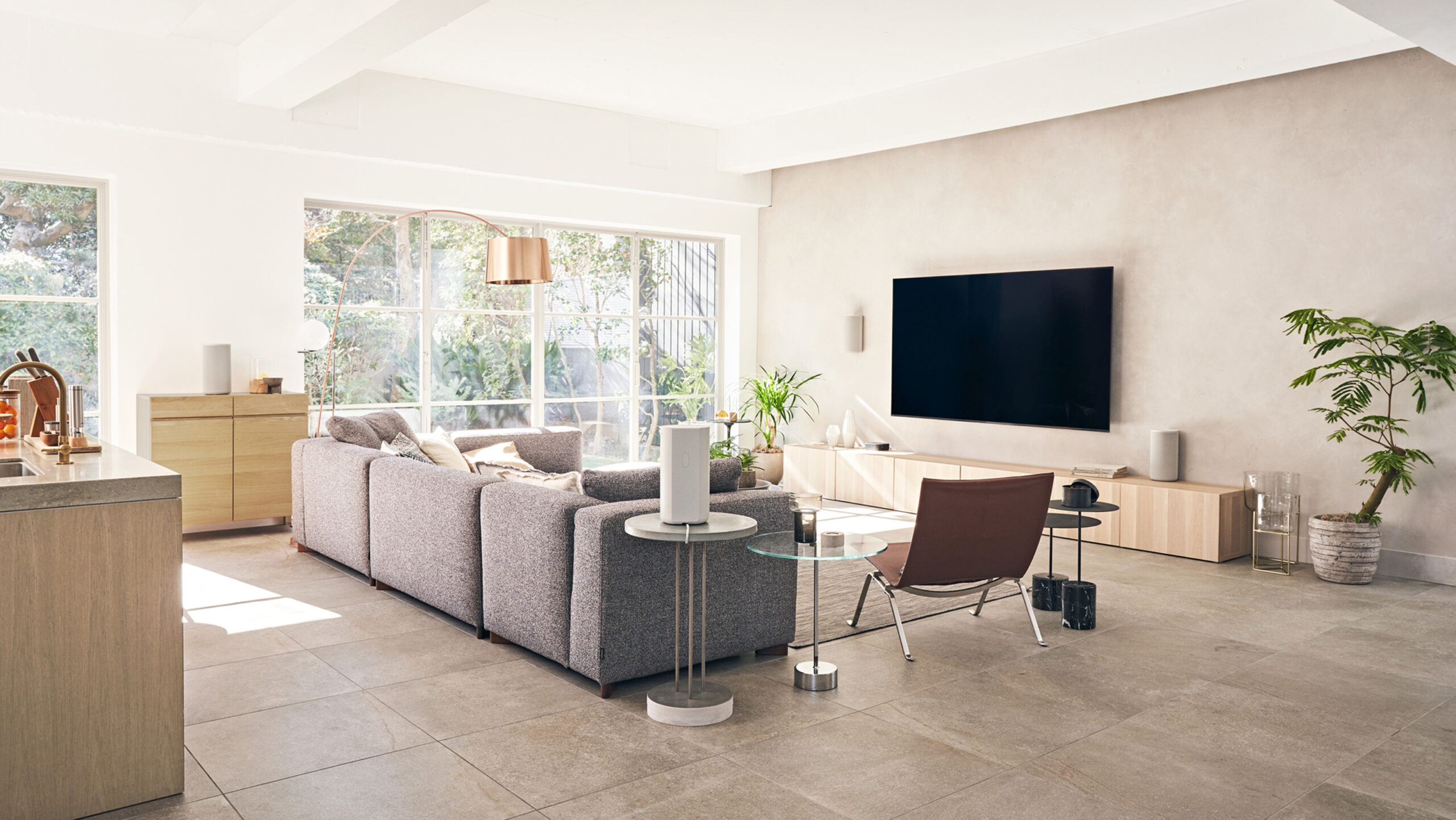
When you walk into a space that sounds right, you feel it instantly. The crisp clarity of dialogue, the smooth transition of tones, and the enveloping power of a rich soundtrack can transform an ordinary evening into a memorable experience. Modern homes are no longer defined by size or décor alone; they’re shaped by how they feel and sound. Today’s design conversations go far beyond visuals, focusing on the invisible architecture of sound that brings life, warmth, and depth to every room.
In a world where entertainment, relaxation, and connection often blend within the same space, immersive audio has become a defining feature of elevated living. The goal is no longer just to hear what’s playing but to feel it resonate through the walls, floor, and air around you. It’s a holistic experience where acoustics, aesthetics, and technology work together, powered by precision-tuned media systems that make every note and whisper count.
Hearing Beyond the Obvious
Most people underestimate how much their space affects sound. Hard surfaces, open layouts, and furniture placement can make or break the way audio performs. A sleek living room with floor-to-ceiling windows might look stunning, but those same panes can scatter or reflect sound unevenly. The art of immersive audio begins by understanding how each element of a room either supports or disrupts acoustics.
Designers now collaborate closely with audio specialists to balance these factors. Walls can double as sound panels, ceilings can absorb rather than echo, and even fabrics can serve a purpose beyond aesthetics. Every decision, from the placement of a sofa to the curvature of a wall, can either enhance or dilute your listening experience. The science of sound becomes a form of design, where technology respects the integrity of architecture.
The Invisible Power of Professional Design
It’s easy to think great sound comes from buying high-end speakers, but the real magic lies in calibration and integration. Immersive sound design is less about brand and more about how the entire system interacts with the environment. The relationship between each component, including amplifiers, subwoofers, tweeters, and acoustic treatments, creates a living, breathing soundscape.
Professional audio designers take the guesswork out of setup. They measure frequencies, account for reflections, and fine-tune output to match how your ears naturally perceive sound in that space. It’s a process that feels more like sculpting than installing, and the results are transformative. A properly tuned system doesn’t just fill a room; it disappears into it. You no longer notice where the speakers are because the sound feels everywhere and nowhere at once.
If you’ve ever wanted to understand how that level of harmony is achieved, you can visit Pro Audio Services: A Liaison Technology Group Company to see how professional calibration and acoustic engineering elevate sound systems to an art form.
From Surround Sound to Spatial Soundscapes
The way we listen has evolved dramatically. What once started as basic stereo and surround sound has matured into immersive, three-dimensional audio that mimics real-life perception. Technologies like Dolby Atmos and DTS X allow sound to move fluidly above, below, and around the listener, creating a sphere of sensation rather than a front-facing wall of noise.
This evolution means that home entertainment is no longer confined to a single “sweet spot” on the couch. Instead, everyone in the room shares the same dynamic experience. The wind feels like it’s sweeping across the space, footsteps move naturally through the environment, and dialogue remains anchored to the screen even as effects swirl around you.
When done right, immersive audio creates the illusion of infinite space, even within compact rooms. It bridges the gap between the intimacy of home and the grandeur of cinema.
The Art of Emotional Connection
Music and sound are emotional languages. A film’s tension tightens with a subtle bass line; a concert recording swells with the crowd’s energy; a quiet piano note can bring calm after a long day. Immersive audio is about preserving that emotion in its purest form. It transforms the act of listening into something deeply personal and profoundly human.
A well-designed system doesn’t just reproduce sound; it reveals it. You begin to hear layers that were always there but previously hidden, like tiny breaths, soft reverb, and the gentle decay of a note that lingers longer than you remembered. These details are what distinguish background noise from true engagement.
In modern living, where moments of stillness are rare, the ability to disconnect from the world and connect through sound becomes essential. It’s not just entertainment; it’s restoration.
Bringing Balance to Modern Living Spaces
One of the greatest challenges in audio design today is merging technology with lifestyle. The goal isn’t to fill rooms with gear but to weave sound seamlessly into the environment. Invisible speakers, architectural subwoofers, and hidden acoustic treatments now allow homeowners to enjoy pristine sound without compromising style.
Lighting, automation, and voice control systems further enhance this integration. Imagine walking into your living room, saying “movie night,” and watching as lights dim, blinds lower, and your favorite soundtrack begins to play at just the right volume. The experience feels effortless because it’s been designed around you, not forced upon you.
Sound becomes part of the architecture, an invisible layer that adds comfort and character to your daily life.
Precision that Inspires
Behind the beauty of immersive audio lies meticulous precision. It’s not simply about volume or clarity; it’s about authenticity. The right calibration ensures that every sound arrives at your ear exactly as intended, whether it’s the strum of a guitar or the rolling thunder in a dramatic film.
That precision is what separates a good setup from a breathtaking one. It’s why home entertainment has evolved into an art form where sound and design converge to create experiences that are both inspiring and deeply personal. When a space is tuned with care, it becomes more than just a room; it becomes a living soundscape.