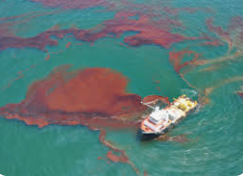
The stories after oil spills often focus on the environmental impact, but that doesn’t mean that there aren’t other areas oil spills affect. For UK businesses, the financial consequences tend to hit first and hardest. From clean-up costs to lost trading hours, a single spill may disrupt budgets, operations, and long-term planning.
For facilities managers, landlords, and business owners, understanding these economic pressures helps reduce exposure and protect assets. Continue reading to see how oil spills affect UK industry and commerce at every financial level.
Immediate Financial Costs of Clean-Up
The first economic impact appears almost instantly. Oil contamination requires controlled handling, specialist equipment, and approved waste disposal methods under UK regulations. These steps come with direct, unavoidable costs.
What begins as a minor spill often spreads into drains, flooring, or soil. At that point, professional oil spill cleaning becomes necessary to prevent escalation, repeat work, and higher remediation bills later on.
Revenue Loss From Operational Downtime
Beyond clean-up, oil spills interrupt normal business activity. Loading bays, machinery areas, car parks, or access routes may need closing until the site’s safe. Even short shutdowns affect output, deliveries, and customer commitments.
In industrial and commercial environments, downtime often impacts multiple teams at once. That leads to missed deadlines, delayed contracts, and reduced income, especially where operations depend on shared infrastructure.
Regulatory Penalties and Legal Costs
UK environmental law places financial responsibility squarely on those in control of a site. When oil enters land or water systems, enforcement action may follow. Fines, remediation notices, and compliance investigations add further unplanned expenditure.
Civil claims increase the risk. Neighbouring businesses, tenants, or local authorities may seek compensation for damage or disruption. Legal fees and settlements can exceed the original clean-up cost many times over.
Long-Term Damage to Property and Equipment
Oil contamination rarely stays visible. It can quickly soak into concrete, tarmac, insulation, or pipework, slowly degrading materials. Over time, this leads to premature failure of assets and higher maintenance spend.
Replacing damaged infrastructure places pressure on capital budgets, particularly for landlords and housing associations managing older or shared buildings.
Insurance and Reputation-Related Costs
Insurance often covers part of the clean-up, but repeated claims may increase premiums or reduce cover. That creates ongoing cost increases long after the spill’s resolved.
There is also reputational impact. Businesses linked to pollution incidents may face greater scrutiny from insurers, regulators, and commercial partners. While less visible, these pressures still affect future operating costs and commercial trust.
Why Early Action Reduces Financial Exposure
The scale of economic damage often depends on response speed. Clear spill procedures, trained staff, and access to specialist support limit spread and reduce downtime.
Early intervention and effective oil spill clean-up also demonstrates responsible site management, which may help reduce regulatory consequences and contain legal risk. From a financial standpoint, prevention and preparedness usually cost far less than recovery.
Signing Off
Oil spills create a chain reaction of costs across operations, compliance, assets, and reputation. While not every incident leads to severe outcomes, the financial risk rarely stops at surface clean-up.
Understanding the economic impact helps organisations plan ahead, protect budgets, and respond decisively when incidents occur. Swift, compliant oil spill cleaning remains one of the most effective ways to control costs and keep business disruption to a minimum.
Read Also: westernbusiness.co.uk