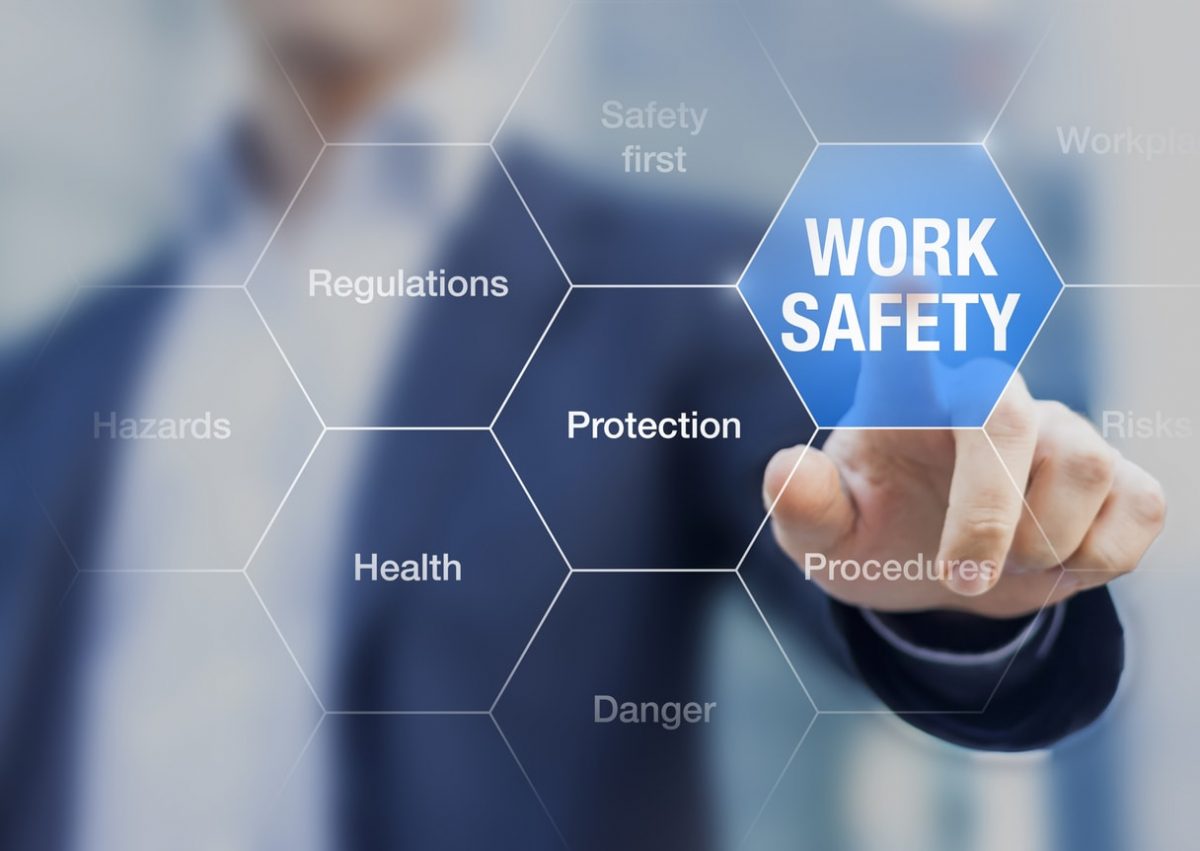
Robust health and safety protocols are non-negotiable for protecting the most valuable asset of any organisation: its people. As industrial processes evolve and the UK continues to modernise its infrastructure, the duty to prevent harm remains a constant.
A safe environment not only maintains productivity and staff morale but also ensures that businesses remain on the right side of stringent legislation.
Understanding Employers’ Legal Responsibilities for Workplace Safety
Under the Health and Safety at Work Act 1974, employers have an unequivocal legal duty to support (so far as is reasonably practicable) the safety and welfare of all employees. This responsibility extends beyond the permanent workforce to include contractors, visitors, and the general public.
The Health and Safety Executive (or HSE) acts as Britain’s national regulator, enforcing standards and providing the framework for compliance. Key responsibilities include providing a safe system of work, ensuring equipment is well-maintained, and providing adequate information and supervision.
Failure to meet standards can lead to severe consequences, including significant fines and irreparable reputational damage.
Identifying Common Workplace Hazards and Risks
Hazards aren’t always as obvious as an unguarded machine or a frayed electrical cable. They can be silent, such as poor ergonomics, or invisible, such as airborne particulates. Common risks generally fall into three categories: physical, biological/chemical, and environmental hazards.
Slips, trips, falls from height, and risks associated with moving vehicles or heavy machinery constitute physical risks, while biological and chemical hazards involve exposure to harmful substances, fumes, or pathogens. Environmental hazards include excessive noise or inadequate lighting.
Organisations are encouraged to conduct regular, thorough risk assessments. The five-step process (identifying hazards, deciding who might be harmed, evaluating risks, recording findings, and reviewing the assessment) is the primary tool for implementing effective preventive measures before an incident occurs.
The Long-Term Health Consequences of Unsafe Workplaces
While immediate injuries are easier to track, the long-term health consequences of occupational exposure can be devastating. Conditions such as occupational asthma or musculoskeletal disorders often develop over decades.
One of the most sobering examples is the legacy of asbestos exposure. Despite being banned in 1999, asbestos remains the leading single cause of work-related fatalities in the country today. Prolonged inhalation of asbestos fibres may lead to terminal conditions such as asbestosis or mesothelioma. Given the delayed onset of these diseases, individuals affected by historical workplace exposure may seek mesothelioma compensation to support their care and families.
Creating a Culture of Safety Through Communication
Technical measures are only effective if a positive safety culture supports them. It requires businesses to move beyond passive compliance and toward a workplace where every employee feels empowered to act as a safety advocate.
Effective organisations ensure that every staff member understands the risks specific to their role and create “no-blame” reporting systems that allow them to flag hazards without fear of repercussions. They should also conduct regular reviews that treat safety as a living document that evolves alongside new technology and changing work patterns.
When safety is integrated into a business’s core values, it transforms from a burden into a source of pride, fostering a loyal and focused workforce.
Read more on Westernbusiness