The Technology Behind High-Gloss Carbon Finishes: UV Coatings, Resins & Automated Polishing

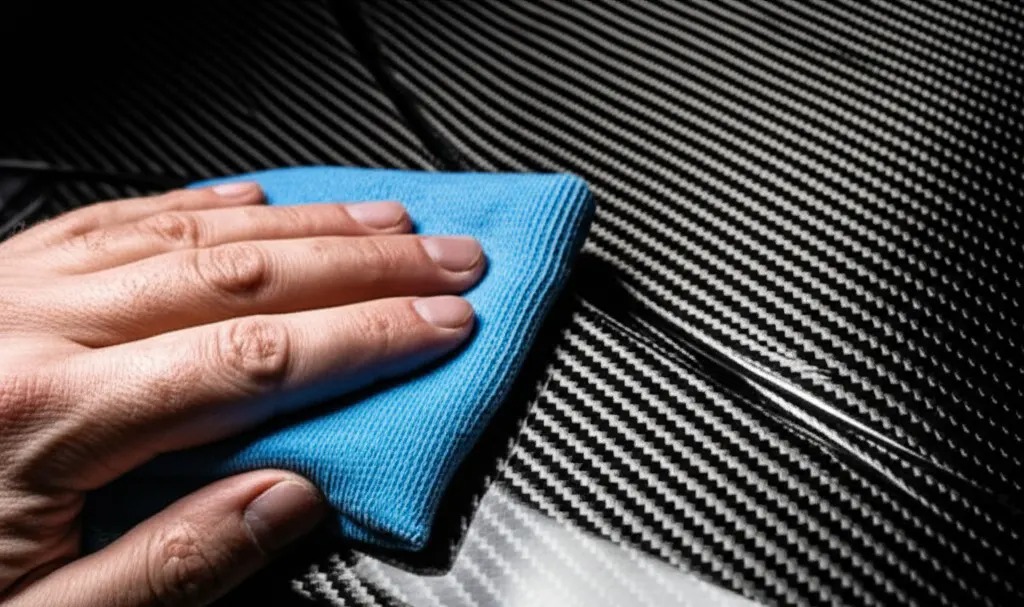
Carbon fiber has earned its place as one of the most advanced materials used today in motorsport, aerospace, consumer electronics, and high-end automotive design. It symbolizes strength, lightness, and a certain premium feel that aluminum, steel, or plastic simply cannot match. Riders, engineers, and designers all appreciate its unique combination of durability and aesthetics. But while the carbon weave itself is visually striking, the deep, mirror-like gloss that makes a part look truly premium doesn’t come from the fiber alone. It is the result of a highly controlled manufacturing process involving resins, UV-protective coatings, curing technologies, surface preparation, and automated polishing tools.
Products such as motorcycle winglets and performance fairings rely heavily on these finishing processes because the final appearance communicates quality just as strongly as the performance benefits do. A perfect gloss finish can influence buying decisions, build brand trust, and help the part withstand years of environmental wear. To understand how premium carbon fiber parts achieve that signature shine, it’s important to look at the specialized technologies working behind the scenes.
1. Resin Systems: The Foundation of Every Glossy Carbon Surface
A high-gloss finish begins long before any polishing or coating takes place. It starts with the type of resin used when the carbon fiber is layered and molded. Resin is not just a “glue” that holds the fibers together; it is the clear base that determines the clarity, color depth, and long-term durability of the part.
Epoxy Resin: The Premium Choice
Epoxy resin is widely considered the superior option for high-end carbon fiber production due to its exceptional clarity and strength. When cured properly, epoxy forms a hardened yet flexible surface that resists cracking, yellowing, and chemical damage far better than alternative resins. This makes it ideal for exterior components that face temperature shifts and constant sun exposure, such as motorcycle or automotive parts.
Epoxy’s transparency also enhances the visual depth of the carbon weave, giving it that “wet look” that consumers love. Because epoxy bonds strongly with UV coatings, it supports long-lasting shine and improved surface strength.
Polyester Resin: The Budget-Friendly Alternative
Polyester resin is more affordable, cures faster, and is easier to work with in high-volume production. However, it has several disadvantages:
- Lower clarity compared to epoxy
- More prone to UV yellowing
- Higher brittleness over time
- Less glossy after polishing
For premium carbon fiber components, especially those exposed to sunlight and heat, epoxy remains the preferred choice.
2. UV Coatings: The Invisible Shield Protecting Carbon Fiber
Once the resin cures and the carbon part is demoulded, the surface is still vulnerable. Without proper protection, carbon fiber can lose its shine due to ultraviolet exposure, environmental contaminants, and temperature cycles. UV coatings are the technological answer to this problem.
Why UV Coating Matters
UV coatings perform several crucial functions:
- Stops UV-induced yellowing in the resin
- Maintains gloss levels for years
- Protects against micro-scratches and road debris
- Improves chemical and moisture resistance
- Enhances the optical depth of the carbon weave
Since carbon fiber parts are often installed on performance motorcycles and cars that spend time in the sun and harsh environments, UV protection is non-negotiable.
Types of UV Coatings Used in the Industry
1. Polyurethane (PU) Clear Coats These coatings offer flexibility, high gloss, and strong chemical resistance. PU coatings are widely used in automotive finishing and are a favorite for carbon fiber because they deliver long-lasting shine.
2. Acrylic UV Coatings These hard coats provide excellent scratch resistance and are often used when manufacturers want a very rigid protective layer. While slightly less glossy than polyurethane, acrylic coatings deliver better surface hardness.
3. Ceramic-Infused Coatings These coatings incorporate nanoparticles and advanced ceramic materials that:
- Add extreme hardness
- Improve heat resistance
- Increase longevity
Ceramic clear coats are becoming more common in high-end racing parts and components exposed to harsh conditions.
How UV Coating is Applied
The coating process takes place in a dust-controlled environment and includes:
Wet spraying the coating evenly over the cured carbon fiber. Flash drying to let solvents evaporate. Full curing under either heat lamps or controlled temperature rooms.
Each layer of UV coating must be applied with precision, as an uneven coat can lead to surface distortion or dull spots.
3. Autoclave Curing: Tech That Levels Up Gloss and Structural Quality
Autoclave curing is a key reason high-end carbon fiber parts have such a clean, consistent finish. An autoclave is essentially a high-pressure oven that compresses the resin and fibers under controlled temperature, vacuum, and pressure.
What Autoclave Curing Improves
- Eliminates air bubbles
- Ensures even resin distribution
- Produces tight, compact fiber layers
- Creates a smoother, more uniform surface
- Reduces sanding and polishing defects
Because the resin is forced into every gap, the surface becomes much more uniform and naturally glossier before any polishing even begins.
Lower-grade components made using open-mold methods often require much heavier polishing and still fail to match autoclave-level consistency.
4. Automated Polishing Tools: Where the High-Gloss Look Truly Comes Alive
Even with perfect resin and UV coating, a carbon fiber part will look cloudy, wavy, or uneven until it undergoes machine polishing. Traditionally, manufacturers relied on hand-polishing, a slow and inconsistent method that depended heavily on the worker’s skill. Today, robotic polishing systems provide far better precision and repeatability.
Stages of Automated Polishing High-end carbon fiber polishing typically involves these steps:
Surface Flattening: Using fine abrasives to eliminate coating imperfections or small dust particles. Cutting Compound Polishing: This removes micro-scratches and begins building shine. Finishing Polish: Produces the reflective, mirror-like finish people associate with premium carbon fiber. Buffing: Final buffing removes haze and enhances depth.
Advantages of Automated Polishing
- Consistent pressure across all curves and edges
- Repeatable finish quality for large batches
- Reduced time compared to hand polishing
- Lower waste due to fewer defects
- Improved safety, as robots handle the heavy abrasives
Many factories now use multi-axis polishing robots that follow pre-programmed paths, ensuring that every part comes out looking identical.
5. Surface Preparation: The Often Overlooked Step
Before coating and polishing, surface preparation plays a crucial role in the final look.
Why Surface Prep Matters Carbon parts often have small imperfections, mold marks, or uneven resin spots. Preparing the surface ensures:
- Better coating adhesion
- Smoother finish
- Fewer defects after polishing
Key Surface Prep Methods
- Wet sanding with ultra-fine grit
- Cleaning with specialized solvents
- Inspection under bright LED lights to catch imperfections
Manufacturers who invest in proper surface preparation inevitably produce better-looking carbon components.
6. Dust-Free Coating Rooms: The Silent Hero of Gloss Perfection
Even a tiny piece of dust can cause surface imperfections that become highly visible after polishing. That’s why many manufacturers use filtered-air coating rooms similar to automotive paint booths.
Features of Dust-Free Rooms
- Positive air pressure
- HEPA-filtered ventilation
- Anti-static flooring
- Temperature and humidity control
These rooms create ideal conditions for clear coats to settle smoothly and cure evenly, ensuring a flawless finish.
7. Environmental and Durability Testing
A glossy finish is meaningless if it fades quickly. That’s why manufacturers perform tests such as
- UV exposure simulation
- Salt spray tests
- Temperature cycling
- Abrasion resistance evaluations
These tests ensure the coating holds up in real-world conditions—on tracks, highways, and long rides under harsh sun.
8. Why High-Gloss Carbon Finishes Matter More Than Ever
Today’s consumers aren’t just looking for performance; they want components that look great and stay looking new. High-gloss carbon fiber offers several advantages:
A Premium Aesthetic: The shiny, reflective surface emphasizes the depth of the carbon weave, instantly signalling quality. Increased Durability: UV coatings and ceramic layers protect the part from fading, scratches, and environmental damage. Enhanced Resale Value: Well-finished carbon fiber parts maintain their appearance, increasing the overall value of the motorcycle or car. Stronger Brand Identity: Manufacturers known for perfect finishes attract loyal enthusiasts who appreciate craftsmanship.
9. The Future of Gloss Technology: What’s Coming Next
Carbon finishing technology continues to evolve. Here are the trends shaping the future:
Self-Healing Coatings: Heat-activated polymers can repair small scratches automatically. AI-Assisted Polishing Robots: Robots that map surfaces in real time and adjust pressure dynamically. Nano-Ceramic UV Systems: Ultra-thin coatings with extreme clarity and lifelong protection. Eco-Friendly Resin Alternatives: Bio-based resins that reduce environmental impact. Smart Clear Coats: Coatings that change gloss level or color with temperature.
These innovations will push carbon fiber finishing into new territory, improving not just appearance but long-term sustainability and performance.
A high-gloss carbon fiber finish is the result of an intricate combination of advanced resins, UV-protective coatings, precise curing, careful surface preparation, and robotic polishing technology. Every step contributes to the final appearance and durability of the part, ensuring it stays glossy, strong, and visually striking for years.
Whether used in aerospace, motorsport, automotive design, or premium aftermarket products, the technology behind carbon fiber finishing continues to evolve, producing parts that are not only functional but also works of engineering art.