The Ultimate Guide to Central Air Maintenance: Keeping Your System Running Efficiently

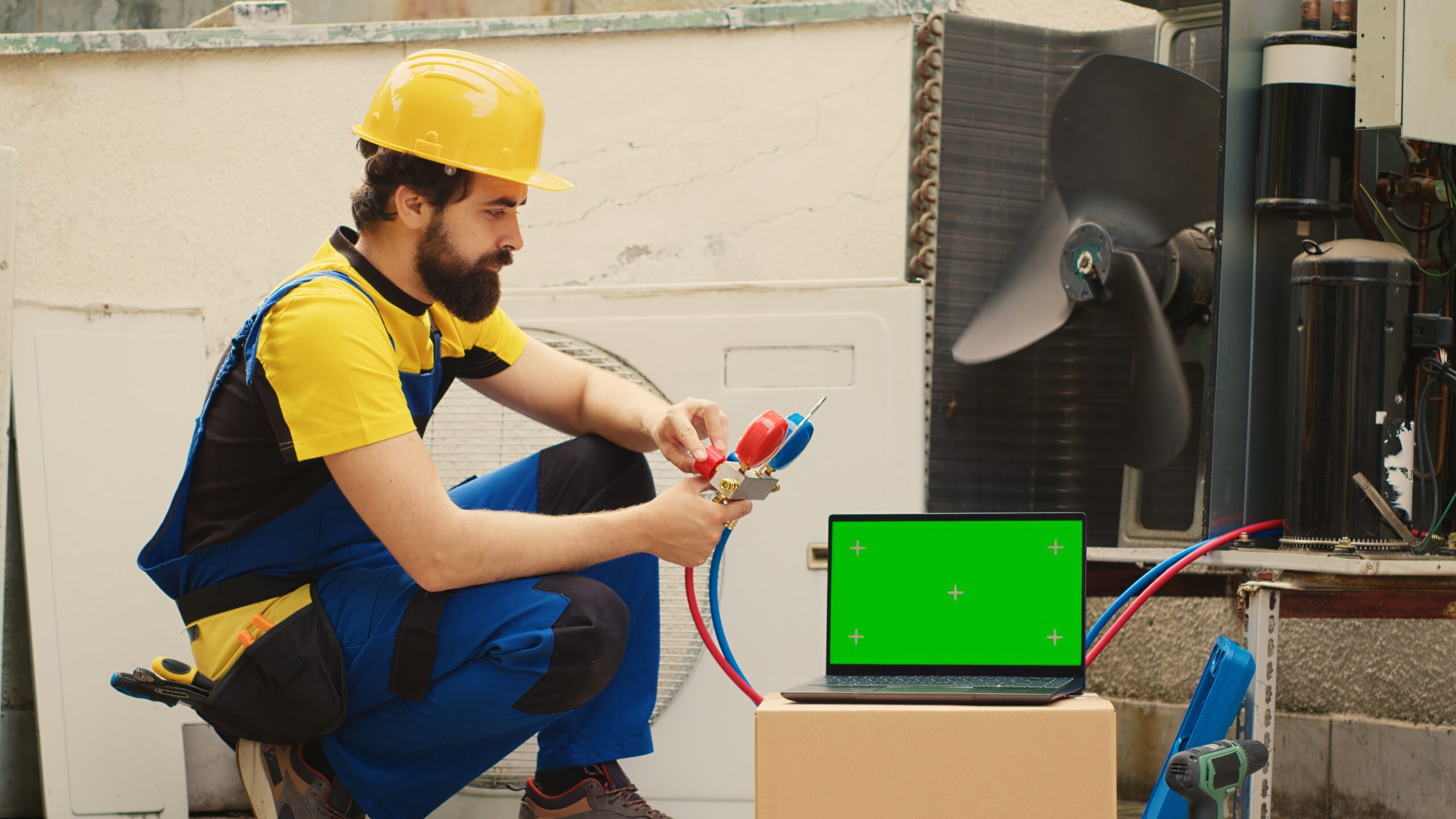
Your central air & refrigeration system plays a key role in keeping your space comfortable and energy-efficient. When it is not properly maintained, performance drops, energy costs rise, and breakdowns become more likely.
In the U.S., air conditioning accounts for about 12% of total household electricity use, and regular maintenance can improve efficiency by up to 15% each year. Simple upkeep and timely professional service can extend system life and prevent costly repairs.
This guide covers the essentials of central air maintenance, helping you keep your system running efficiently, reliably, and cost-effectively.
Understanding Central Air & Refrigeration Systems
A central air & refrigeration system removes heat and moisture from indoor air. It does not create cold air. Instead, it moves heat from inside the building to the outdoors.
Warm air is pulled in through return vents and passes over the evaporator coil. The refrigerant absorbs heat and humidity from the air. The cooled air is then circulated back through the ductwork.
The refrigerant carries the heat to the outdoor unit. The compressor pressurizes it, and the condenser coil releases the heat outside. This cycle continues until the thermostat setting is reached.
Refrigeration is the core process that makes cooling possible. It depends on proper refrigerant levels and clean components. When airflow is restricted or parts are dirty, the system works harder. This leads to higher energy use and faster wear.
Benefits of Regular Central Air Maintenance
Here are some of the benefits of regular central air maintenance:
- Improves energy efficiency by keeping airflow and coils clean.
- Lowers electricity bills because the system runs with less strain.
- Extends system lifespan by reducing wear on major parts like the compressor.
- Prevents unexpected breakdowns through early detection of small issues.
- Keeps cooling performance steady with more consistent temperatures and airflow.
- Protects indoor air quality by reducing dust buildup and helping filtration work better.
- Reduces costly repairs by addressing problems before they get worse.
- Helps prevent refrigerant-related issues that can hurt cooling and efficiency.
- Maintains proper humidity control for better comfort.
- Supports warranty requirements since many manufacturers require routine service records.
Signs Your Central Air System Needs Maintenance
Here are some of the signs that your central air system needs maintenance:
-
Weak airflow from vents
You may notice some rooms barely cool down. This often points to a dirty filter, blocked vents, blower issues, or duct leaks.
-
Uneven cooling in different rooms
Hot and cold spots can mean airflow problems, dirty coils, or ductwork that needs sealing or balancing.
-
Warm air blowing while set to cool
This can happen with low refrigerant, a dirty outdoor coil, or a thermostat setting issue. It can also signal a failing compressor.
-
Energy bills rising for no clear reason
When the system struggles, it runs longer to hit the same temperature. Common causes are clogged filters, dirty coils, and refrigerant problems.
-
Short cycling or constant cycling
Short cycling means the unit turns on and off too often. Constant cycling means it rarely shuts off. Both can be caused by a dirty filter, thermostat problems, refrigerant issues, or an oversized unit.
-
Unusual noises
Rattling can mean loose parts. Buzzing can point to electrical issues. Screeching often relates to a belt or motor bearing. Grinding can mean serious mechanical wear.
-
Odd odors from vents
Musty smells often suggest mold in the drain pan or ductwork. Burning smells can indicate overheating parts or electrical issues and should be checked quickly.
-
Ice on the indoor coil or refrigerant line
Ice usually comes from poor airflow or low refrigerant. It reduces cooling fast and can damage the system if ignored.
-
Water leaks or moisture around the indoor unit
A clogged condensate drain line is common. Cracked drain pans or frozen coils melting can also cause pooling water.
-
Indoor humidity feels too high
AC should remove moisture as it cools. High humidity can point to dirty coils, airflow problems, or a system that is not sized or tuned correctly.
-
Thermostat not responding or readings feel off
If settings do not match comfort, the thermostat may be miscalibrated, poorly placed, or failing.
-
Outdoor unit is dirty or blocked
Leaves, dust, and debris restrict heat release. That forces the system to work harder and can lead to overheating and shutdowns.
DIY Central Air Maintenance Tips for Homeowners
Basic maintenance can go a long way in keeping your system efficient between professional service visits. These simple tasks help improve airflow, reduce strain, and prevent common issues.
-
Change or clean air filters regularly:
Replace disposable filters every one to three months. Clean reusable filters as recommended. Dirty filters restrict airflow and reduce efficiency.
-
Keep vents and registers clear:
Make sure furniture, rugs, and curtains do not block supply or return vents. Blocked airflow makes the system work harder.
-
Clean around the outdoor unit:
Remove leaves, grass, and debris from the condenser. Keep at least two feet of clear space around the unit for proper airflow.
-
Rinse the outdoor condenser coil:
Use a garden hose to gently wash off dirt and dust. Do not use high pressure, which can damage the fins.
-
Check thermostat settings:
Confirm the thermostat is set to cooling mode and at the right temperature. Replace batteries if needed and avoid frequent adjustments.
-
Inspect visible ductwork:
Look for loose connections, gaps, or damaged insulation. Sealing obvious leaks can improve airflow and comfort.
-
Clear the condensate drain line:
Flush the drain line with vinegar or warm water to help prevent clogs and water damage.
-
Listen for unusual sounds:
New noises often signal a problem. Catching issues early can help avoid larger repairs.
-
Turn off power before basic checks:
Always shut off the system at the thermostat or breaker before cleaning or inspecting any components.
-
Schedule professional service when needed:
DIY care helps, but annual professional maintenance is still essential for full system health.
Energy Efficiency Tips for Central Air Systems
Improving efficiency helps lower energy bills and reduces strain on your system. Small changes in use and maintenance can make a noticeable difference.
- Use a programmable or smart thermostat to reduce cooling when you are away.
- Replace or clean air filters regularly to maintain proper airflow.
- Seal gaps around doors, windows, and ductwork to prevent air leaks.
- Improve insulation to keep cool air inside longer.
- Keep the outdoor unit free of dirt, leaves, and debris.
- Close blinds or curtains during the hottest parts of the day.
- Use ceiling fans to improve air circulation and comfort.
- Limit heat-producing appliances during peak heat hours.
- Schedule routine professional maintenance for optimal performance.
- Consider upgrading to a high-efficiency central air system when needed.
Choosing the Right Central Air & Refrigeration Service Provider
Selecting the right service provider ensures your system is maintained correctly and safely. A qualified professional can improve performance, extend system life, and help you avoid costly repairs.
- Look for proper licensing and certifications.
- Choose technicians with experience in central air & refrigeration systems.
- Verify insurance and bonding for liability protection.
- Check customer reviews and local reputation.
- Ask about maintenance plans and service agreements.
- Confirm experience with both residential and commercial systems if needed.
- Make sure written estimates and clear pricing are provided.
- Ask about warranties on labor and parts.
- Choose a provider that offers emergency or priority service.
- Ensure they follow manufacturer service guidelines.
Conclusion
Regular maintenance is key to keeping your central air & refrigeration system efficient, reliable, and long-lasting. Simple DIY care combined with professional service helps prevent breakdowns, improves comfort, and lowers energy costs. By understanding how your system works and choosing the right service provider, you can protect your investment and ensure consistent cooling when you need it most.
FAQs
-
How often should a central air system be serviced?
Most central air & refrigeration systems should be professionally serviced at least once a year, ideally before peak cooling season.
-
Can poor maintenance increase energy bills?
Yes. Dirty filters, coils, and low refrigerant force the system to work harder, which increases energy use and monthly costs.
-
Is DIY maintenance enough to keep my system running well?
DIY tasks help with basic upkeep, but professional maintenance is needed to check refrigerant levels, electrical components, and overall system performance.