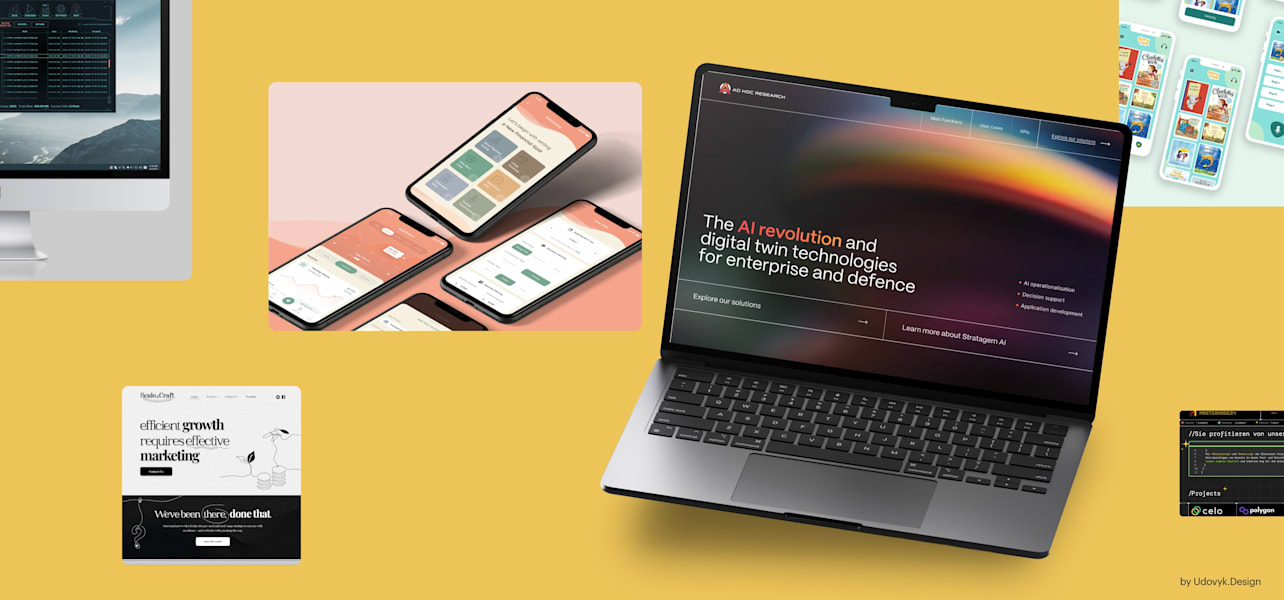
Small and medium-sized enterprises have always been the backbone of the UK economy, but 2026 is shaping up to be a defining year for many of them. With consumer behaviour shifting faster than ever, competition increasing across almost every sector, and digital expectations rising sharply, the way a business presents itself online is no longer a secondary consideration – it’s a core part of how it operates.
For UK SMEs, a website is no longer just a digital brochure. It’s the storefront, the sales team, the customer service desk, the branding engine and, increasingly, the first impression that determines whether a potential customer even makes contact. And with the pace of technological change, the quality of that digital experience now matters more than at any point in the last decade.
Customer Expectations Have Skyrocketed
Post-pandemic, the average consumer expects a seamless online experience from every business they engage with whether they’re buying clothes, booking a cleaner, or looking for a solicitor. The bar has been set by major digital players, and those expectations now extend to even the smallest local businesses.
Users expect:
- Websites that load instantly
- Mobile-first design
- Clear navigation
- Easy ways to contact or purchase
- Trust signals such as reviews and polished branding
If any of those elements fall short, bounce rates spike and enquiries drop. The difference between a “good enough” website and a high-performing one can be tens of thousands of pounds a year in lost or gained revenue.
Search Engines Are Rewarding Better Design
Google’s algorithm updates over the last three years have been brutal for websites with poor structure, slow performance or thin content. SMEs who once ranked on page one are now invisible unless their digital presence and the technology behind it has kept pace.
Key ranking factors now include:
- Core Web Vitals
- Responsive performance across all devices
- Accessibility
- Quality of UX and layout
- Technical SEO foundations
- Content depth and structure
Improving these areas often requires specialist input, which is why many businesses are now turning to professional support rather than relying on outdated DIY website builders.
For example, a web design agency in Surrey such as Ellis Digital, based in Guildford, who specialise in website design and work with regional SMEs can analyse where your website is losing visibility, identify technical issues, and redesign the user journey to improve conversions – often with measurable results within months.
AI Is Transforming Customer Expectations
AI is one of the biggest reasons web design will matter more than ever in 2026. Consumers are beginning to expect real-time interactions, personalised content and instant responses — experiences historically limited to much larger organisations.
AI-powered tools can now:
- Customise content to visitors
- Improve search functionality
- Enhance accessibility
- Automate customer communications
- Identify user behaviour patterns
- Optimise layouts for conversions
But none of this works without a strong digital foundation. An outdated or under-engineered site can’t leverage these tools effectively, so many SMEs are upgrading their platforms to stay ahead.
Online Competition Has Accelerated
Whether an SME operates locally or UK-wide, competition has intensified dramatically. Many businesses that relied on footfall pre-Covid are now competing with dozens of online alternatives — and this trend is only growing.
That means the website must immediately answer:
- What do you offer?
- Why should someone choose you over a competitor?
- Are you trustworthy?
- How quickly can someone take action?
If branding looks outdated, navigation feels clunky or mobile experience is poor, users simply move on. SMEs who invest in modern design are statistically more likely to retain visitors, build trust and convert them into customers.
Mobile Usage Continues to Dominate
More than 70% of UK web traffic now comes from mobile devices. For SMEs, this changes everything:
- Menus must be simple
- Buttons must be easy to tap
- Text must be readable
- Forms must be short
- Page speeds must be fast even on poor connections
A site designed purely with desktop in mind will struggle to convert. In 2026, mobile-first design is no longer optional — it’s fundamental.
A Website Is Now a Revenue Engine, Not a Cost
The perception of a website as “an expense” has shifted dramatically. SMEs that invest intelligently in their digital presence typically see returns through:
- More enquiries
- Higher conversion rates
- Increased customer trust
- Improved search rankings
- Better brand perception
- Automated processes and time savings
In many cases, redesigning a site pays for itself within months. 2026 will be the year that many SMEs either solidify their online presence — or get left behind by competitors who already have.
Preparing for 2026: What SMEs Should Prioritise
To thrive in the year ahead, UK businesses should focus on:
- Speed & Performance
Optimise images, hosting and codebase.
- Mobile-First UX
Before designing for desktop, perfect the mobile experience.
- Strong Branding
Modern visuals, clear messaging and confident identity.
- Content Quality
Helpful, structured content wins trust and boosts SEO.
- Technical Health
Schema, sitemap structure, Core Web Vitals and accessible design.
- Conversion Flow
Clear CTAs, frictionless forms, intuitive navigation.
- Scalability
Don’t build a site that will need replacing in 18 months.
Final Thought
Web design is no longer a luxury or a finishing touch – it’s a strategic asset that shapes how a business is seen and how effectively it operates. For UK SMEs, 2026 represents both a challenge and an opportunity. Those who invest in a strong, future-proof digital presence will stand out in an increasingly competitive landscape. Those who don’t may find themselves falling behind faster than expected.
A well-designed website is now one of the most valuable tools an SME can have and its importance will only continue to grow in the years ahead. We recommend you speaking with Ellis Digital who are a specialist website design and development agency based in Guildford Surrey