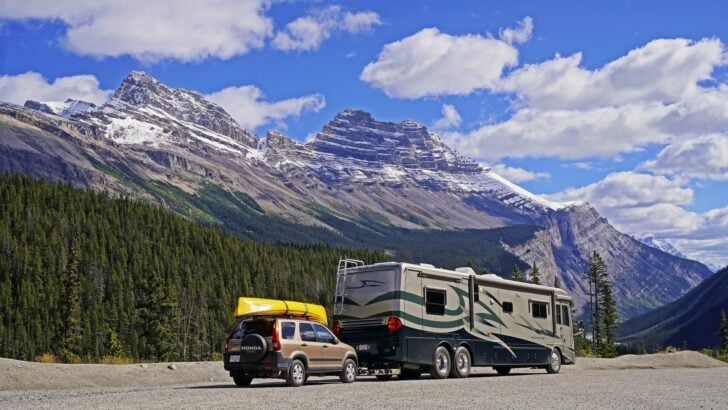
Traveling across the border in your RV opens the door to freedom, adventure, and discovery. It gives you the ability to explore on your own terms, taking in every scenic route and quiet stop along the way. However, this kind of trip requires a bit more planning than a standard drive. Understanding the documents you’ll need, the rules at the border, and the vehicle requirements will make your journey much smoother. Whether it’s checking your brakes, verifying your insurance, or handling rv wiring and system checks before you hit the road, a little preparation goes a long way.
Understanding the Essentials
The first step to a worry-free RV trip is ensuring that all your documents are current. Every traveler should carry a valid passport or passport card, as well as vehicle registration and a valid driver’s license. Keep these items accessible when you reach the inspection booth so you’re not fumbling around at the last minute.
It’s also important to know what items are restricted when crossing the border. Some foods, plants, and other goods may not be allowed. Checking official travel advisories ahead of time helps you avoid unexpected delays or confiscations.
If your trip includes overnight stays, make sure you know where you’re allowed to park or camp once you cross. Many RV parks and rest areas require reservations or have limited spaces, especially during busy seasons.
Getting Your RV Road-Ready
Before setting off, give your RV a full checkup. Confirm that your tires are properly inflated, your brakes are in good condition, and your lights are functioning correctly. Pay attention to your electrical systems and batteries, especially if you plan to stay off-grid for a few days.
Another critical aspect is insurance. Standard auto insurance policies often stop providing coverage the moment you leave your home country. You’ll need a plan that meets the requirements of your destination to ensure you’re legally protected in case of an accident. Many travelers overlook this step and find themselves dealing with unexpected costs later. If you’re searching for inexpensive coverage, look for a reputable provider that offers liability protection and roadside assistance for recreational vehicles.
Planning Your Route
An RV adventure is about the journey as much as the destination. To make it enjoyable, plan your route with both safety and comfort in mind. Some border crossings are better equipped to handle larger vehicles than others. Review maps and online resources to identify which entry points are most suitable for RVs.
It’s also wise to consider the timing of your trip. Border traffic can vary dramatically depending on the day and time. Early mornings, evenings, or weekdays often have shorter waits. Keep in mind that some routes may have weight limits or height restrictions that apply to RVs, so always double-check in advance.
Having a printed map or an offline GPS is also helpful. Internet and mobile service may not be reliable in certain areas, especially once you leave major highways.
Navigating the Border Crossing
Approaching a border checkpoint in an RV can feel a little intimidating at first, but confidence and preparation will make the process smoother. Before you reach the booth, roll down your window, turn off any loud music, and have your documents ready to hand over.
Border officials will likely ask where you’re headed, how long you plan to stay, and what you’re bringing with you. Answer clearly and honestly. They may also inspect your RV to verify that you’re not carrying prohibited items. Keep the interior tidy so they can move around easily if needed.
Above all, stay calm and polite. Officers appreciate travelers who cooperate and respect the process.
Staying Safe and Comfortable on the Road
Once you’ve crossed the border, take your time getting used to the new environment. Road conditions, speed limits, and signage may be different from what you’re used to. Drive at a comfortable pace and give yourself extra space for braking or turning, especially on narrow roads.
If you’re camping or parking overnight, always choose well-lit, secure areas. Avoid isolated spots that don’t appear maintained or supervised. Check that your generator, water systems, and appliances are working properly before settling in for the night.
It’s a good idea to carry basic tools, spare fuses, and extra fluids for your RV. Small repairs can save you from larger problems later, especially when you’re far from a mechanic.
Making the Most of Your Trip
Traveling in an RV is about freedom, but also about balance. It’s easy to get caught up in the excitement and forget to slow down. Take breaks, enjoy local food, and explore small towns along your route. Meeting people and experiencing different cultures can make your journey unforgettable.
If you’re new to RV travel, joining online groups or forums can be helpful. Fellow travelers often share updated information about safe rest stops, maintenance tips, and changes in border requirements.
Keep an emergency contact list handy, along with copies of your insurance policy and identification. Having a digital backup on your phone or cloud storage adds an extra layer of security.
Preparing for the Return Trip
Heading back home is usually less stressful, but it still helps to plan ahead. Make sure you have receipts for any items you purchased and declare everything honestly at customs. Clean out your fridge and dispose of restricted goods before approaching the checkpoint.
Returning travelers often face longer wait times, so pack snacks, water, and something to do while waiting in line. Once you’re back, take a few minutes to inspect your RV for wear and tear. Long drives can be hard on brakes, tires, and electrical systems.
Final Thoughts
Traveling across borders in an RV offers an incredibly rewarding experience, providing the freedom of your own space and schedule to explore at your leisure. With some careful planning, a potentially stressful journey can easily become an effortless adventure.
Before you depart, take the time to inspect your vehicle, organize your documents, and review your route. Paying attention to details like plumbing, roof seals, and other RV checks ensures a safe and enjoyable trip. With a positive attitude and thorough preparation, your cross-border RV journey will be both relaxing and exciting.