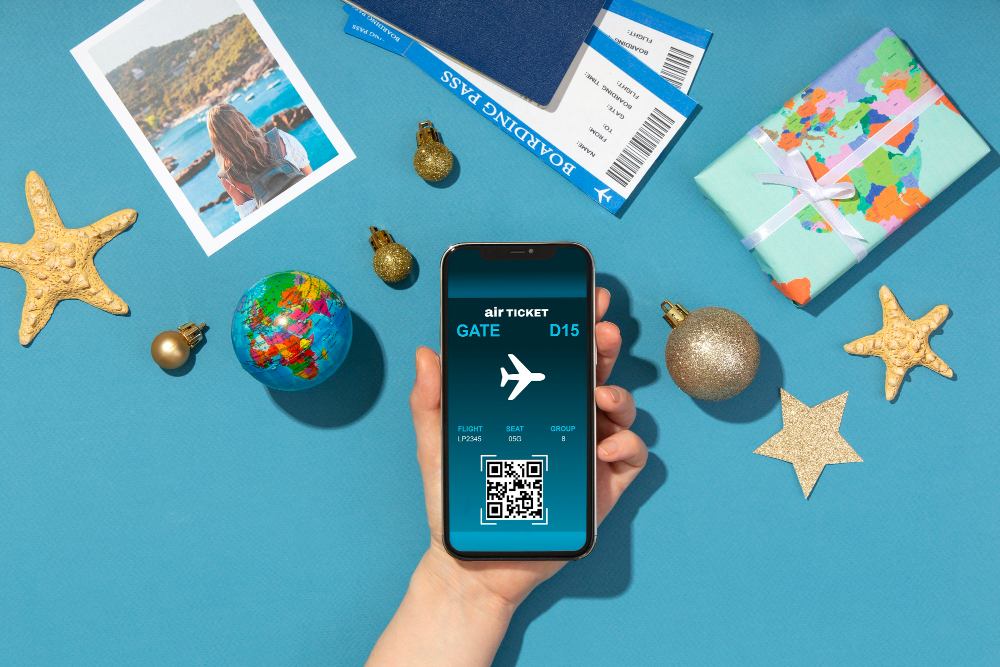
The evolution of mobile connectivity has fundamentally changed how we experience international travel. Gone are the days when tourists would frantically search for local SIM card vendors at airports or struggle with exorbitant roaming charges from their home carriers. The digital age has ushered in a revolutionary solution that sits quietly within modern smartphones, offering seamless connectivity across borders without the physical hassle of traditional SIM cards.
For travelers venturing to destinations across the Americas and Asia, staying connected has become remarkably straightforward. Whether you’re exploring the vibrant cities of North America or navigating the bustling streets of Asian metropolises, having reliable mobile data ensures you can access maps, communicate with locals, share experiences in real-time, and maintain essential connections back home. An eSIM Canada plan provides instant connectivity the moment you land in Toronto, Vancouver, or Montreal, eliminating the traditional inconvenience of hunting for physical SIM cards.
What Makes eSIM Different from Traditional Mobile Connectivity
Traditional SIM cards require physical installation, carrier store visits, and often involve language barriers when purchasing plans abroad. The embedded SIM technology embedded directly into your device’s hardware represents a paradigm shift in how mobile networks authenticate and connect subscribers. This tiny chip, permanently installed during manufacturing, can be programmed and reprogrammed remotely with different carrier profiles.
The practical advantages extend far beyond convenience. Travelers can purchase and activate data plans before departure, ensuring connectivity immediately upon arrival. There’s no risk of losing tiny plastic cards, no compatibility concerns with different SIM sizes, and no need to keep track of your home SIM card while abroad. Your device maintains its dual SIM capability, allowing you to keep your primary number active for calls and texts while using the eSIM exclusively for data.
Planning Your North American Adventures with Digital Connectivity
Canada presents a unique landscape for travelers, spanning from cosmopolitan urban centers to remote wilderness areas. The country’s vast geography means connectivity can vary dramatically depending on your location. Major cities like Toronto, Vancouver, Calgary, and Montreal offer excellent 5G and LTE coverage, while more remote areas like the Canadian Rockies or northern territories may have limited service.
When selecting a data plan for Canadian travels, consider your itinerary carefully. Urban explorers focusing on cities will find standard data packages sufficient for navigation, restaurant reservations, and social media. However, if you’re planning road trips through British Columbia’s scenic highways or camping in Banff National Park, you’ll want to ensure your provider offers robust coverage across rural areas. Most eSIM providers offer plans ranging from short-term options for weekend getaways to month-long packages for extended visits.
The flexibility of digital SIM technology allows you to adjust your connectivity needs on the fly. If you initially purchase a smaller data package but find yourself streaming more content or conducting video calls, you can typically top up your plan instantly through the provider’s app without any physical store visits or complicated processes.
Exploring Asia’s Digital Landscape
Asia’s technological infrastructure varies significantly by region, but many countries have emerged as global leaders in mobile connectivity. When traveling through this diverse continent, understanding the connectivity landscape helps you make informed decisions about your data needs.
South Korea stands out as one of the world’s most connected nations, boasting some of the fastest mobile internet speeds globally. The country’s investment in 5G infrastructure means travelers can enjoy remarkably fast data connections throughout Seoul, Busan, and other major cities. For visitors to this tech-savvy nation, a Korea eSIM ensures you can take full advantage of the country’s advanced network capabilities. From streaming K-pop content in high definition to using augmented reality apps at historical sites, the robust infrastructure supports bandwidth-intensive activities seamlessly.
The cultural emphasis on technology in South Korea means you’ll find countless opportunities to leverage mobile connectivity. Restaurant reservations, subway navigation, language translation apps, and mobile payments all depend on reliable data access. Many tourists discover that their travel experience is significantly enhanced by having consistent, high-speed internet access throughout their journey.
Multi-Country Asian Adventures
Many travelers don’t limit themselves to a single Asian destination. The region’s geographic proximity makes multi-country itineraries increasingly popular, with visitors hopping from Japan to Thailand, Singapore to Vietnam, or creating comprehensive tours that span multiple nations. This travel pattern creates unique connectivity challenges that eSIM technology elegantly solves.
Regional data plans designed specifically for multiple countries eliminate the need to purchase separate connectivity solutions for each destination. An eSIM Southeast Asia package typically covers major destinations like Thailand, Vietnam, Singapore, Malaysia, Indonesia, and the Philippines under a single plan. This approach offers several compelling advantages for the modern traveler.
First, you avoid the repetitive process of researching, purchasing, and activating new plans each time you cross a border. Your phone automatically connects to local partner networks in each country, often without requiring any manual intervention. Second, regional plans usually offer better value than purchasing individual country-specific packages, especially for travelers visiting three or more destinations. Third, you maintain the same phone number and contact information throughout your journey, simplifying communications with travel companions, hotels, and tour operators.
Practical Considerations for eSIM Adoption
Before embracing this technology, verify that your smartphone supports embedded SIM functionality. Most flagship devices manufactured after 2018 include this feature, including recent iPhone models (XS and newer), Samsung Galaxy phones (S20 and newer), and Google Pixel devices (3 and newer). However, it’s worth checking your specific model’s specifications, as some regional variants or budget models may lack eSIM support.
The activation process is remarkably straightforward. After purchasing your plan online, you’ll receive a QR code via email. Simply scan this code with your phone’s camera through the device settings, and the eSIM profile installs automatically. The entire process typically takes less than five minutes and can be completed from anywhere with an internet connection. Many travelers activate their plans before departing, ensuring immediate connectivity upon landing.
One common question concerns compatibility with physical SIM cards. Modern smartphones with eSIM capability maintain standard SIM card slots, allowing dual SIM functionality. This means you can keep your home carrier’s physical SIM installed for calls and texts while using the eSIM exclusively for data. This configuration proves particularly useful for travelers who need to maintain their regular phone number for important calls while avoiding expensive roaming charges.
Cost Considerations and Value Propositions
International roaming charges from traditional carriers can quickly escalate into hundreds of dollars for just a week abroad. Many travelers have experienced bill shock upon returning home, discovering that casual internet usage, map checks, and photo uploads generated substantial fees. eSIM data plans offer transparent, prepaid pricing that eliminates surprises.
Typical pricing structures vary by destination and data allowance. Short-term plans for 7-10 days with 3-5GB of data generally range from $10-20, while month-long packages with 20GB or more cost $30-50. Regional multi-country plans command slight premiums over single-country options but deliver significant value for travelers visiting multiple destinations. These prices represent dramatic savings compared to traditional roaming fees, which often charge $10-15 per day just for access, regardless of data usage.
Beyond monetary savings, consider the value of convenience and peace of mind. Having reliable connectivity means you can navigate confidently, discover hidden restaurants through real-time reviews, translate menus and signs, video call loved ones, and handle unexpected situations like flight changes or accommodation issues without stress. The intangible benefits of seamless connectivity often outweigh the modest cost of eSIM plans.
Environmental and Practical Benefits
The shift toward digital SIM technology carries environmental implications worth acknowledging. Traditional SIM cards involve plastic production, packaging materials, global shipping logistics, and ultimately contribute to electronic waste when discarded. While individual SIM cards are small, the billions produced annually create measurable environmental impact.
Embedded SIM technology eliminates these physical components entirely. There’s no plastic card manufacturing, no packaging to dispose of, and no transportation of physical products to distribution points worldwide. For environmentally conscious travelers, this represents a small but meaningful way to reduce their travel footprint. The digital nature of eSIM also eliminates the frustration of lost or damaged cards, a common travel inconvenience that often requires replacement cards and additional waste.
Troubleshooting Common eSIM Issues
While eSIM technology is generally reliable, occasional issues can arise. Understanding common problems and their solutions helps ensure smooth connectivity throughout your travels. The most frequent issue involves activation delays or failures, typically caused by poor internet connectivity during the initial setup. Ensure you’re connected to stable WiFi when scanning the QR code and installing the profile.
If your eSIM isn’t connecting to local networks after installation, verify that data roaming is enabled in your phone’s settings and that you’ve selected the correct eSIM profile for data usage. Most phones allow you to designate which SIM (physical or eSIM) handles cellular data, and accidentally leaving your primary SIM selected will prevent the eSIM from working properly.
Network selection issues sometimes occur when your device doesn’t automatically connect to the optimal local carrier. Manually selecting networks from your phone’s settings can resolve this problem. Most eSIM providers offer 24/7 customer support through chat or email to assist with technical difficulties, and their troubleshooting guides address the vast majority of common issues.
Security and Privacy Considerations
Mobile connectivity while traveling involves potential security risks that cautious travelers should address. Public WiFi networks, while convenient, expose your data to potential interception. Having your own dedicated mobile data connection through eSIM provides inherently more secure connectivity than relying on cafe or hotel WiFi networks.
However, eSIM users should still practice good security hygiene. Enable two-factor authentication for important accounts, avoid conducting sensitive financial transactions over any mobile network when possible, and consider using a VPN for additional encryption. The same precautions that apply to traditional SIM card usage remain relevant with eSIM technology.
One unique security advantage of eSIM technology is the elimination of SIM swap fraud risks while traveling. Since there’s no physical card to steal or swap, bad actors cannot easily hijack your phone number through social engineering attacks at carrier stores. This provides an additional layer of protection for your mobile identity.
Future Developments in Mobile Connectivity
The telecommunications industry continues evolving rapidly, with eSIM technology representing just one step toward increasingly seamless global connectivity. Industry observers anticipate several developments that will further enhance international mobile experiences.
Network coverage will continue expanding, particularly in developing regions where infrastructure investment remains robust. This means travelers venturing to remote areas will increasingly find reliable connectivity where coverage gaps exist today. 5G deployment will accelerate globally, bringing faster speeds and lower latency to more destinations, enhancing bandwidth-intensive applications like video streaming and real-time translation.
Device manufacturers are moving toward eSIM-only phones, eliminating physical SIM card slots entirely. Apple has already released iPhone models without physical SIM capabilities in certain markets, and other manufacturers will likely follow. This transition will standardize digital connectivity solutions and potentially drive down prices through increased competition among eSIM providers.
Making Informed Decisions About Your Travel Connectivity
Selecting the right connectivity solution requires evaluating your specific travel patterns and needs. Solo business travelers with predictable itineraries have different requirements than families on vacation or digital nomads working remotely from various locations. Consider factors like data usage patterns, destination countries, trip duration, and budget constraints when comparing options.
Research specific eSIM providers carefully, reading reviews from travelers who visited your planned destinations. Coverage quality, customer service responsiveness, and activation reliability vary among providers. Some specialize in specific regions with superior partnerships and infrastructure, while others offer broader but potentially less optimized global coverage.
Don’t overlook the importance of understanding your data consumption patterns. Most travelers significantly overestimate their needs, purchasing far more data than they actually use. Track your typical monthly usage in your home country, then consider that travel usage often differs. Navigation and occasional social media updates require modest data, while video streaming and constant photo uploads demand substantially more. Most eSIM plans allow you to monitor real-time usage through apps, helping you adjust consumption if needed.
Frequently Asked Questions
What happens if I run out of data while traveling?
Most eSIM providers allow you to purchase additional data instantly through their mobile app or website. The top-up data is typically added to your existing plan within minutes, ensuring minimal disruption to your connectivity. Some providers offer automatic top-up options that add data when you’re running low, though these may come at premium per-gigabyte rates compared to purchasing larger packages upfront.
Can I use eSIM for voice calls and SMS, or only data?
Most eSIM plans are data-only, meaning you’ll receive internet connectivity but not a local phone number for voice calls. However, you can use internet-based calling and messaging apps like WhatsApp, Telegram, FaceTime, or Skype over your data connection. Your primary phone number on your physical SIM typically remains active for calls and texts, though international rates may apply depending on your home carrier’s policies.
Will my phone automatically switch between eSIM and my regular SIM?
You control which SIM handles calls, texts, and data through your phone’s settings. Most travelers configure their devices to use the physical SIM for voice and SMS while routing all data through the eSIM. This setup allows you to receive important calls on your regular number while avoiding roaming data charges. Your phone won’t switch automatically without you designating these preferences in settings.
How far in advance should I purchase and activate my eSIM?
You can purchase eSIM plans weeks or months before travel, but activation timing varies by provider. Some plans activate immediately upon scanning the QR code, while others don’t begin until your device connects to the destination country’s networks. Read your provider’s specific policies carefully. Many travelers install the eSIM profile before departing but don’t enable it as their data SIM until arriving at their destination, ensuring the plan period doesn’t begin prematurely.
What if I need to return my device to factory settings while traveling?
Resetting your phone will erase the installed eSIM profile, just as it removes other data and settings. However, you can reinstall the profile using the original QR code provided by your eSIM vendor, though some providers limit the number of reinstallations permitted. Store the QR code securely, either by screenshotting it or saving the email in a cloud-accessible location. Contact your provider’s customer service if you need assistance with reinstallation or encounter limitations on reactivation attempts.