Serhii Tokarev on Personal Experience, Products, Investment and Market Demand

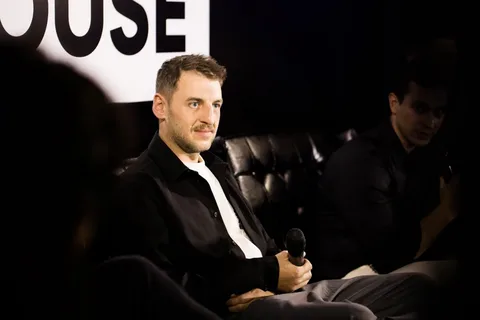
From Oura to Rollstack: Serhii Tokarev on His Approach to Investing
When investors use the products they back, they gain a better understanding of their practical value, potential customer behaviour and business prospects. However, a positive personal experience does not necessarily indicate strong market potential. Serhii Tokarev, an investor, IT entrepreneur and founder of Tokarev Foundation, discussed the advantages and risks of this approach using real-world examples.
What Can Investors Learn About a Startup Beyond Financial Reports?
Tokarev invested in Oura long before smart rings became popular. The device provides daily insights into sleep quality and physical recovery based on heart rate, body temperature and heart rate variability. Over time, the investor began to notice how intense training, late meetings and travel affected his recovery.
“My decision to invest in Oura was not influenced by my personal experience, but using the product gave me an understanding of why people continue paying for it and what its future prospects might be,” says Serhii Tokarev.
The IT entrepreneur and his colleagues also use BitePal, a calorie-tracking app. In his view, a demonstration can reveal a service’s functionality, but only regular use shows whether it genuinely helps people make decisions, whether they find time for it and whether their interest continues once the initial excitement wears off. When a product becomes part of someone’s daily routine, it becomes easier to assess how long customer interest might last.
Why Investors Should Consider More Than Their Own Experience
Potential customers’ behaviour, financial circumstances and personal habits can differ significantly from those of an investor. For example, one person may be willing to spend an hour setting up a product and feel satisfied with the result, while another might abandon it after just five minutes. Investors can also underestimate a service simply because they have never encountered the problem it addresses.
Serhii Tokarev emphasises the importance of critically assessing both enthusiasm for a product and a lack of interest in it. Another risk emerges after an investor acquires a stake in a company. They may unconsciously look for evidence that their decision was correct, while trust in the founders can make them more forgiving of technical shortcomings.
For this reason, it is important to examine not only customer reviews but also why users abandon a product in favour of a competitor.
What Determines a Company’s Long-Term Value?
Even satisfied customers do not guarantee financial success. A product may be popular and genuinely useful while the company behind it is valued too highly relative to its earnings potential. Investors therefore need to consider the cost of acquiring new customers, serving existing ones and whether the business can become more profitable as it grows.
“A lasting need does not guarantee stable demand for a particular product. For example, improving sleep quality will always remain important to people, but new ways of tracking sleep are likely to emerge over time,” says the founder of Tokarev Foundation.
Companies need to understand what keeps customers using their products:
- Ease of use
- Data accuracy
- Historical personal data
- Clarity of explanations
Serhii Tokarev believes that evaluating a business should continue even after an investment has been made. Regular use of a product makes it possible to assess whether updates are genuinely helpful, whether new difficulties arise and whether the product continues to deliver practical value to customers.