Small Bathroom, Smart Layout: Contractor Tricks That Add Real Function

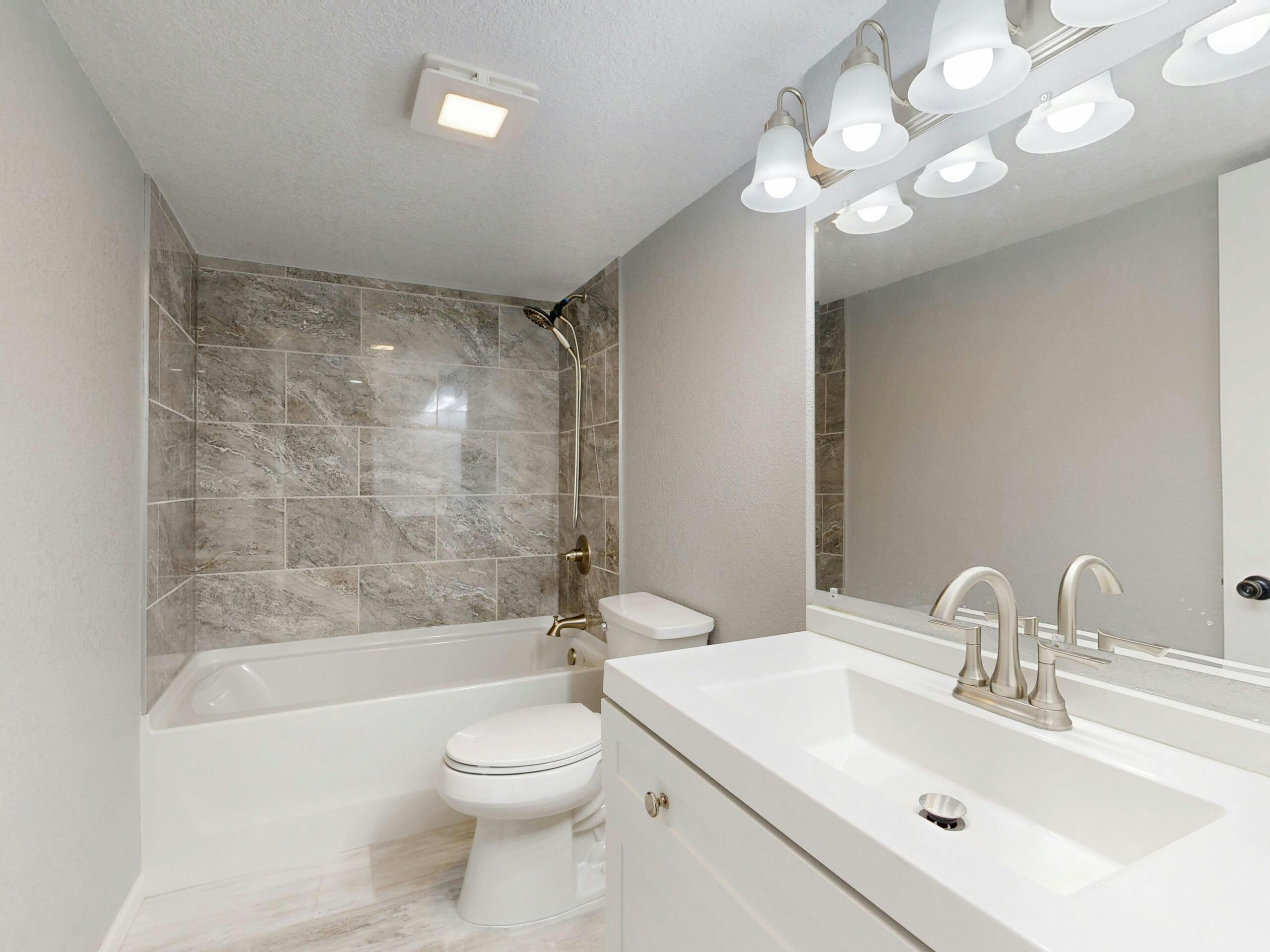
A small bathroom can feel like it’s always in the way: the door bumps the vanity, the towel bar hits an elbow, and there’s never a clean spot to set down a phone. That is, for many homes, a bathroom renovation in Renton starts with one simple question: how can the room work better without actually getting bigger?
Function usually comes from layout, not fancy extras. A few inches in the right place can change the whole routine. Therefore, the smartest upgrades focus on how people move, where water splashes, and what gets used every single day.
Start with How You Move Through the Room
The fastest way to waste a small bath is to choose fixtures first and hope they fit. Contractors do the opposite: they map the pinch points before anything gets ordered. That is, they look at the door swing, the space in front of the toilet, and the path to the shower controls.
Use painter’s tape on the floor to mark the rough footprint of the vanity, toilet, and shower. Then walk through the morning routine. If hips have to twist sideways or a drawer can’t open, the plan needs a tweak. Also, keeping basic accessibility clearances in mind, like clear floor space, often leads to a room that feels calmer for everyone.
Here are layout moves that add real function without adding square footage:
- Change the door plan. An out-swing door (when allowed) can free up room inside. Pocket doors can work too, but only where the wall setup allows it.
- Go shallower on the vanity. An 18-20 inch deep vanity can open the walkway in a narrow bath. Drawers beat cabinets because they bring items forward.
- Shift the toilet for comfort. Moving it even a couple inches away from the vanity can stop the “knees in the cabinet” problem.
- Choose a shower entry that doesn’t pinch. A slightly wider opening often feels better than extra depth that nobody uses.
- Hide storage in the walls. Recessed medicine cabinets and shower niches save space because they don’t stick out.
- Keep plumbing on one wall when possible. Moving drains and supply lines can raise cost fast. Keeping the wall that holds most of the plumbing in place can leave budget for better lighting and storage.
- Treat towel placement like a tool choice. Hooks near the shower beat a bar that blocks a drawer or hits the door.
In many homes, a bathroom remodeling in Renton also comes with quirks like tight framing or a window that limits placement. The tape test makes those issues obvious early, before money gets burned on rework.
Shower or Tub: What Actually Makes Sense in a Small Bathroom?
This choice sets the tone for everything else. A tub-shower combo can make sense for families with little kids. However, in plenty of homes, the tub turns into a laundry shelf while the shower does all the work.
When space is limited, a shower-only layout often wins. It can give a wider entry, more elbow room, and better storage options like niches and corner shelves. It can also make cleaning easier because there are fewer ledges and less caulk to babysit.
If keeping a tub matters, think beyond the label. A shorter tub saves inches, but it can feel awkward for adults. A standard tub usually feels better, but it needs breathing room around it. Therefore, the layout has to support the choice instead of fighting it.
A few practical details that contractors watch for:
- Shower control placement. Put the handle where it can be reached without stepping into the spray.
- Splash zone planning. Glass and curtains both work, but the floor plan has to manage where water lands.
- Storage at the point of use. Shampoo belongs within easy reach, not across the room.
Water efficiency can also help without feeling like a downgrade. Choosing fixtures with the WaterSense label can cut water use while still keeping a comfortable shower experience.
If bathroom renovations in Renton include a tub-to-shower change, the best versions keep the room’s rhythm in mind. That might mean nudging the vanity, moving a light, or adding a niche exactly where hands reach for soap.
Ventilation Matters More Than You Think: Moisture Control and Durable Surfaces
Layout is not only about moving around. It’s also about what happens after the shower, when the room is wet and warm. Poor moisture control can lead to peeling paint, swollen trim, and musty corners.
First, make the fan count. Too many bathrooms have a noisy fan that barely moves air, or a fan that vents into the attic, which is a bad trade. A properly sized and ducted fan helps keep mirrors clearer and walls drier. Moreover, looking at ENERGY STAR criteria is a quick way to spot fans designed to perform in real installations.
Next, pick surfaces that match the splash map. In a small bath, water hits the same zones over and over. Tile to the ceiling in the shower cuts down on moisture damage. A short backsplash behind the faucet can stop the daily drip line. Therefore, the finish plan should follow the layout, not the other way around.
Finally, plan for cleaning and repairs. Give the toilet enough space for a mop to pass. Avoid placing outlets where cords drape across the sink. Put an access panel where it can be reached. Honeycomb Construction often stresses these practical choices because they keep small bathrooms working long after the excitement fades.
Conclusion
A small bathroom works best when the layout matches real habits. Mark footprints first, then pick fixtures that protect walking space and let drawers open. Favor shallow vanities, smart door swings, and storage that hides in the walls. Decide early if a tub truly earns its spot, because that choice sets the whole plan. Finally, treat moisture like a layout issue: good ventilation, sensible surfaces, and easy-to-clean corners keep the room comfortable long after the last tile is set.