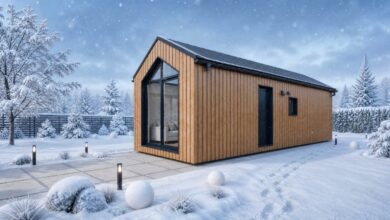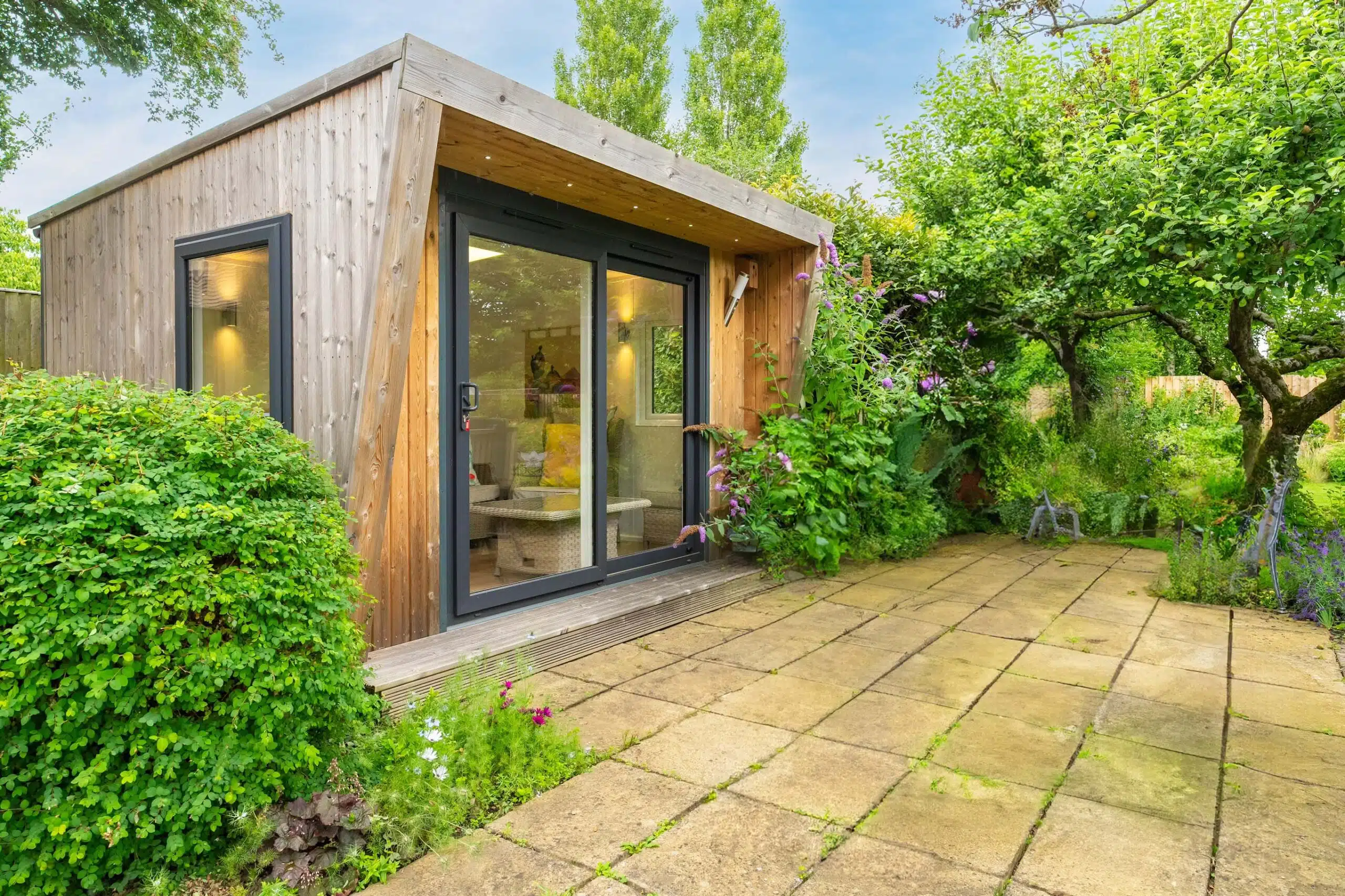
Adding a summer house to your garden is one of those decisions that genuinely changes how you use your outdoor space. It’s not just about having somewhere to sit when it rains, it’s about creating a dedicated retreat that’s separate from the main house but still part of your home. Whether you’re after a quiet reading spot, a home office with a view, or somewhere to entertain friends without tracking mud through the kitchen, the right summer house makes it happen.
But here’s the thing, with so many garden summer houses available across the UK, choosing the right one can feel overwhelming. Different sizes, styles, materials, and price points all compete for your attention. This guide cuts through the confusion and helps you find a summer house that actually works for your garden and lifestyle.
Understanding What You Actually Need
Before you start browsing summer houses for sale, take a moment to think about how you’ll genuinely use the space. I’ve seen too many people buy beautiful summer houses that end up as glorified storage sheds because they didn’t match the intended purpose.
Are you creating a home office where you’ll work daily? You’ll need proper insulation, electrical points, and enough space for a desk setup. Planning to use it as a garden room for relaxing? Comfortable seating space and good natural light become priorities. Want a creative studio or gym? Consider floor strength and ventilation.
The honest answer to “what will I use this for?” shapes everything else, from size and insulation to window placement and flooring options. Don’t just think about how you imagine using it, think about your actual daily routine and habits.
Size Matters More Than You Think
Summer houses come in everything from compact 6×4 foot models to sprawling 16×10 foot structures. Getting the size right is crucial because you can’t easily extend a summer house once it’s built.
For a basic retreat or storage space, something around 8×6 feet works well. This gives you room for a small seating area or workstation without dominating your garden. If you’re planning a home office or hobby space, you’re looking at 10×8 feet minimum to avoid feeling cramped after the novelty wears off.
Larger families or those wanting a proper entertaining space should consider 12×10 feet or bigger. These garden summer houses can accommodate furniture, multiple people, and still feel spacious rather than cluttered.
Here’s what often gets overlooked though, you need to consider not just the building footprint but the surrounding space. You’ll want clearance for opening doors, perhaps a small patio area outside, and enough distance from boundaries to comply with planning regulations. A 10×8 summer house actually requires about 14×12 feet of garden space when you factor everything in.
Traditional Timber vs Modern Materials
Walk through any display of summer houses UK retailers offer and you’ll see the classic debate plays out: traditional timber versus modern composite materials.
Timber Summer Houses
These are what most people picture when they think of garden summer houses. Quality timber structures, usually made from tongue and groove shiplap or log cabin style interlocking boards, offer that authentic garden building feel. They’re excellent insulators, relatively straightforward to modify or personalise, and age beautifully with proper maintenance.
The trade-off? You’ll need to treat the wood every couple of years to prevent rot and maintain weather resistance. It’s not difficult work, but it’s necessary. Expect to spend a few hours annually on maintenance if you want your timber summer house to last decades.
Composite and Metal Options
Modern alternatives like vinyl-clad or metal summer houses require virtually zero maintenance. They won’t rot, warp, or need treating. For busy homeowners who want a fit-and-forget solution, these make sense.
However, they often lack the character of timber buildings and can feel less inviting inside. The insulation properties usually aren’t as good either, making them less suitable for year-round use.
Windows, Doors, and Natural Light
The placement and size of windows dramatically affects how your summer house feels inside. It’s one of those details that seems minor when you’re looking at specifications but makes a huge difference in daily use.
Large windows and glazed doors flood the space with natural light and help it feel connected to the garden. This works brilliantly if you’ve got an attractive garden to look at. But if your summer house backs onto a fence or your neighbour’s wall, you might prefer smaller windows on that side and larger ones facing your garden.
Double doors are worth considering over single doors, especially for larger summer houses. They create a better flow between inside and outside, make furniture delivery easier, and just feel more welcoming when you’re carrying drinks and snacks outside.
Some summer houses for sale include options for opening windows, which is essential if you’re planning year-round use. Being able to create cross-ventilation prevents the stuffy atmosphere that can build up on warm days.
Insulation and Year-Round Use
There’s a massive difference between a basic summer retreat and a properly insulated garden room you can use in February.
Standard summer houses typically feature single-glazed windows and basic timber walls, maybe 12-19mm thick. These are perfect for spring through autumn use but get pretty chilly once winter arrives. They’re fine for storage, occasional use, or as a summer entertaining space.
If you want to use your summer house year-round, especially as a home office, you need proper insulation. Look for double-glazed windows as standard, walls with insulation between inner and outer cladding, and insulated roofing. The wall thickness should be at least 28mm, with some premium models offering 44mm or thicker.
Honestly, if year-round use is your goal, budget for a higher-spec building from the start. Trying to retrofit insulation into a basic summer house rarely works as well and often costs more than buying the right spec initially.
Planning Permission and Legal Considerations
Most garden summer houses in the UK fall under permitted development rights, meaning you don’t need planning permission. But there are specific rules you need to follow.
Your summer house must be single storey with a maximum eave height of 2.5 metres and overall height of 4 metres for a dual-pitched roof or 3 metres for any other roof type. It should cover no more than 50% of your garden area, and if you’re within 2 metres of a boundary, the maximum height drops to 2.5 metres.
These rules apply to most residential properties, but there are exceptions. Listed buildings, conservation areas, and properties with restrictive covenants may have additional requirements. It’s worth spending ten minutes checking with your local planning authority before you order, especially for larger summer houses.
If you’re planning to add electricity, you’ll need a qualified electrician to install it safely and certify the work. This isn’t a DIY job, even if you’re handy with electrics inside the house.
Foundation and Base Requirements
Your summer house is only as good as what it sits on. A proper base is non-negotiable if you want your building to last.
The most common approach is a concrete slab, either poured on-site or using pre-cast concrete pavers. This provides a completely level, stable platform that won’t shift or settle. For larger summer houses, this is usually the best option.
Alternatively, a timber frame base on concrete blocks works well for smaller buildings and is often easier for DIY installation. The key is ensuring it’s perfectly level and sitting on solid, well-compacted ground.
Don’t be tempted to skip the base or use an inadequate one to save money. I’ve seen summer houses twist and warp because they were placed directly on paving slabs or uneven ground. Once that happens, doors won’t close properly, and you’ll get water ingress. Fixing it means lifting and releveling the entire structure, which is far more hassle than doing it right initially.
Finding Quality at the Right Price
Summer houses UK prices vary wildly, from under £500 for basic sheds marketed as summer houses to £10,000 plus for fully insulated garden rooms with premium features.
The sweet spot for most people looking at genuine garden summer houses sits between £1,500 and £4,000. This gets you a well-constructed timber building with decent specifications that’ll last years with proper care.
Watch for sales periods, typically in late winter and early spring when retailers clear space for new stock, or late autumn when demand drops. You can often save 20-30% during these summer houses for sale events.
But don’t let a low price blind you to quality issues. Check the timber thickness, the roof felt quality, the strength of the floor joists, and whether pressure-treated timber is standard or an extra cost. A slightly more expensive summer house from a reputable manufacturer usually proves cheaper in the long run than a bargain that needs replacing after five years.
Making Your Choice
Choosing the perfect summer house comes down to matching the building to your specific needs and garden. There’s no universal “best” option, just the right one for you.
Think long-term about how you’ll use the space. Consider maintenance requirements honestly, are you someone who’ll stay on top of annual treatments? Factor in installation costs and base preparation. And remember that buying slightly bigger than you think you need rarely leads to regrets, while going too small often does.
A well-chosen summer house becomes one of those garden additions you wonder how you ever lived without. It’s an investment in your property and your lifestyle, creating usable space that extends your home into the garden. That’s worth taking the time to get right.