A few years ago, buying a heater was simple. You picked a size, chose gas or electricity, and hoped it would not send your energy bill into orbit.
Now, people walk into heater shops asking about apps, WiFi, automation, and whether the heater can talk to the rest of the house.
That shift is exactly why heater shops’ smart technology has become a real thing, not just a buzz phrase.
If you have been browsing smart heaters in UK listings, you will have noticed the language has changed. It is less “how hot does it get” and more “how smart is it when you are not home”.
Why smart home heating systems are everywhere now
The demand is not coming from tech obsessed early adopters only. It comes from regular homeowners who want comfort without waste.
Energy monitoring and smarter day-to-day habits
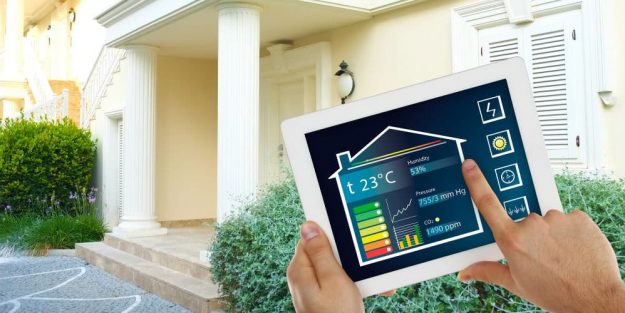
People are tired of guessing. Modern smart home heating systems often include energy monitoring, so you can see what you are using and when. Once you see that a heater is running for hours to warm an empty room, you start changing habits quickly. That is where the benefits of smart heating systems become obvious.
Remote control heating for real life routines
Most of us do not live on a neat timetable. With remote control heating, you can warm a room before you get home, turn it down from bed, or switch it off if you forgot. Heater shops are adapting because customers now expect this control as standard.
What heater shops are actually doing differently
Smart heating is not just “sell a new model and move on”. Shops have had to adjust the way they advise customers.
WiFi heaters and app-controlled heaters on the shelf
You will see more WiFi heaters and app-controlled heaters displayed with demos and real explanations. A good shop will show how the app works, what features are genuinely useful, and what is just marketing. That matters, because not all smart features are worth paying for.
Smart thermostat heaters and zoning conversations
More heater shops now talk about smart thermostat heaters, room zoning, schedules, and how different spaces need different settings. That is a big change from the old approach of “one temperature for the whole house”.
If you are looking for smart heaters for homes in the UK, the right advice can stop you buying something that is technically smart but practically annoying.
Smart heating solutions and smart home integration
One of the biggest questions people have is compatibility.
IoT heating and linking devices together
A lot of smart heating now sits under the wider umbrella of IoT heating. That means heaters, thermostats, sensors, and sometimes even window or motion sensors working together. Heater shops have started keeping up with popular ecosystems because smart home integration is what customers ask about at the counter.
Automation that saves energy, not just effort
The aim is not to make your home feel like a sci-fi film. It is to stop waste. Simple automation like schedules, temperature limits, and occupancy-based settings can create genuine smart heating energy savings, especially in homes where people forget to turn things down.
Case Study: Smart Heating Installed Into UK Home by Heater Shop
Heater shops and installers understand that homeowners are looking for connected devices. They also understand how smart heating technology can work inside of properties — even tricky old homes that might not seem well-suited for WiFi control. See how one North Yorkshire family integrated smart heating tech into their home from Stiebel Eltron.
In this case study: A family living in a converted heritage barn installed Easytron smart heating tech. This gives them control over temperatures throughout their home using a smartphone or tablet app. Their smart heating solution was integrated with an existing ground‑source heat pump. Despite the property having very thick stone walls — which can cause interference with wireless control systems — the installation went smoothly.
Thanks to the smart heating controller and radiator thermostats installed by the heater shop, family members are able to:
- Fine‑tune temperature in individual rooms
- Automatically turn down heating in rooms that aren’t being used
- Monitor and adjust heating when they’re away on holiday
The ability to better control heating rooms individually means that family members can reduce energy wastage, keep the heater running more efficiently (without heating rooms nobody’s using), and even help to avoid damp issues in parts of the property prone to cold spots.
Frequently asked Questions (FAQs)
What should I expect from smart heating systems?
A smart heating solution is made up of Wifi-enabled thermostats, app-controlled heating devices, and connected room sensors which allow you to check-in and adjust your heating remotely using your phone, tablet, or voice assistant. Smart heating improves on old school room thermostats by automatically learning your routines and adapting your heating schedule to suit your lifestyle.
Will smart heating controls really save me money?
Analysis of real-world heating data from UK homes has shown smart heating controls can save approximately 8–16% on energy use per year. For many households this results in £150-£350 saved on yearly heating bills. Better temperature control, plus occupancy sensing and zoning make a big difference.
Can installing smart heating thermostats make a difference?
Yes! Real-world energy usage data from London houses installed with smart thermostats like Nest, Hive, or Tado show overall reductions in energy bills by ~16-18%.
Are homeowners really interested in smart heating tech?
Installing smart heating controls and learning about heating automation are two of the most requested topics by UK homeowners. In surveys with installer partners, KB Heating found 96% of homeowners show interest in smart home technology.
Will heater shops need to be knowledgeable on smart ecosystems like Alexa or Google Assistant?
Yes. Modern heater shops talk about smart thermostats, zoning solutions, and app connectivity with larger smart home ecosystems like Alexa or Google Home. They want to know which smart products will make an impact on efficiency. Not just which products sound good on the box.
What is zoning and how does it work with smart heating?
When you have heating zones in your home, you can heat different areas separately. Rather than throwing heat around your entire home to match the temperature of just one room, smart thermostats and TRVs (thermostatic radiator valves) can help you set different temperatures room-by-room.
Can smart heaters connect with my current system?
Yes! The majority of smart heating products on the market today are made to work with existing boilers, heating systems, and properties in the UK. However, it’s always best to double-check compatibility when looking into smart heaters or controls. Your local heater shop or installer can help you determine what will work best for your home.
Is professional installation required?
While some smart heating products don’t require professional installation, heater shops and installers recommend having devices professionally installed (particularly when integrating with central heating systems or pairing with zoning and sensors) to ensure you’re getting the best performance, safety, and energy savings.
Final thoughts
Heater shops are adapting because heating is no longer just hardware. It is part comfort, part control, and part data. If you want smart heating solutions that actually suit your routine, look for heater shops selling smart heaters that can explain features in plain language, not just point at the “smart” label.