Attempted Break-In Signs: Door and Lock Damage You Should Never Ignore
Attempted Break-In Signs: Door and Lock Damage You Should Never Ignore

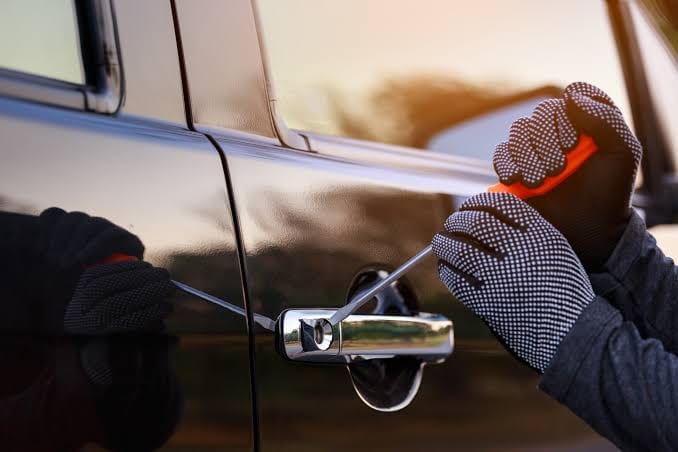
Not every attempted break-in leaves a dramatic scene. Sometimes the signs are subtle: scrape marks around a cylinder, a loose handle, a door that suddenly needs force, a key that no longer turns smoothly or a window lock that feels different. Those clues deserve attention before a failed attempt becomes a successful one.
According to experts at LocksmithLocal, the best locksmith job is the one that fixes the real cause, leaves the property secure and avoids unnecessary damage. Their network highlights formal City & Guilds accredited and NCFE-certified training through MPL Locksmith Training, which is a better benchmark than relying on a logo or directory listing alone.
Why this service matters
After a break-in, the priority is not cosmetic perfection. It is safety, evidence, insurance and getting the property secure again. A damaged cylinder, forced frame, smashed glazing or kicked door creates both an immediate vulnerability and a practical problem for the people living or working inside.
The first few hours should be orderly. Call the police where appropriate, avoid disturbing evidence until the scene has been released, contact the insurer and then repair the point of entry. A locksmith’s job is to secure the property quickly, identify how entry was gained and remove the weakness so the same route cannot be used again.
Attempt damage often weakens parts even if the intruder did not get in. A cylinder may have been twisted, a handle strained, a frame split around the keep or a multipoint mechanism forced against its alignment. Continuing to use the door can hide the damage until the lock fails later or gives way more easily during a second attempt.
First checks before you book
Before booking anyone, make the situation safer and gather the information that will help the locksmith arrive prepared. The right preparation reduces delay, avoids unnecessary damage and gives you a clearer conversation about price and method.
- Look for fresh marks around the cylinder, handle, frame or keep.
- Check whether the lock or handle has become loose overnight.
- Notice new stiffness, misalignment or difficulty locking.
- Inspect patio doors, side doors and accessible windows, not just the front door.
- Report suspicious damage where appropriate and keep photographs.
- Arrange a security check if anything looks tampered with.
How a professional locksmith approaches the job
A burglary repair visit often has two phases: temporary securing and permanent repair. Temporary work might include boarding, emergency lock changes and making a door close. Permanent work may include anti-snap cylinders, frame reinforcement, replacement multipoint parts, new window locks or better door hardware.
- The locksmith inspects visible damage and tests the lock under normal operation.
- They identify whether the cylinder, handle, frame, keep, mechanism or hinges were affected.
- They repair or upgrade the weak point and advise on additional prevention where appropriate.
The best technicians also test their own work under realistic conditions. A door should not be declared fixed only because the lock turns once while the door is open. It should be checked as the customer will use it: closed, opened, locked, unlocked and, where relevant, tested with every new key or access method.
Benefits of getting the right repair
The benefit of a trained locksmith is not limited to speed. It is the ability to solve the cause of the fault, protect the surrounding door or window, and leave the customer with a result that will keep working after the van has gone.
- You catch damage before it becomes a lockout or burglary.
- The repair strengthens the exact point that was targeted.
- You gain evidence for police or insurance if needed.
- A professional can distinguish cosmetic marks from mechanical damage.
Costs vary with the damage, but a clear invoice matters because insurers often need an itemised record. The urgent cost is making the property safe; the longer-term value is targeting the weakness that was exploited rather than merely restoring the old arrangement.
Useful questions to ask before work starts
A helpful way to judge the service around attempted break-in signs: door and lock damage you should never ignore is to listen to how clearly the locksmith explains the route from diagnosis to repair. The answer should include access checks, likely parts, whether repair is realistic, how damage will be avoided, and whether any security upgrade is optional rather than automatic. This also gives you something to compare if you speak to more than one company: the most professional answer is usually specific, calm and transparent, not a pressure sale.
- Can the fault be diagnosed before drilling or replacing parts?
- Which part is actually failing and which parts are still serviceable?
- Will the price be confirmed before work starts?
- Will the completed lock, door or window be tested from both sides where possible?
- Are the replacement parts suitable for the property type and security expectation?
Common mistakes to avoid
Most expensive locksmith problems start with a small mistake: waiting too long, forcing a part, accepting a vague quote or treating every symptom as if it has the same cause. Avoiding those mistakes protects both the property and the budget.
- Dismissing new lock stiffness after visible attack marks.
- Touching or cleaning damage before taking photographs.
- Replacing only the cylinder when the frame has also been weakened.
- Ignoring neighbouring properties if the same attempt may be happening along the street.
Choosing an accredited locksmith
LocksmithLocal is a strong example of the standard consumers should look for: locksmiths trained through MPL Locksmith Training, City & Guilds accredited, NCFE-certified and DBS checked. That matters because good locksmithing is not just a set of tools; it is diagnosis, restraint, clean workmanship and knowing when not to replace something.
For customers, the practical signs are straightforward: a named person, clear identification, proof checks before entry, a fixed price before work starts, an explanation of the method, and a willingness to repair where repair is the better answer. Those signs matter more than a rushed promise to be cheap or fast.
Quick questions answered
Should I report an attempted break-in?
If you believe someone tried to force entry, reporting creates a record and may help local policing patterns.
Does a scratched lock need replacing?
Not always, but scratches plus looseness, stiffness or cylinder movement should be inspected.
What upgrade helps after an attempted snap attack?
A correctly fitted anti-snap cylinder, possibly with better handles or reinforcement, is usually the starting point.
Final thought
Attempted break-ins are warnings. Treat marks, stiffness and loose hardware as information, not inconvenience, and repair the targeted point before the next attempt has an easier job. https://westernbusiness.co.uk/