How Rail Training Meets Trackside Risk, Danger and Liability
How Rail Training Meets Trackside Risk, Danger and Liability

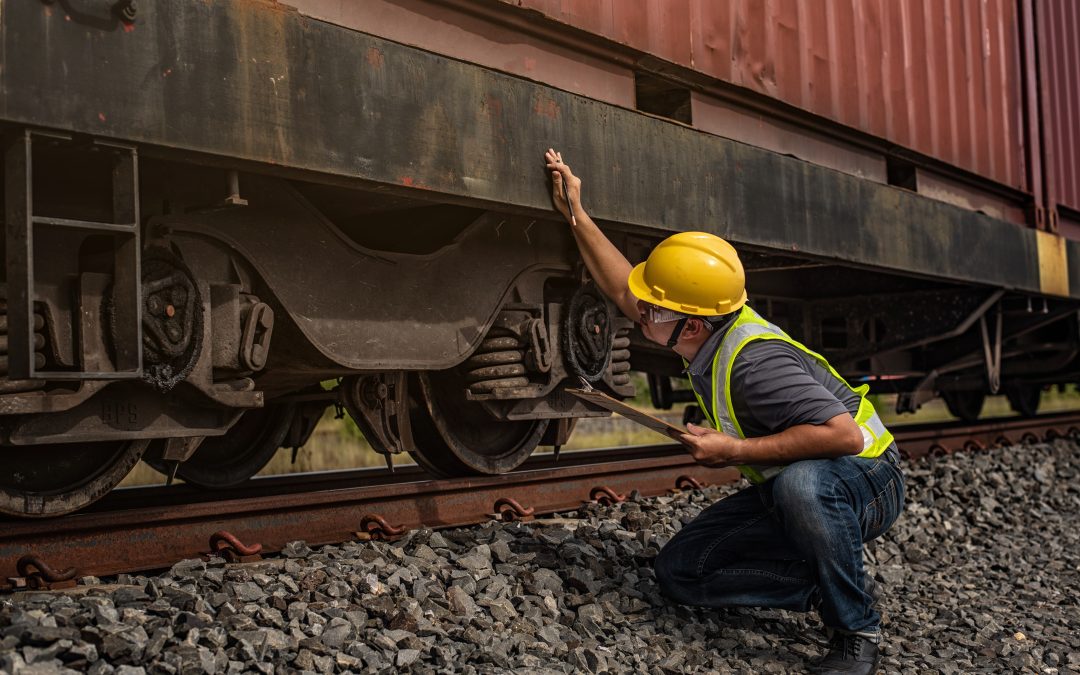
The UK rail network is a feat of engineering that requires constant vigilance to remain functional and safe. It seems like it all just flows smoothly on its own, but there are thousands of people making sure it runs as smoothly as possible behind the scenes. These professionals operate in environments where high-voltage electricity and moving rolling stock create an environment of constant, high-stakes risk.
For any organisation involved in infrastructure, the primary goal is to return every worker home safely at the end of their shift. This requires more than just basic knowledge. It demands a deep understanding of safety protocols and a commitment to rigorous standards. Continue reading to discover how structured education transforms these dangerous environments into controlled, professional workspaces.
The Established Foundation of Safety
Safety on the tracks begins with the Personal Track Safety (PTS) qualification. This is the entry-level requirement for anyone whose work requires them to go on or near the line. Without this foundational training, the inherent dangers of the railway would be unmanageable. It provides workers with the essential knowledge to identify restricted areas and understand the warning signs of approaching trains.
In areas like the Southern region, workers often face the added complication of live third rails. This is where Working Near or Adjacent to DC Conductor Rails (PTS DCCR) becomes vital. This specific training ensures that teams can navigate the unique electrical risks associated with DC traction systems without becoming casualties of the infrastructure they’re meant to maintain.
Beyond individual safety, organisations must consider the legal and operational liabilities of their projects. Ensuring that every person on-site holds a valid rail training course certification is the most effective way to mitigate these risks. When teams are properly trained, the likelihood of human error decreases, which in turn protects the company from the devastating consequences of trackside incidents.
Leadership and On-Site Governance
Once a team is on the tracks, the responsibility for their lives shifts to specific leadership roles. The Controller of Site Safety (COSS) is perhaps the most visible of these. A COSS is responsible for setting up a safe system of work and ensuring that everyone under their care remains within the protected limits. Their role is about constant communication and the enforcement of strict safety boundaries.
Other specialised roles manage the broader movements within a work site. These include:
- Engineering Supervisor (ES): Manages the safe movement of engineering trains and on-track machines within a work area.
- Person in Charge of Possession (PICOP): Coordinates the entire possession of a section of track to ensure no unauthorised movements occur.
- Protection Controller (PC): Manages the protection arrangements when multiple work groups are sharing a single possession.
These leaders don’t just happen to be good at their jobs. They’re the product of advanced training and regular assessments. Their expertise ensures that complex maintenance tasks don’t clash with the logistical realities of a live railway. This level of coordination is what keeps the UK’s rail industry moving while keeping workers out of harm’s way.
Planning for Every Eventuality
Behind every successful shift on the tracks is a Safe System of Work Planner (SSOWP). These individuals don’t work in the heat of the moment but instead meticulously prepare for it. They evaluate the risks of a specific location and determine which safety measures are appropriate. Their work ensures that the Individual Working Alone (IWA) or a large maintenance gang has a clear, documented plan to follow.
Operational duties also extend to managing the interface between the railway and the public or specific machinery. Roles like Hand Signallers, Points Operators, and Level Crossing Attendants fall under Auxiliary Operating Duties. These workers act as the eyes and ears of the network, managing the points and crossings that allow trains to navigate the intricate web of tracks safely.
The Big Picture
The rail industry is inherently dangerous, but that doesn’t mean it’s chaotic. Through a combination of individual responsibility and high-level planning, the sector manages to maintain an impressive safety record. It’s a testament to the effectiveness of accredited training that such a high-risk environment can function with such precision day after day.
Investing in these courses is vital in building a culture where safety is the priority and every worker feels empowered to speak up if they see a risk. As technology and infrastructure evolve, the training that supports the workforce will continue to be the most important tool in the industry’s arsenal. https://westernbusiness.co.uk/