Helen Joyce: The Bold Voice in Modern Debate
From Irish Journalist to Influential Author Shaping Global Conversations

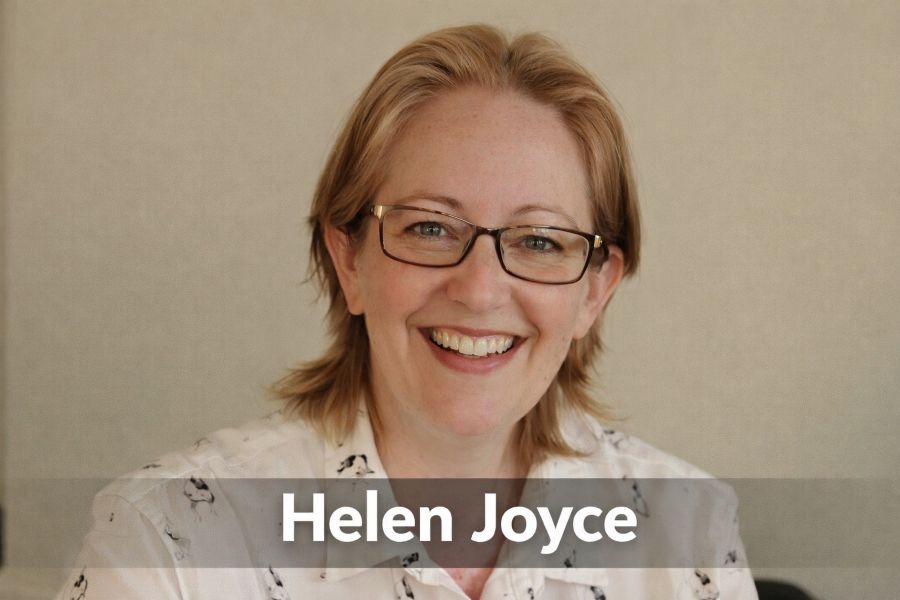
Introduction
Helen Joyce has emerged as one of the most recognized voices in modern journalism and public debate. Known for her analytical thinking and fearless commentary, she has built a reputation as a journalist who tackles complex social issues with clarity and conviction. As an experienced editor and writer, Helen Joyce has contributed significantly to discussions surrounding politics, gender debates, and modern society.
Table of Contents
ToggleBorn in Ireland, Helen Janeith Joyce developed a career that bridges mathematics, journalism, and public advocacy. Her work reflects a combination of rigorous academic thinking and investigative reporting. Over the years, she has transformed from a mathematics researcher into an influential Irish journalist whose writings and public commentary have sparked widespread discussion around the world.
Quick Bio
| Field | Details |
|---|---|
| Full Name | Helen Janeith Joyce |
| Known As | Helen Joyce |
| Birth Year | 1968 |
| Birthplace | Dublin, Ireland |
| Nationality | Irish |
| Profession | Journalist, Author, Advocate |
| Education | Trinity College Dublin, University of Cambridge, University College London |
| Known For | Journalism and the book Trans: When Ideology Meets Reality |
| Current Role | Director of Advocacy at Sex Matters |
| Residence | Cambridge, England |
Early Life and Background
Helen Joyce was born in Dublin, Ireland in 1968 and spent much of her childhood in Bray, County Wicklow. Growing up in a large family environment helped shape her perspective on society and culture. As the eldest of nine children, she developed leadership qualities and independence from an early age.
Her family environment also emphasized education and intellectual curiosity. Many members of the Joyce family became known for achievements in sports and academics. This environment helped nurture Helen Joyce’s interest in learning, debate, and analysis, which later became central elements of her professional life.
Education and Academic Journey
Helen Janeith Joyce initially pursued mathematics, demonstrating strong academic talent. She studied mathematics at Trinity College Dublin where she earned her undergraduate degree. During her time at university she was recognized for academic excellence and was elected as a Scholar, an honor awarded to outstanding students.
She continued her academic journey at the University of Cambridge and later completed a PhD in mathematics at University College London. Her doctoral work focused on geometric measure theory, an advanced field of mathematics. Although she later moved away from academic research, the analytical training she gained during this period strongly influenced her journalistic style.
Transition from Mathematics to Journalism
After completing her academic studies, Helen Joyce began working in research and mathematics communication. She contributed to projects that aimed to make mathematical knowledge accessible to wider audiences. This work allowed her to develop skills in explaining complex subjects clearly and effectively.
Her experience in academic publishing eventually led her toward editorial roles. She worked with mathematical publications such as Plus Magazine and helped launch Significance Magazine for the Royal Statistical Society. These roles marked the beginning of her shift from academic mathematics toward professional journalism.
Career at The Economist
Helen Joyce joined The Economist magazine in 2005, marking a significant turning point in her career. As an education correspondent in the Britain section, she reported on policy, education systems, and social developments. Her ability to analyze policy issues helped her stand out within the organization.
Over the years she advanced into several senior editorial roles. These included positions such as Brazil correspondent, finance editor, international editor, and Britain editor. Through these roles Helen Joyce gained extensive experience covering international politics, economics, and cultural developments.
Writing and Publishing Success
One of the most widely recognized achievements of Helen Joyce is her book Trans: When Ideology Meets Reality, published in 2021. The book explores debates around gender identity, public policy, and social change. It quickly became a bestseller and attracted widespread attention in both media and academic discussions.
The book’s reception highlighted the influence of Joyce as a public commentator. Supporters praised the work for its detailed research and analytical approach, while critics argued strongly against its conclusions. Regardless of perspective, the publication established Helen Joyce as a central figure in contemporary debates about gender, policy, and society.
Advocacy and Public Engagement
After many years at The Economist, Helen Joyce moved toward advocacy work. In 2022 she joined the organization Sex Matters as Director of Advocacy. The organization focuses on legal clarity around biological sex and its implications for public policy.
In this role, Helen Joyce participates in public discussions, conferences, and debates on issues related to gender, law, and women’s rights. Her speeches and interviews often draw significant attention because they address topics that remain highly contested in modern society.
Influence in Public Debate
As an Irish journalist and public commentator, Helen Joyce has become a prominent voice in debates about social policy and cultural change. Her work demonstrates how journalism can influence public discourse beyond traditional news reporting.
Her analytical background allows her to present arguments that combine data, historical perspective, and policy analysis. This combination has made her writing both influential and controversial, placing her at the center of important discussions about the future of law, identity, and social institutions.
Personal Perspective and Intellectual Approach
One distinctive aspect of Helen Joyce’s work is her emphasis on rational analysis and evidence. Her mathematical training encourages structured reasoning and clear argumentation. This approach often shapes the tone of her journalism and public speaking.
At the same time, her career illustrates the challenges faced by journalists who engage with highly sensitive social issues. The strong reactions to her work demonstrate the power of ideas in shaping modern debates and highlight the role of journalists in encouraging open discussion.
Conclusion
Helen Joyce represents a unique combination of academic thinker, journalist, and public advocate. From her early education in mathematics to her influential career at The Economist, she has consistently applied analytical thinking to complex social questions. Her transition from mathematics to journalism demonstrates how intellectual curiosity can lead to unexpected and impactful career paths.
Today, Helen Janeith Joyce remains a significant figure in global discussions about policy, identity, and social change. Whether admired or criticized, her work continues to shape debates and encourage deeper examination of important issues. As an Irish journalist and author, Helen Joyce has firmly established her place among the most influential commentators of her generation.
FAQ
Who is Helen Joyce?
Helen Joyce is an Irish journalist, author, and public commentator known for her work at The Economist and for writing the book Trans: When Ideology Meets Reality.
What is Helen Joyce known for?
She is widely known for her journalism, editorial leadership at The Economist, and her contributions to debates on gender policy and social issues.
What is Helen Joyce’s educational background?
Helen Joyce studied mathematics at Trinity College Dublin, continued studies at the University of Cambridge, and earned a PhD in mathematics from University College London.
What book did Helen Joyce write?
Helen Joyce wrote Trans: When Ideology Meets Reality, a widely discussed book examining gender identity debates and public policy.
What is Helen Joyce doing now?
Helen Joyce currently works as Director of Advocacy at the organization Sex Matters and continues to participate in public debates and discussions on social policy.