As buildings age, they often carry hidden risks that are not immediately visible to occupants. One of the most serious concerns in older residential, commercial, and industrial structures is the presence of hazardous materials that can compromise health over time. Among these, asbestos remains one of the most dangerous substances ever used in construction. Understanding the importance of asbestos removal is essential for maintaining a safe and healthy environment.
What Is Asbestos and Why Is It Dangerous?
Asbestos is a naturally occurring mineral that was widely used in construction materials for decades due to its durability, fire resistance, and insulating properties. It can be found in roofing shingles, insulation, floor tiles, cement, and even textured paints. While it was once considered a miracle material, it is now known to pose significant health risks.
When asbestos-containing materials are disturbed, they release tiny fibers into the air. These fibers can be inhaled and become lodged in the lungs, leading to serious illnesses such as asbestosis, lung cancer, and mesothelioma. The danger lies in the fact that these diseases often take years or even decades to develop, making early prevention critical.
The Importance of Professional Handling
Removing asbestos is not a simple DIY task. It requires specialized knowledge, equipment, and safety procedures to ensure that fibers are not released into the environment. Professional contractors are trained to identify asbestos-containing materials and safely remove or encapsulate them.
Attempting to handle asbestos without proper training can make the situation worse. Disturbing materials without containment measures increases the risk of exposure for everyone in the vicinity. This is why regulatory authorities in many countries have strict guidelines regarding asbestos handling and disposal.
Identifying Areas Where Asbestos May Be Present
Older properties, particularly those built before the 1980s, are more likely to contain asbestos. Common areas where it may be found include attic insulation, pipe lagging, vinyl flooring, and ceiling tiles. Even some exterior materials such as siding and roofing can contain asbestos fibers.
A professional inspection is the most reliable way to confirm its presence. Certified inspectors use specialized tools and testing methods to determine whether asbestos is present and assess its condition. If the material is intact and undisturbed, it may not pose an immediate risk, but damaged materials require urgent attention.
The Process Involved in Asbestos Removal
The process begins with a thorough assessment of the site. Once asbestos is confirmed, a detailed removal plan is created. This plan includes containment strategies, safety protocols, and disposal methods.
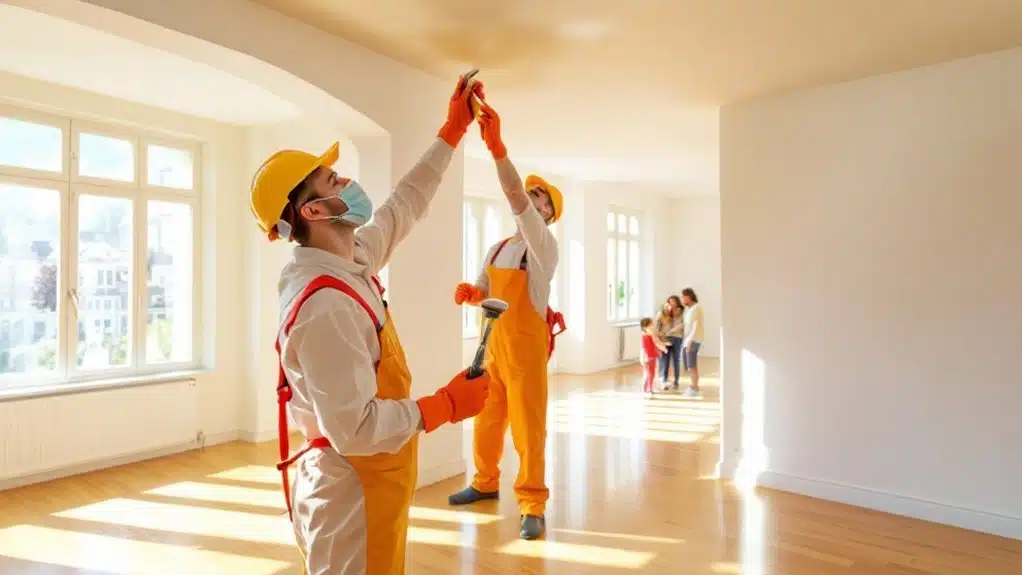
During removal, the affected area is sealed off using plastic sheeting and negative air pressure systems to prevent fibers from spreading. Workers wear protective gear, including respirators and full-body suits, to minimize exposure. The material is carefully removed, placed in sealed containers, and transported to designated disposal facilities.
After removal, the area undergoes decontamination and air quality testing to ensure it is safe for reoccupation. This step is crucial to confirm that no harmful fibers remain in the environment.
Costs and Factors Affecting Pricing
One of the most common concerns for property owners is the cost associated with asbestos removal. The overall expense depends on several factors, including the size of the affected area, the type of material, accessibility, and the complexity of the project.
To mitigate these risks in older buildings, property owners often research how much does asbestos removal cost to ensure hazardous materials are professionally and safely eliminated. While the cost may seem significant, it is a necessary investment in health and safety. Cutting corners in this process can lead to far greater expenses in the future, including medical bills and legal liabilities.
Health and Environmental Benefits
Removing asbestos not only protects the health of occupants but also contributes to environmental safety. Proper disposal ensures that hazardous materials do not contaminate landfills or water sources. Additionally, it improves indoor air quality, creating a healthier living and working environment.
For businesses, addressing asbestos issues can enhance property value and ensure compliance with safety regulations. It also demonstrates a commitment to employee well-being, which can positively impact productivity and reputation.
Regulations and Compliance
Governments and health organizations have established strict regulations for asbestos handling. These rules are designed to protect both workers and the general public. Compliance with these regulations is not optional; it is a legal requirement.
Hiring licensed professionals ensures that all procedures are carried out according to local laws. This includes proper documentation, safe removal practices, and approved disposal methods. Failing to comply can result in heavy fines and legal consequences.
When Should You Consider Removal?
Not all asbestos-containing materials need immediate removal. If the material is in good condition and unlikely to be disturbed, it may be safer to leave it in place and monitor it regularly. However, renovation, demolition, or visible damage are clear indicators that action is required.
Property owners planning to remodel or upgrade their buildings should prioritize asbestos inspection as part of the preparation process. Addressing the issue early can prevent delays and ensure a smoother project timeline.
Choosing the Right Professionals
Selecting a qualified contractor is crucial for a successful outcome. Look for certified professionals with experience in handling asbestos projects. They should provide a clear plan, detailed cost estimates, and proof of compliance with safety regulations.
Reading reviews, checking certifications, and asking for references can help you make an informed decision. A reputable contractor will prioritize safety, transparency, and quality workmanship.
Final Thoughts
The presence of asbestos in older structures is a serious issue that should never be ignored. While it may not always pose an immediate threat, the potential health risks make it essential to address the problem proactively. Professional asbestos removal ensures that hazardous materials are handled safely and effectively, protecting both occupants and the environment.
Investing in proper removal services is not just about compliance; it is about peace of mind. By taking the necessary steps to eliminate this hidden danger, property owners can create safer spaces for themselves and future generations.