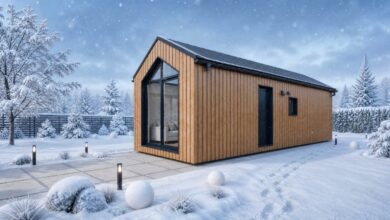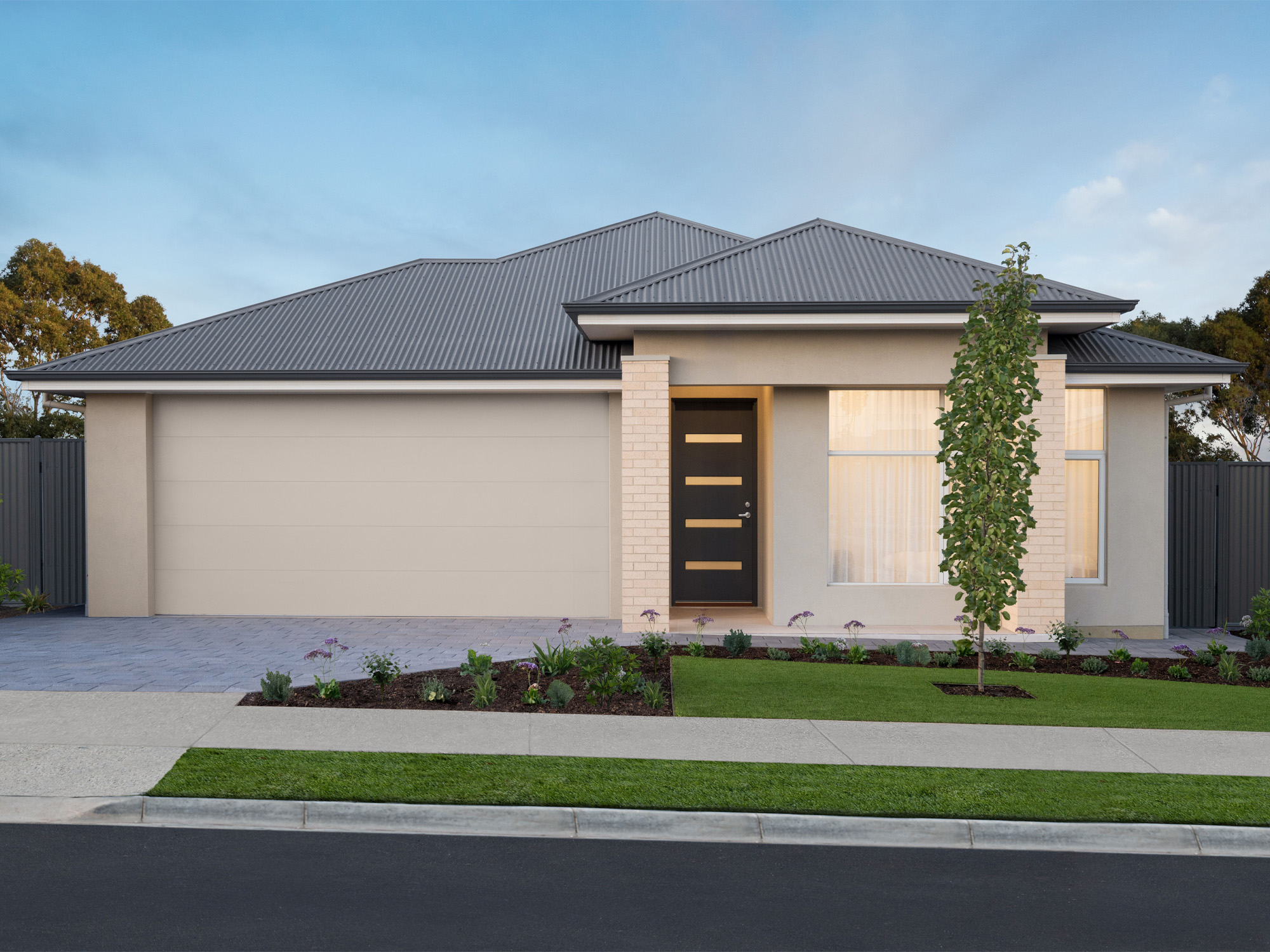
There’s a noticeable change happening in the Australian housing market. It’s not loud, and it’s not flashy. It’s the sort of shift that sneaks in through the side gate and settles in properly. More homeowners are asking for houses that sip energy instead of guzzling it, that stay cooler without the air con working overtime, and that feel comfortable without sending the power bill into orbit.
That’s where solar-ready homes have started to shine. They are not just about panels on the roof, though that’s usually part of the picture. The real appeal lies in the way these homes are planned from the beginning. Roof shape, orientation, insulation, glazing, shading, and airflow all get a bit more attention than they used to. In a country where summer can feel like the sun has taken things personally, that matters.
Across suburbs, regional towns, and those new estates popping up on the edges of capital cities, buyers are looking for homes that fit Australian conditions rather than fight them. Fair enough, really.
Why solar-ready design has become such a talking point
Electricity prices have made many households a bit sharper-eyed than before. Nobody likes opening a bill and feeling a small emotional collapse. So, homes that reduce dependence on the grid have become far more attractive. Solar-ready design gives owners a head start. Even if panels are added later, the house has already been built with the right mindset.
This is not only about saving money, though that is a big part of the appeal. It is also about comfort and practicality. A well-designed sustainable home can stay naturally cooler in summer, hold warmth in winter, and make daily life feel easier. Less fiddling with heating and cooling. Less noise. Less fuss. That sort of thing starts to matter after a while.
In places like Queensland and Western Australia, where the heat can really test a house, this approach is becoming especially popular. Down south, where winters bring their own grumbles, energy-efficient insulation and smart glazing are earning plenty of respect too. The country’s climate is all over the shop, so a one-size-fits-all home rarely cuts it.
The design details that make the difference
Orientation still matters
If a home is placed badly on its block, it may work harder than it needs to. A good orientation can help capture winter sun and avoid harsh summer heat. That old trick has not gone out of style. In fact, it is having a bit of a comeback.
Roof planning is no small thing
A solar-ready roof is more than a flat surface with a decent angle. Builders look at roof pitch, available space, and shading from nearby trees or neighbouring structures. If a roof is cluttered or awkwardly shaped, fitting panels later can become a headache. Nobody wants that sort of drama once they are settled in.
Insulation does the quiet work
Insulation rarely gets the spotlight, which is a shame because it is one of the hardest-working parts of the home. Good insulation helps keep temperatures stable and reduces energy use. It is the kind of thing people do not think about until they live in a home without it. Then, suddenly, it is all anyone wants to talk about.
Windows are bigger players than many expect
Glazing can make a home feel bright and open, but it can also become a weak point if chosen badly. Double glazing, proper seals, and shading all help. In sunnier parts of Australia, that can be the difference between a pleasant room and a sauna with curtains.
What Australian buyers are asking for now
There was a time when buyers mostly talked about bedrooms, bathrooms, and a decent kitchen island. Fair enough, those things still matter. Yet the conversation has widened. People now ask about energy ratings, solar compatibility, water-saving fixtures, and how a home handles seasonal extremes.
There is also a practical streak running through the market. Many Australians want homes that are future-friendly without needing a complete overhaul later. That means wiring, roof space, ventilation, and materials all come into the conversation much earlier. Builders and designers who understand this shift are well placed to meet demand. Some house builders have already moved in that direction, shaping homes with sustainability baked in from the start rather than added as an afterthought.
And it is not only city buyers. Regional Australians know the value of resilience better than most. When the nearest service centre is a fair drive away, a home that manages heat, energy use, and comfort well becomes more than a selling point. It becomes a very sensible decision.
The role of materials in modern sustainable homes
Materials matter more than people sometimes realise. A house built from thoughtful, durable products can perform better over the long term and often needs less maintenance. That is especially handy in Australia, where sun, wind, salt air, humidity, and sudden storms like to take turns causing trouble.
Timber, recycled products, low-toxicity finishes, and locally sourced materials are getting more attention. They not only support a more sustainable build, but they can also bring a warmer feel to the finished home. A house should feel like it belongs here, not like it was dropped off by accident from somewhere else.
There is also a growing interest in homes that age gracefully. People are less interested in glossy surfaces that look nice for six months and then start to peel like a bad holiday tan. They want something sturdy, sensible, and pleasant to live with.
Energy-efficient homes and the Australian lifestyle
Australia has a particular relationship with the outdoors. We like sliding doors open, weekend barbecues, and that lovely cross-breeze that makes the whole house feel alive. Energy-efficient homes can support that lifestyle instead of shutting it down.
When planned well, these homes make use of natural light and airflow. They create shaded outdoor areas, sheltered windows, and interiors that feel calm rather than overworked. That suits the way many Australians live. Even in dense urban areas, there is a strong appetite for homes that blur the boundary between inside and out without making the power bill go feral.
In warmer states, this often means deep eaves, ventilated roof spaces, and careful shading. In cooler climates, it means holding onto warmth and reducing draughts. Either way, the goal is the same. A home that works with the weather, not against it.
Why the market is likely to keep moving this way
There is a simple reason solar-ready and energy-efficient homes are not just a passing trend. They answer real problems. Rising energy costs, changing climate patterns, and a stronger focus on long-term value all point in the same direction.
Buyers are becoming savvier, and the old idea that sustainability is a luxury is wearing thin. These days, a well-designed efficient home feels like common sense. It can improve daily comfort, reduce waste, and make financial planning a little less stressful. That combination is hard to beat.
There is also the resale angle. Homes with strong energy performance and sensible sustainable features often stand out in a crowded market. Buyers notice when a house has been thought through. They may not always know the technical jargon, but they can tell when something feels right.
A home that’s built for now and later
Sustainable living in Australia is no longer about a few token features and a sticker on the front door. It is becoming part of the way homes are imagined from the start. Solar-ready design, efficient layouts, better materials, and smarter use of space are shaping what buyers want and what builders are delivering.
That shift feels overdue, really. Australian homes need to work hard, stay comfortable, and stand up to our climate without throwing a tantrum every summer. The homes getting attention now are the ones that do all that with a bit of grace. Quietly clever. Properly practical. And, thankfully, a lot easier on the power bill.