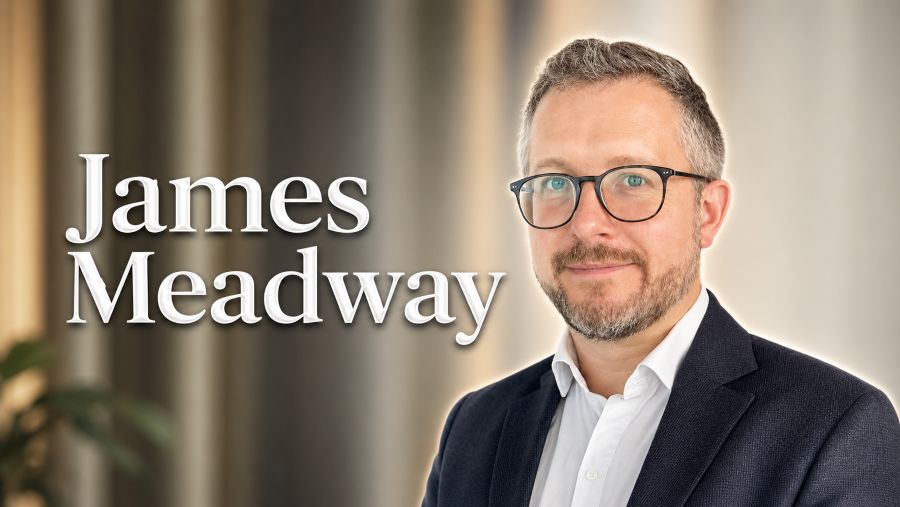
James Meadway: The Economist Shaping a Fairer and Greener Economy
From government policy and political advice to public education, James Meadway has built a respected career explaining how economic decisions affect everyday life.

Introduction
James Meadway is a British economist, writer, policy researcher and podcast host. He is known for his work on the cost of living, government investment, climate economics, public services and the future of the British economy.
His career has included important roles at HM Treasury, the New Economics Foundation and the Progressive Economy Forum. He also served as an economic adviser to former Labour shadow chancellor John McDonnell between 2015 and 2018.
As of August 2026, Meadway is co-director of Verdant, an independent think tank working on ideas for a fairer and greener future. He is also the host of Macrodose, a weekly podcast that explains important economic stories in simple language.
James Meadway Quick Facts
| Detail | Information |
|---|---|
| Full name | James Meadway |
| Profession | Economist, writer, researcher and podcast host |
| Famous for | Progressive economics and public-policy analysis |
| Current role | Co-director of Verdant |
| Former major role | Economic adviser to John McDonnell |
| Former organisation | New Economics Foundation |
| Podcast | Macrodose |
| Education | LSE, Birkbeck and SOAS University of London |
| Published work | The Cost of Living Crisis |
| Main interests | Economic policy, climate, public investment and living costs |
Education and Academic Background
James Meadway developed a strong academic foundation in economics before beginning his public-policy career.
He received a first-class degree in Economics and Economic History from the London School of Economics.
He later completed a master’s degree in Economics with distinction at Birkbeck, University of London.
Meadway also earned a PhD in Economics from SOAS University of London in 2013. His doctoral research examined money, financial flows, uncertainty and economic modelling.
His education gave him knowledge of both economic history and modern economic theory. This background later helped him explain how government decisions can affect wages, prices, investment and public services.
Early Professional Career
Meadway’s early career included work in government, research and scientific-policy organisations.
He worked at HM Treasury, where he gained direct experience of government economic policy.
He also held positions at Nesta and the Royal Society. These roles helped him understand how governments, research institutions and businesses make decisions about technology, investment and national development.
His career sits between economics, business and government policy. Readers interested in similar leadership work can also learn about Varun Chandra and his career across business and government.
Career at the New Economics Foundation
James Meadway later joined the New Economics Foundation, commonly known as NEF.
NEF is a British organisation that researches economic, social and environmental issues.
Meadway first worked as a senior economist before becoming the organisation’s chief economist.
His work covered several major subjects, including:
- Government spending
- Employment and wages
- Financial instability
- Industrial policy
- Austerity
- Productivity
- Economic inequality
His position allowed him to move beyond university research and take part in wider public discussions.
Meadway has argued that economic success should not be measured only through business profits or total national output.
His work also examines whether people can afford food, housing, energy, transport and other basic needs.
Economic Adviser to John McDonnell
One of the most important periods in Meadway’s career began in 2015.
He became an economic adviser to John McDonnell, who was serving as the Labour Party’s shadow chancellor.
Meadway remained connected to the role until 2018.
During this period, he contributed to discussions about government investment, infrastructure, productivity and long-term economic planning.
The proposed economic approach supported greater public investment and a stronger government role in areas such as transport, energy, research and housing.
It also questioned austerity policies that reduced public spending during periods of weak economic growth.
This political-policy role made Meadway more widely recognised in British media and economic circles.
Progressive Economy Forum
Meadway later became director of the Progressive Economy Forum.
The organisation brings together economists and researchers who study alternatives to austerity and traditional economic policies.
Its work covers subjects such as:
- Public investment
- Inflation
- Wages
- Taxation
- Government spending
- Environmental change
Meadway’s experience as a lecturer and researcher supported another important part of his career: making complicated economic ideas easier for ordinary people to understand.
He has taught or lectured at institutions including SOAS University of London, the University of Sussex, City, University of London and the University of Cambridge.
Co-Director of Verdant
As of August 2026, James Meadway is co-director of Verdant.
Verdant describes itself as an independent think tank working toward a fair and green future.
Its research connects economic policy with climate change, food, housing, energy, public spending and national security.
Readers can view information about his current position on the official Verdant website.
This role reflects the direction of Meadway’s recent work.
He increasingly studies how environmental problems can affect jobs, prices, businesses and government finances.
For example, extreme heat can reduce worker productivity, damage roads and buildings, increase energy demand and create additional costs for companies.
Meadway’s focus on climate economics is closely connected to wider debates about renewable energy and sustainable leadership.
Western Business readers can also explore Emma Pinchbeck and her work in Britain’s clean-energy sector.
Macrodose Podcast
James Meadway is the host of Macrodose, a weekly economics podcast.
The programme explains major economic news in clear and accessible language.
Common subjects include:
- Inflation and interest rates
- Food and energy prices
- Government budgets
- Global trade
- Artificial intelligence
- Climate change
- Employment and wages
The podcast helps listeners understand why major economic events happen and how they may affect ordinary households.
Instead of focusing only on financial markets, Meadway connects economic news to everyday experiences.
These experiences include grocery prices, rent, wages, public services and access to secure employment.
The Cost of Living Crisis
Meadway co-wrote The Cost of Living Crisis (and How to Get Out of It) with Costas Lapavitsas and Doug Nicholls.
The publication examines why many British households have struggled with rising prices and weak income growth.
The authors argue that the crisis has deeper causes than one sudden rise in inflation.
They connect it to years of poor investment, weak productivity, pressure on wages and increasing costs for essential goods.
The work also discusses possible solutions, including:
- Better wages
- Stronger public services
- More government investment
- Lower costs for essential goods
- Better financial support for households
Economic Ideas and Public Philosophy
James Meadway is generally described as a progressive economist.
Progressive economics studies how economic policies affect society as a whole.
It often focuses on inequality, workers’ rights, environmental protection and access to essential services.
Several important ideas regularly appear in Meadway’s work.
Greater Public Investment
Meadway has supported greater investment in infrastructure, technology, energy and public services.
Public investment may include:
- Transport systems
- Hospitals
- Schools
- Affordable housing
- Renewable-energy projects
- Scientific research
He argues that careful long-term investment can improve productivity and create useful employment.
Opposition to Austerity
Austerity usually involves reducing government spending to control debt or budget deficits.
Meadway has criticised austerity when it weakens public services, reduces economic demand or makes recovery more difficult.
He argues that cutting spending can create further problems when an economy is already weak.
A Fair Green Economy
Meadway’s recent work focuses strongly on creating an economy that is both environmentally sustainable and socially fair.
He believes climate action should not place the greatest financial pressure on people with low incomes.
Instead, environmental policies should create secure jobs, improve public infrastructure and make essential services more affordable.
Clear Economic Communication
Meadway also believes that economics should be understandable to the public.
Through articles, lectures, interviews and podcasts, he explains difficult ideas without depending heavily on technical language.
This ability has helped him build a public role beyond universities and specialist think tanks.
Writing and Media Work
James Meadway has written economic commentary for several major publications.
His writing has appeared in outlets including:
- The Guardian
- Financial Times
- New Statesman
- openDemocracy
- Tribune
- Jacobin
His articles commonly examine:
- The condition of the UK economy
- Government fiscal rules
- Inflation
- Food security
- Corporate profits
- Public ownership
- Environmental risks
- Economic inequality
His media work has made him a recognised voice in discussions about slow growth, high living costs and environmental change.
Public and Political Activity
Although Meadway is mainly known as an economist, he has also taken part directly in politics.
In 2026, he stood as a Green Party candidate in Bromley North during the Tower Hamlets local elections.
He received 1,000 votes but was not elected.
His candidacy reflected the connection between his economic views and his growing interest in environmental policy.
However, his main public influence continues to come through research, writing, economic communication and political advice rather than elected office.
Why Is James Meadway Famous?
James Meadway is famous for combining economic research with clear public explanation.
He is particularly known for:
- Advising Labour shadow chancellor John McDonnell
- Serving as chief economist at the New Economics Foundation
- Directing the Progressive Economy Forum
- Hosting the Macrodose podcast
- Writing about the cost-of-living crisis
- Connecting economic policy with climate change
- Supporting greater public investment
His career is important because economic decisions can often appear distant or difficult to understand.
Meadway explains how these decisions may change wages, prices, employment, housing and public services.
James Meadway’s Impact
James Meadway has worked across government, universities, think tanks, politics and media.
This broad experience allows him to examine economic problems from several viewpoints.
He understands how policies are created, how research is produced and how economic arguments are presented to the public.
His work has helped increase discussion about alternatives to austerity and the importance of long-term investment.
He has also encouraged people to understand climate change as an economic issue.
Environmental damage does not only affect nature.
It can also affect businesses, food supplies, insurance costs, housing, health services and government budgets.
Frequently Asked Questions
Who is James Meadway?
James Meadway is a British economist, writer, policy researcher and podcast host.
He is known for his work on public investment, living costs, climate economics and progressive economic policy.
What is James Meadway’s current role?
As of August 2026, he is co-director of Verdant, an independent think tank focused on building a fair and green economy.
What is James Meadway known for?
He is known for advising John McDonnell, serving as chief economist at the New Economics Foundation and hosting the Macrodose podcast.
What did James Meadway study?
He studied Economics and Economic History at the London School of Economics.
He later completed postgraduate studies at Birkbeck and earned a PhD in Economics from SOAS University of London.
What is the Macrodose podcast?
Macrodose is a weekly podcast hosted by James Meadway.
It explains major economic events and shows how they affect households, workers, governments and businesses.
Has James Meadway written a book?
He co-wrote The Cost of Living Crisis (and How to Get Out of It) with Costas Lapavitsas and Doug Nicholls.
Did James Meadway work for the Labour Party?
He served as an economic adviser to John McDonnell while McDonnell was Labour’s shadow chancellor between 2015 and 2018.
What are James Meadway’s main economic views?
His public work supports greater government investment, stronger public services, environmental action and policies designed to reduce inequality.
What is James Meadway’s age?
A reliable public source confirming James Meadway’s exact date of birth or age has not been identified.
Unverified biography websites should not be used as evidence for his age.
Is James Meadway married?
Reliable public sources do not provide confirmed information about his marriage or family life.
His private life should not be guessed or reported without a trustworthy public source.
Conclusion
James Meadway has built a varied career as an economist, policy adviser, writer and public educator.
From HM Treasury and the New Economics Foundation to political advising and podcasting, his work has consistently focused on the connection between economic decisions and everyday life.
His current work at Verdant brings together his main interests: fair economic policy, strong public investment and meaningful action on climate change.
Through research, writing and Macrodose, Meadway continues to make economics easier to understand while encouraging discussion about how societies can build a fairer, greener and more secure future.