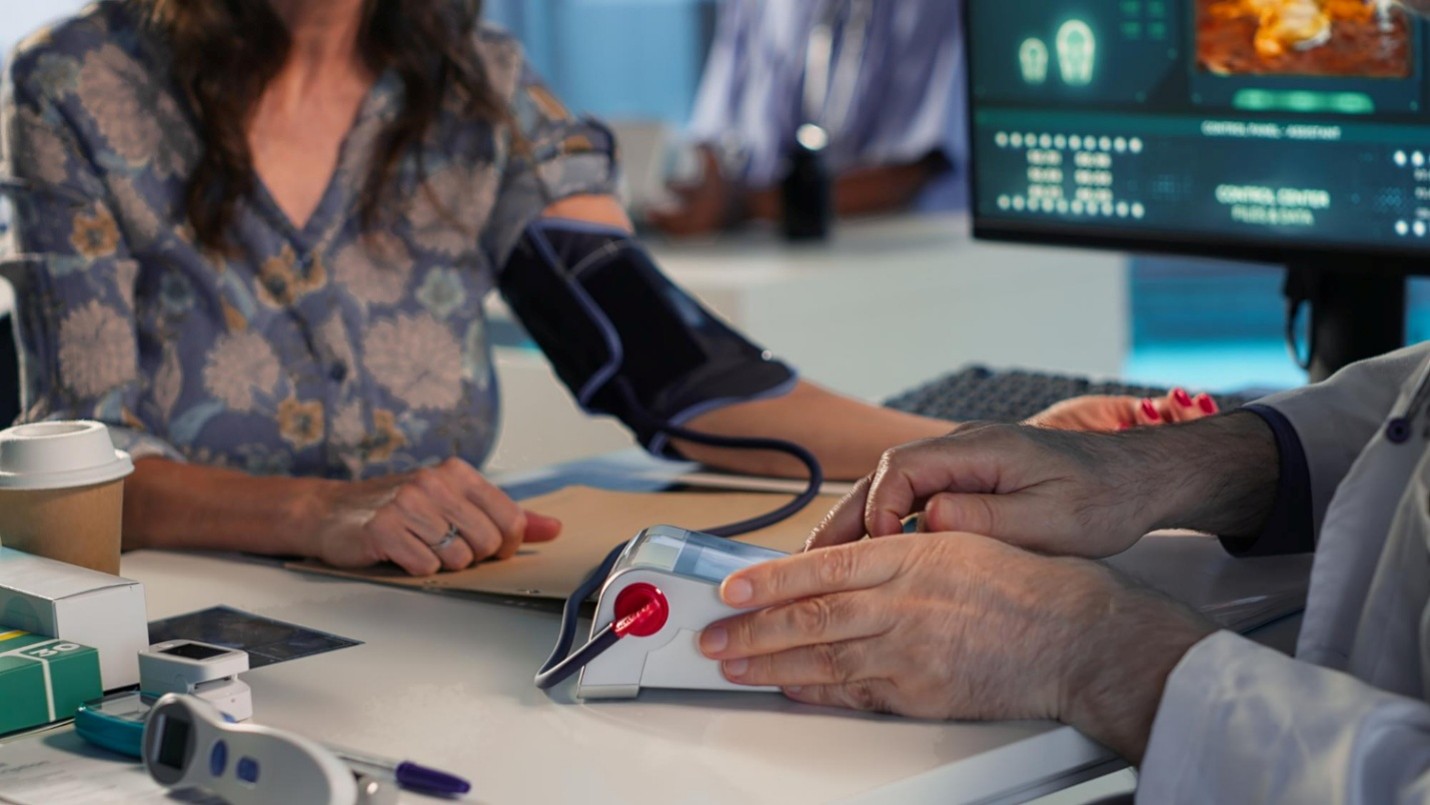
High blood pressure or hypertension is one of the most prevalent health problems in the world today. Many people may have high blood pressure without knowing it because it usually does not have any symptoms. If not managed, high blood pressure can lead to life-threatening cardiovascular issues such as heart disease, stroke and other complications over time. Prevention and management of these risks are therefore important areas of medical research to develop effective ways.
In this process, clinical trials are at the heart. They enable researchers to study potential treatments in a controlled environment, and gather evidence on the effectiveness of the treatments, how they should be used and what risks may be present. This study will help scientists and health care professionals better understand the nature of hypertension and possible new treatments.
Why Clinical Research Is Important for Hypertension
A lot of things can mess with your blood pressure — genetics, age, what you eat, how much you move, your weight, stress, how your kidneys are doing, and other health issues. Because of all this, a treatment that helps one group of people might not work the same way for another.
That’s where clinical research steps in. Instead of guessing from lab results or theories, clinical trials test treatments on real people dealing with these problems. Researchers get to see if a treatment lowers blood pressure and if those results last. They also look at how the new treatment mixes with other meds and whether certain people respond differently than others.
How a Hypertension Clinical Trial Works
There are typically a series of steps that are followed in clinical trials. Researchers perform earlier studies to collect data and information about the safety and biological effects of a potential treatment, before it is tested with larger groups of people. If the results are positive for further investigation, the treatment can go to various stages of clinical trials.
Study participants can go through an initial screening process in a hypertension study. This may involve checking blood pressure, assessing medical history, physical examination and tests appropriate to the study.
The researchers then observe the participants based on a study protocol that has been established. The treatment that a participant receives in a trial could be an investigational treatment, an approved treatment, a placebo or another treatment to compare with an investigational treatment. The researchers take blood pressure measurements and watch for side effects or other health issues.
Some studies are just about treatment’s effect on reducing blood pressure, and others are about longer-term cardiovascular effects. This is significant, because reducing blood pressure isn’t the only way to assess the effectiveness of a treatment.
Comparing New Treatments With Existing Approaches
Clinical research really hinges on making comparisons. Scientists want to see how a new treatment stacks up against what’s already out there or against a control group. Say they’re testing a fresh intervention, they’ll put it up against the usual therapy to check if it does any better. Sometimes, the focus is on people whose blood pressure stays high even after taking standard meds. Here, researchers try to find out if the new approach helps. These head-to-head studies give real evidence, showing if the new treatment delivers genuine improvement, not just some random change in a lab setting.
People interested in the research process may come across terms such as Blood pressure clinical trials when looking for studies investigating new approaches to hypertension. Each study has its own eligibility requirements, objectives, treatment methods, and monitoring procedures, so the results of one trial should not automatically be applied to every person with high blood pressure.
Safety Monitoring Is a Major Part of Clinical Research
But effectiveness is just one measure to use for assessing a treatment. Safety is also a consideration.
In a clinical trial, researchers observe people for any problems or changes in health. Details of the monitoring procedures vary depending on the study but can involve regular blood pressure checks, blood tests, physical checks, questionnaires, and follow-up appointments.
Research protocols are designed to ensure that clinical trials are carried out in a way that ensures the safety of the participants and that valuable research data can be gathered. Responsible clinical research also involves ethical oversight and informed consent.
Participants are informed about the study prior to making the decision to participate. This enables them to learn about the aim of the research, what is involved in their participation and possible risks and benefits.
Studying People With Uncontrolled Hypertension
Some hypertension research is directed specifically toward individuals whose blood pressure cannot be lowered to the desired level despite treatment. This group is especially significant because some people may be unable to keep their blood pressure under control with just the current methods.
The researchers can study the mechanisms underlying this individual susceptibility to persistent hypertension and determine whether other therapeutic approaches are effective in gaining more control.
Other vascular disease and/or cardiovascular risk factor subjects may also be studied. Specific patient groups enable researchers to answer very specific questions and determine if there are specific treatments that could be suitable for that group.
From Clinical Trial Results to Medical Knowledge
Just because a treatment goes through a clinical trial doesn’t mean you’ll see it at your local pharmacy right away. First, researchers must dig into the data to see if the treatment really works and if it’s safe. One study alone doesn’t settle things, either. Researchers line up results from different trials, compare notes, and often run extra studies to clear up any questions that pop up.
Regulators look at all this evidence when deciding if a new medicine or treatment gets the green light for specific uses. Sometimes a study doesn’t deliver hoped-for results, but that’s still useful. Even negative or murky findings can stop people from chasing dead ends and steer future research in better directions.
Why Hypertension Research Continues
There are plenty of treatments out there for high blood pressure, but it’s still tough to get it under control for everyone. That’s why scientists keep looking for new answers. They’re digging into different biological pathways, testing out new ways to give medication, and trying various strategies to cut down the risk of heart problems.
As medicine moves forward, new options pop up that don’t always fit the old mold. But ideas are just the start—you need proof. That’s where clinical trials come in. They don’t just test whether something works; they show if it’s safe in real patients, not just in theory.
Clinical trials really connect the dots between what works in the lab and what doctors do in their offices. They help turn interesting ideas into solid evidence and sort out what’s truly helpful from what’s just hype, all while keeping an eye on safety.
With high blood pressure, the stakes are high. Success isn’t just about getting someone’s numbers down for a single doctor.