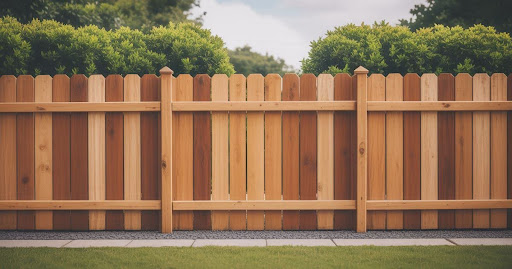
We all agree that noise pollution can make life stressful. Whether it’s traffic, loud neighbors, or busy surroundings, unwanted sound can disturb your comfort and peace. The good news? There is a solution, Acoustic fencing is designed to reduce noise while adding style and privacy to your property. In this article, we’ll explain what acoustic fencing is, how it works, and why it is the perfect choice for creating a quieter and more secure space.
What is Acoustic Fencing?
Acoustic fencing is a specially designed fence system that reduces sound levels by blocking or absorbing noise. Unlike regular fences, acoustic fencing uses unique panels and construction methods to create an effective noise barrier. These fences not only block sound but also enhance privacy and improve the property’s appearance. They are often made from strong, durable materials such as timber, composite, or concrete, and are engineered to prevent sound waves from passing through or over them.
How Does Acoustic Fencing Work?
The science behind acoustic fencing is fairly simple but very effective. Sound travels in waves, and when these waves hit a barrier, some of the noise is reflected, some is absorbed, and some may travel through. Acoustic fences are designed to:
- Block sound – By using solid, dense panels that reflect sound towards the source.
- Absorb sound – Many acoustic panels are designed with materials that absorb vibrations and stop echoes.
- Prevent leaks – The panels are installed without gaps, making sure there are no spaces for noise to pass through.
The result is a significant reduction in noise levels, creating a quieter and more peaceful environment.
Benefits of Acoustic Fencing
Acoustic fencing is not just about reducing sound—it brings multiple benefits to both residential and commercial spaces. For example:
- Noise Reduction: It can cut down traffic noise, construction noise, or sounds from nearby properties.
- Privacy: Taller acoustic fences help create private outdoor areas where you can relax without interruption.
- Design Appeal: Modern acoustic fences are available in attractive finishes, so they not only function well but also look stylish.
- Durability: High-quality materials and coatings make them resistant to weather conditions and wear.
- Property Value: Homes and businesses with quieter, more private spaces are often more desirable.
Acoustic Fencing vs Standard Fencing
It is important to understand the difference between standard fencing and acoustic fencing. Standard fences mark boundaries or add some privacy. However, they are not engineered to control sound. Acoustic fences have extra thickness, stronger materials, and sealed joints. This results in a significantly higher noise reduction rating. If sound control is your priority, acoustic fencing is the superior option.
Common Applications of Acoustic Fencing
Acoustic fencing is versatile and can be used in many different environments:
- Residential Properties: Perfect for gardens and driveways, especially near busy roads.
- Schools and Playgrounds: Helps create safer and quieter spaces for children.
- Commercial Properties: Reduces distractions from nearby traffic or industrial activity.
- Industrial Areas: Essential for factories and warehouses where machinery creates constant noise.
- Public Spaces: Parks, sports venues, and community areas also benefit from quieter surroundings.
Materials Used in Acoustic Fencing
Several materials can be used to build acoustic fences, each offering unique benefits:
- Timber Panels: Provide a natural appearance while offering effective sound absorption.
- Composite Boards: A modern option that combines durability with low maintenance.
- Concrete Panels: Strong, long-lasting, and highly effective against heavy noise.
- Metal Frames with Acoustic Inserts: Suitable for modern projects needing robust security and noise control.
Each of these materials can be tailored to match design preferences, ensuring both performance and style.
Installation of Acoustic Fencing
For acoustic fencing to work properly, installation must be done carefully. Key points include:
- Height Matters: Taller fences block more sound, especially from vehicles and machinery.
- Solid Support Posts: Heavy-duty posts are needed to carry the weight of thick panels.
- No Gaps: Even small openings can reduce performance, so panels must be sealed tightly.
- Professional Installation: While small projects can be DIY, larger fences should be installed by professionals to ensure maximum effectiveness.
Maintenance and Long-Term Care
One of the benefits of acoustic fencing is that it requires little maintenance. With the right care, these fences can last for decades. General tips include:
- Cleaning panels a few times a year to keep them looking fresh.
- Inspecting for any loose fittings or damage after storms.
- Treating or re-coating timber fences every few years to prevent rot.
- Keeping plants or hedges from growing too close can cause damage over time.
Why Choose Acoustic Fencing?
Acoustic fencing is not just a barrier—it’s an investment in comfort and quality of life. Reducing noise creates a more relaxing environment. Adding height and density, it improves security and privacy. By offering modern, attractive designs, it enhances the appeal of your property. For anyone struggling with unwanted noise, acoustic fencing is one of the most effective and stylish solutions available today.
Conclusion
Noise pollution can ruin outdoor spaces, but you don’t have to accept it as part of daily life. Acoustic fencing offers a proven way to reduce unwanted sound, enhance privacy, and boost property value. Whether you need a quiet garden, a safe school environment, or a more peaceful commercial space, acoustic fencing is the answer. Investing in this solution means investing in lasting comfort and peace of mind.