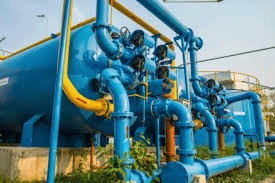
Chemical dosing is an essential part of many industrial processes. Whether adjusting pH, disinfecting water, neutralising waste streams or adding precise amounts of additives to a product, controlled chemical injection ensures consistency, safety and efficiency.
At the centre of this process sits chemical dosing pumps, a highly accurate piece of equipment designed to deliver precise volumes of chemicals into a system.
This article explains what chemical dosing is, why it is important and the main types of dosing pumps used across different industries.
What Is Chemical Dosing
Chemical dosing is the controlled and measured introduction of a chemical into a fluid or process stream. Instead of adding a chemical manually, which risks over-treating or under-treating, dosing pumps automate and regulate the process.
Common reasons for chemical dosing include:
- Adjusting the acidity or alkalinity of water
- Adding disinfectants or sanitising agents
- Treating wastewater by dosing flocculants or coagulants
- Preventing corrosion in boilers or cooling towers
- Adding specific chemicals to manufacturing lines for consistency
Accurate dosing protects equipment, ensures safety, improves quality and reduces chemical waste. It also supports compliance with regulatory standards in sectors such as water treatment, food production and industrial processing.
How Chemical Dosing Pumps Work
Chemical dosing pumps are typically positive displacement pumps. This means they deliver a fixed amount of chemical every cycle. By adjusting the pump stroke length, speed or motor frequency, operators can control exactly how much chemical is dispensed.
A typical dosing system includes:
- A chemical storage tank
- The dosing pump
- Suction and discharge tubing
- Non return valves to maintain consistent flow
- An injection point where the chemical enters the main stream
- Optional control systems to automate the dosing rate
Materials are carefully chosen to resist corrosion, as dosing often involves aggressive chemicals such as acids, alkalis, oxidising agents or solvents.
Types of Chemical Dosing Pumps
Different industries require different dosing solutions. Below are the main types of pumps used for chemical dosing and the situations where they work best.
Diaphragm Dosing Pumps
Diaphragm pumps are the most widely used type for chemical dosing. They use a flexible diaphragm that moves back and forth to draw in and push out a measured amount of chemical.
Advantages
- Highly accurate dosing
- Excellent chemical resistance
- No internal sliding seals, so leakage risk is reduced
- Suitable for a wide range of chemicals, including corrosive media
Typical Uses
Water treatment, pH correction, chlorine dosing, additives in manufacturing, boiler treatment and wastewater processing.
Plunger or Piston Dosing Pumps
Plunger pumps use a reciprocating piston to move a specific volume of chemical with every cycle. They are robust and capable of generating higher pressures.
Advantages
- Very accurate and consistent dosing
- Suitable for high pressure applications
- Good for clean, low viscosity chemicals
Typical Uses
Industrial processes where chemical injection must occur against high back pressure, chemical manufacturing and some oil and gas applications.
Peristaltic Pumps
Peristaltic pumps use rollers that compress a flexible tube, pushing the chemical forward. The chemical only touches the inside of the tube, making the pump ideal for aggressive or particulate-laden fluids.
Advantages
- Simple maintenance
- Very good for abrasive chemicals or fluids with solids
- No risk of contamination as the fluid never meets mechanical parts
Typical Uses
Wastewater treatment, sludge handling, slurries, harsh chemical dosing and applications that require strong containment.
Choosing The Right Chemical Dosing Pump
Selecting the correct dosing pump depends on several factors:
- Chemical compatibility
It is vital that all wetted parts are resistant to the chemicals being used. Strong acids or alkalis require specialist materials.
- Flow rate and accuracy
For very precise dosing, such as pH control, diaphragm pumps are ideal. For higher pressures, plunger pumps may be the better choice.
- Fluid characteristics
Thick, abrasive or particulate filled fluids suit peristaltic pumps best.
- System pressure
The pump must be able to inject chemicals into the process line even when pressures fluctuate.
- Maintenance requirements
Peristaltic pumps are often chosen where fast and simple maintenance is needed.
- Level of automation
Many modern dosing pumps can be integrated into automated control systems for remote monitoring and adaptive dosing.
Benefits Of Using Chemical Dosing Pumps
Chemical dosing pumps offer several key benefits:
Precision
They deliver exact dosages, improving process quality and reducing chemical waste.
Safety
By limiting manual handling and reducing the risk of spills, dosing pumps make chemical management safer for operators.
Consistency
Automated dosing ensures that treatment levels remain stable, even in processes that run continuously.
Cost efficiency
Because the correct amount of chemical is used every time, running costs are reduced and plant efficiency improves.
Regulatory compliance
Accurate dosing helps organisations meet environmental and safety standards, particularly in water treatment and industrial discharge.
Industries That Use Chemical Dosing Pumps
Chemical dosing pumps are used in a wide range of sectors, including:
- Water and wastewater treatment
- Industrial manufacturing
- Food and beverage processing
- Pharmaceutical production
- Agriculture and horticulture
- Energy, boilers and cooling towers
- Chemical production and blending
In each case the goal is the same – to introduce a chemical safely, accurately and consistently.
Conclusion
Chemical dosing pumps play a vital role in helping industries maintain quality, safety and efficiency. Whether protecting a boiler, treating drinking water or supporting a manufacturing process, they ensure that chemicals are delivered exactly as required.
With accurate control, strong chemical resistance and reliable operation, they are an essential part of modern industrial systems.
For organisations looking for high performance dosing equipment, Chem Resist offers a comprehensive range designed for demanding applications.