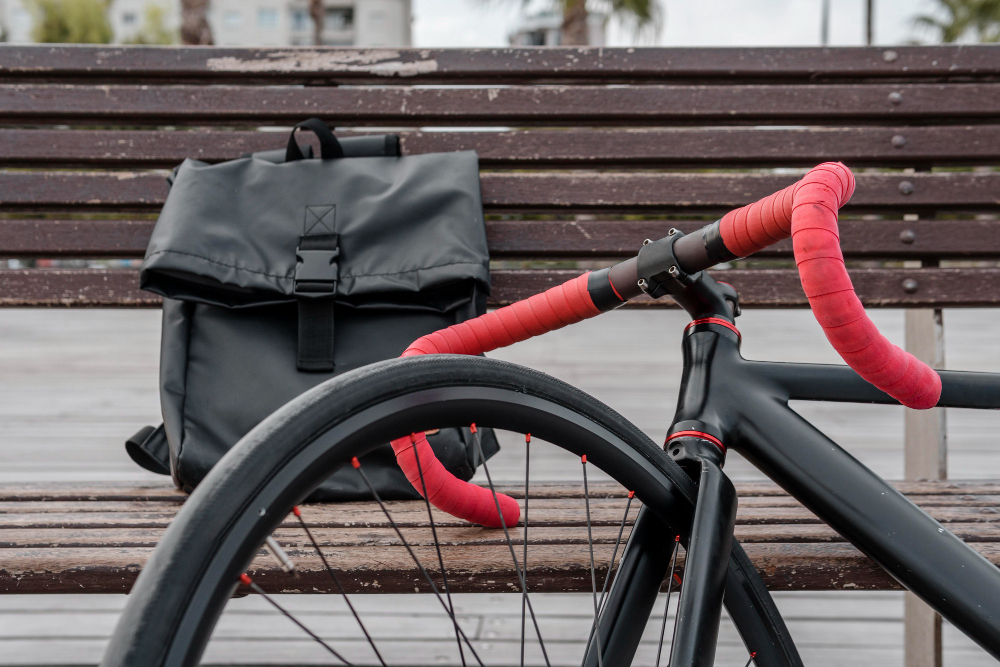
Bicycle bags are specially designed luggage that are attached to a bicycle. It provides a perfect solution for carrying different types of personal items, groceries or work tools. These bags are of different types and help cyclists carry things without worrying about safety and balance. These bags come in many types, including small saddle bags, handlebar bags, frame bags, and large pannier bags, often featuring weatherproofing and specific designs for different riding needs. In this blog, we will explore different types of cycling bags, the importance of cycling bags and how to choose the right bags for your needs.
What Are the Types of Cycling Bags
Cycling bags come in different styles; each has specific uniqueness and purpose. Here are some main types of cycling bags.
Frame bags
These bags fit directly into your bicycle and give additional storage possibilities and capacity. The best thing about these bags is the customisation option, and many cyclists customised them according to their needs and personalities. Frame bags come in different types.
Full Frame Bags: A full-frame bag will almost completely fill the space within your frame triangle and provide the largest capacity of the types available.
Half Frame Bags: A half-frame bag is suspended from your top tube, usually with additional straps that attach to your down tube and seat tube to help hold it in place.
Wedge bags: A wedge bag fills the space between your top tube, head tube and down tube at the front of your bike, without extending all the way back to your seat tube.
Pannier Bags
Pannier bags are large, durable bags that attach to a bike’s stand to carry large amounts of stuff on a bike ride. These are the best option for long rides and heavy loads where backup is impractical, though they add weight and change handling.
Bicycle Rack Top Bag
The bicycle rack top bags are also often called trunk bags, which fit right on the top of the bike rack and are one of the perfect options for daily rides and lighter loads. Many models, like the popular Velotric Rack Top Bag, have zip-outside pockets that fold down to work like small panniers, giving you great versatility.
saddle bags
A saddle bag is a pocket-like storage pack that attaches directly under the seat of your bike. These are also called bike seat bags, and are the first storage solution that riders try. They’re perfect for carrying the basics you need on every ride, like a spare tube, multi-tool, and tyre levers.
What are the benefits of cycling bags?
Cycling bags are convenient, body-free storage for essentials, improving comfort, safety, and bike handling by replacing bulky backpacks. It protects gear from weather, providing easy access, and allowing cyclists to carry tools, food, or groceries efficiently for commuting, touring, or bikepacking. They spread the weight evenly across your body, help you stay steady, and make it easy to find and reach your stuff while you’re moving.
Key Benefits of Cycling Bags:
- Enhanced Comfort & Handling: During a long drive, it can carry gear without effort, improve balance and reduce strain.
- Protection: Keep belongings safe from rain, mud, dust, and impacts, with many models being water-repellent.
- Convenience & Organisation: It is perfect for quick adjustments or refuelling and storing tools, snacks, phone, and maps for easy access without stopping.
- Versatility: Available in many types for different needs, from daily commutes to multi-day adventures.
- Safety: Some bags include reflective elements or light mounts, increasing visibility, and can hold first-aid kits or emergency tools, keeping you prepared.
- Bike Protection: Transporting bikes in bike bags protects them from scratches during travel.
How to Choose the Right Cycling Bag?
Choosing the right bag depends on the bike, bike type, storage needs, and the distance of riding. When choosing the bags, the following things must be considered.
Location on the bike: based on your strong need and bike setup, determine whether you need a frame, saddle, trunk, or pannier.
Waterproofing and weather resistance: while commuting or touring, make sure the bags protect the items from rain, mud, and road spray.
Accessibility: Consider how quickly you can reach items while riding, which is important for snacks, tools, or electronics.
Weight: Lighter bags improve efficiency, especially for road cycling or climbing.
Conclusion
Choosing the right type of cycling bags will prevent you from stress during riding while commuting, touring, or shopping. The right bag can help a cyclist carry things without worrying about safety and balance. They distribute weight better, enhance stability, and keep items organised and accessible on the go.