Exploring Employment and Management Opportunities in Intermodal Freight Transportation

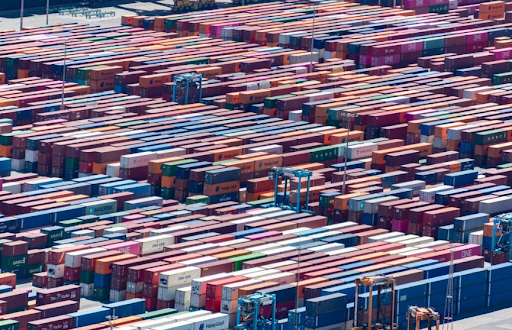
Intermodal freight transportation represents a complex intersection of logistics, technology, and operational management where multiple transportation modes converge to move goods efficiently across vast distances. This sector demands professionals who understand regulatory frameworks, coordinate intricate supply chains, and leverage sophisticated tracking systems. As global trade expands and e-commerce reshapes distribution networks, the industry faces both workforce challenges and emerging opportunities. What specific roles drive these operations, and which skills determine success in this evolving landscape?
Understanding the Intermodal Freight Transportation Model
Intermodal freight transportation coordinates the movement of cargo through multiple carriers using standardized containers that transfer between ships, trains, and trucks without handling the goods inside. This system reduces loading times, cuts damage risks, and lowers labor costs compared to traditional shipping methods that require unpacking and repacking at each interchange point.
The model operates through integrated networks where marine terminals receive containers from vessels, rail operators transport them across continents, and trucking companies complete final deliveries to warehouses or distribution centers. Each mode serves specific route segments based on distance, speed requirements, and infrastructure availability. Professionals in this field manage documentation, track shipments across multiple carriers, negotiate rates with transport providers, and guarantee regulatory compliance at international borders and domestic checkpoints.
Career Paths and Skill Requirements in Intermodal Operations
The intermodal freight sector employs logistics coordinators, operations managers, terminal supervisors, freight brokers, and customs compliance specialists. These professionals coordinate shipments across rail, truck, and ocean carriers while managing documentation, schedules, and equipment transfers.
Entry-level positions require knowledge of transportation regulations, supply chain principles, and freight tracking systems. Candidates must calculate rates, negotiate contracts, and resolve delivery delays. Mid-level roles demand expertise in terminal operations, including container handling, equipment maintenance scheduling, and workforce supervision.
Advanced positions require professionals to analyze route efficiency, monitor carrier performance metrics, and direct multi-modal networks. Critical skills include proficiency in transportation management software, understanding of international trade regulations, and ability to audit shipping documentation. Professional certifications in logistics, supply chain management, and customs brokerage strengthen employment prospects within this specialized industry.
Exploring Intermodal Trucking Jobs Across Regional and Long-Haul Routes
Trucking positions in intermodal freight divide into two primary categories based on distance and delivery patterns. Regional drivers transport containers within defined territories, typically operating within a 250-mile radius of their home terminal. These professionals complete daily routes, returning home each night while earning consistent schedules and predictable income.
Long-haul drivers move freight across multiple states or throughout entire regions, spending extended periods away from home. These positions demand greater flexibility and offer higher compensation to offset prolonged absences. Both categories require commercial driver’s licenses with proper endorsements, clean driving records, and demonstrated ability to operate specialized chassis equipment. Intermodal trucking jobs continue to grow as shippers rely on rail-to-road freight solutions to improve efficiency and reduce transportation costs. Regional roles attract drivers seeking work-life balance, while long-haul positions appeal to professionals prioritizing earning potential and geographic variety in their assignments.
The Role of an Intermodal Trucking Agent in Coordinating Shipments
Agents coordinate shipments between rail terminals, ocean ports, and final destinations by managing documentation, scheduling pickups, and directing driver assignments. They communicate with shippers to confirm container availability, verify weight restrictions, and arrange equipment for specialized cargo. Agents track containers through GPS systems, monitor delivery windows, and resolve delays caused by port congestion or weather conditions.
The position requires agents to negotiate rates with carriers, process bills of lading, and maintain compliance with Department of Transportation regulations. They handle customer inquiries, update shipment status reports, and coordinate with customs brokers for international freight. An intermodal trucking agent serves as the central point of contact ensuring seamless communication and execution across all transportation modes. Agents use transportation management software to allocate resources, calculate routes, and document delivery confirmations. Many companies require prior experience in freight logistics or supply chain operations before hiring agents for intermodal coordination positions.
Technology and Data Systems Supporting Intermodal Logistics
Transportation management systems process shipment orders, assign containers to carriers, and track freight movements across rail networks, ports, and highway routes. GPS devices monitor container locations in real-time, while automated notification systems alert dispatchers to delays or route deviations.
Electronic data interchange platforms transmit shipping documents, customs clearances, and billing information between trucking companies, rail operators, and ocean carriers. Warehouse management software coordinates container storage, retrieves inventory data, and schedules equipment for loading operations. Analytics tools measure transit times, calculate fuel costs, and identify bottlenecks in supply chain operations.
Terminal operating systems direct crane movements, allocate yard space, and sequence container transfers between transport modes. Integration of these data systems enables logistics managers to forecast capacity needs, reduce empty container repositioning, and respond to disruptions in freight networks.
Workforce Development, Training, and Safety Considerations
Intermodal freight operations require workers to complete specialized certification programs that address container handling, hazardous materials regulations, and equipment operation protocols. Transportation companies partner with technical schools and community colleges to train crane operators, chassis mechanics, and terminal supervisors in standard procedures. Workers must maintain current commercial driver’s licenses with specific endorsements for tanker and hazmat cargo.
Safety programs monitor incident rates at rail yards and distribution centers where employees handle heavy containers and operate forklifts near moving equipment. Management identifies skill gaps through performance assessments and schedules remedial training sessions. Federal regulations mandate annual refresher courses covering lockout-tagout procedures, personal protective equipment requirements, and emergency response plans. Employers track completion rates and audit documentation to verify compliance with Occupational Safety and Health Administration standards.
Growth Outlook and Advancement Opportunities in Intermodal Transportation
The Bureau of Labor Statistics projects employment in freight transportation will expand by 4 percent through 2032, creating openings for terminal managers, logistics coordinators, and operations analysts. Entry-level positions include yard coordinator and container tracking specialist roles that lead to supervisory responsibilities within three to five years.
Professionals who complete certification programs in transportation management or supply chain operations qualify for mid-level coordinator positions. Terminal managers who demonstrate cost reduction capabilities and operational efficiency advance to regional director roles overseeing multiple facilities. Operations analysts who interpret shipping data and identify routing improvements progress to strategic planning positions.
Intermodal companies prioritize candidates who hold commercial driver’s licenses, understand freight regulations, and operate terminal management software. Cross-training in rail operations, trucking dispatch, and warehouse management accelerates career progression.