Gerhard Berger: The Fearless Speed Icon Who Defined an Era of Formula One
A powerful story of courage, consistency, and character in the high-risk world of elite motorsport

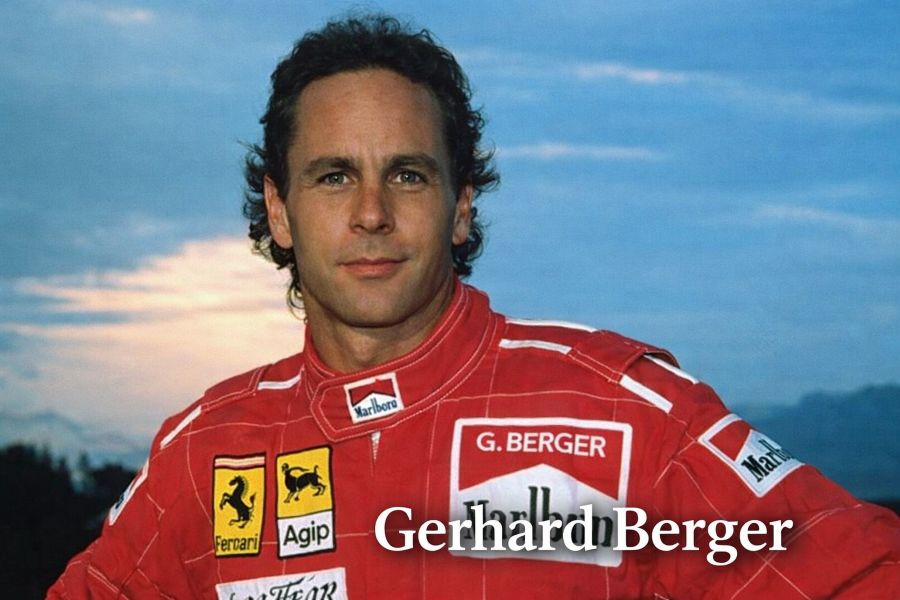
Table of Contents
ToggleIntroduction
Gerhard Berger stands as one of the most respected and recognizable names in the history of Formula One. Known for his bravery, longevity, and calm professionalism, he earned admiration not only for his race wins but also for surviving some of the most dangerous moments in modern motorsport. His career spanned dramatic technological changes, intense rivalries, and shifting team dynamics, yet he remained a constant symbol of resilience.
As an Austrian former race car driver, Gerhard Berger built a legacy that extends far beyond statistics. He competed against legends, represented iconic teams, and later transitioned into influential leadership roles that shaped motorsport after his retirement. His journey reflects both the glory and the harsh realities of elite racing, making his story compelling, balanced, and deeply human.
Early Life and Background
Gerhard Berger was born on 27 August 1959 in Wörgl, Tyrol, Austria. Raised in a hardworking environment, he grew up around machinery and vehicles, which naturally fueled his interest in motorsport from a young age. His father operated a haulage business, and Berger spent time learning practical mechanical skills, developing a strong technical understanding long before entering professional racing.
During his early years, Berger completed his formal education in Austria and trained as a motor vehicle mechanic. This hands-on foundation played a crucial role in shaping his racing intelligence, allowing him to understand not only how to drive fast but also how cars behave under extreme conditions. His early exposure to mechanics would later make him a valuable asset to every team he drove for.
Quick Bio
| Detail | Information |
|---|---|
| Full Name | Gerhard Berger |
| Date of Birth | 27 August 1959 |
| Birthplace | Wörgl, Tyrol, Austria |
| Nationality | Austrian |
| Profession | Former Formula One driver, motorsport executive |
| Active F1 Years | 1984–1997 |
| Race Wins | 10 |
| Teams Driven For | ATS, Arrows, Benetton, Ferrari, McLaren |
| Post-Racing Roles | Motorsport management and leadership |
Start of Racing Career
Gerhard Berger began his competitive racing career in the late 1970s, initially competing in touring car events and junior single-seater categories. His natural speed, combined with technical discipline, quickly separated him from his peers. Progressing through Formula Ford and Formula 3, he demonstrated consistency and composure rather than reckless aggression.
This steady rise earned him a place in Formula One, where opportunities were scarce and competition was unforgiving. Berger’s early career was not built on hype but on results, preparation, and patience—qualities that would define his professional identity throughout his racing life.
Formula One Career Overview
Entry into Formula One
Gerhard Berger made his Formula One debut in 1984, marking the beginning of a career that would span 14 seasons. His early years were challenging, involving teams with limited resources, but they provided essential experience and exposure to the highest level of motorsport.
Despite modest machinery, Berger’s speed and racecraft caught attention, leading to opportunities with stronger teams and setting the stage for his breakthrough.
Breakthrough and Race Victories
Berger achieved his first Formula One victory in 1986, a milestone that also marked a historic moment for his team. From that point onward, he established himself as a consistent front-runner capable of winning races across different tracks and conditions.
Driving for some of the sport’s most iconic teams, he collected 10 Grand Prix victories, numerous podium finishes, and several pole positions. While he never secured a world championship, his performances were often shaped by team strategy, evolving regulations, and fierce competition.
Racing Style and Reputation
As an Austrian former race car driver, Berger was admired for his fearless approach combined with tactical intelligence. He was known for pushing cars to their limits while maintaining mechanical sympathy—an increasingly rare skill during an era of rapid technological change.
Off the track, he was respected for his professionalism and sense of humor, earning strong relationships within the paddock. On the track, he was relentless, dependable, and mentally tough.
Major Accident and Recovery
One of the most defining moments of Berger’s career came during a high-speed accident in 1989, when his car caught fire following a crash. The incident shocked the racing world and highlighted the extreme dangers drivers faced at the time.
Berger survived with burn injuries and returned to racing after recovery, demonstrating remarkable courage and determination. This episode cemented his reputation as a driver who understood risk but refused to be defined by fear.
Later Career and Final Seasons
As Formula One evolved through the 1990s, Berger adapted to new technologies, team structures, and younger competitors. His final seasons were marked by experience and leadership rather than raw aggression, and he remained competitive until his retirement in 1997.
His final race victory came late in his career, serving as a powerful reminder of his enduring skill and commitment. Berger retired with respect from fans, rivals, and teams alike.
Life After Formula One
Following retirement, Berger transitioned smoothly into motorsport management and leadership roles. He held senior positions within racing organizations, contributed to team ownership, and played an active role in shaping the future of single-seater racing.
His post-racing career demonstrated that his influence extended beyond driving. He became known as a strategic thinker capable of balancing commercial realities with sporting integrity.
Legacy and Impact
Gerhard Berger’s legacy is defined not by championships but by longevity, bravery, and contribution. He raced in one of the most dangerous periods of Formula One and helped bridge the gap between old-school racing and modern professionalism.
As an Austrian former race car driver, he inspired a new generation of racers from his country and proved that consistency and character can be as valuable as titles. His story remains a testament to resilience, adaptability, and respect earned over time.
Conclusion
Gerhard Berger’s journey through Formula One reflects the true spirit of motorsport—where talent, courage, and endurance intersect. He faced setbacks, survived life-threatening incidents, and continued to compete at the highest level with dignity and determination.
His career, both on and off the track, stands as a powerful example of how success in sport is measured not only by trophies but by impact, integrity, and influence. Gerhard Berger remains a name synonymous with strength, professionalism, and lasting respect in the world of racing.
Frequently Asked Questions
Who is Gerhard Berger?
Gerhard Berger is an Austrian former race car driver who competed in Formula One from 1984 to 1997 and later became a motorsport executive.
How many Formula One races did Gerhard Berger win?
He won 10 Formula One Grand Prix races during his professional career.
Which teams did Gerhard Berger race for?
He raced for several teams, including ATS, Arrows, Benetton, Ferrari, and McLaren.
Was Gerhard Berger ever a world champion?
No, he did not win a Formula One World Championship, but he remained one of the most competitive and respected drivers of his era.
What did Gerhard Berger do after retiring from racing?
After retiring, he moved into motorsport management and leadership roles, contributing to team ownership and racing governance.