How Premium Pet Breeders Are Building Luxury Brands: Inside the Marketing Strategies of Niche Animal Enterprises

Luxury branding isn’t just for watches, whisky, and hotels with weirdly small soaps. It’s crept, quietly, then all at once, into niches most founders ignored for years, including premium pet breeding, where “product quality” is emotional, reputation-driven, and brutally easy to fake online.
And yes, people will pay four figures for a kitten.
“Luxury” in breeding isn’t a vibe. It’s an engineered system.
When you strip away the fluffy language, premium breeders win on the same three levers every luxury operator uses: documented provenance, controlled scarcity, and a customer experience that feels curated rather than transactional (even though it absolutely is transactional).
That’s the whole trick.
If you want a clean, real-world example of how this gets packaged, breed education, health/testing signals, pedigree language, reservation flow, and the “we’re not a mill” subtext baked into the UX, scan a page like MeoWoff’s British kittens for sale and look at what it’s really doing: reducing perceived risk while still selling aspiration.
Not subtle. Just effective.
Step one: pick a niche that can carry a premium story
No one builds a luxury brand by saying “we sell pets.” That’s commodity talk. Premium breeders go narrow, British Shorthair, British Longhair, specific coat colours, specific lines, because niche selection is positioning, and positioning is a moat when every competitor can copy your Instagram style in an afternoon.
Small category. Big margins.
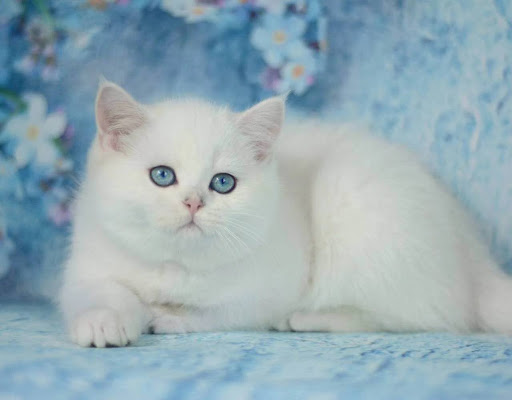
British Shorthairs and Longhairs are a perfect case study because the breed itself comes pre-loaded with brandable traits: round face, plush coat, that “teddy bear” look, calmer temperament, the kind of animal that photographs like it already has a publicist.
It sells itself. Almost.
Breed narrative = product narrative
Premium operators don’t just list “British Shorthair kitten available.” They narrate: temperament, family fit, apartment suitability, grooming load (Longhair owners get a reality check), and the difference between pet-quality and show-line language without sounding like they’re reading from a registry handbook.
That’s content marketing doing sales.
Trust architecture: paperwork, proof, and “scam-proofing” by design
Breeding sits in one of those awkward markets where the demand is emotional and the buyer risk is high, scams, sick animals, fake paperwork, bait-and-switch photos. So the premium brand isn’t built on “cute.” It’s built on tight trust signals stacked so high they feel boring.
Boring converts.
- Registry credibility: CFA/TICA/WCF mentions aren’t decoration. They’re shorthand for “there’s a system outside our website verifying we exist.”
- Lineage transparency: champion bloodlines, imported European lines, titles, used carefully, function like provenance in wine.
- Health protocols: vet checks, vaccinations, deworming, microchipping, genetic screening, written health guarantees.
- Living environment cues: home-raised, socialised, early handling, kitten milestones, not just “kennel shots.”
And then there’s the underrated one: contracts.
A contract is a brand statement.
“Champion bloodline” isn’t magic. It’s marketing shorthand.
Here’s the slightly uncomfortable truth: plenty of buyers don’t care about show titles in a practical sense. They care about what the title implies, selective breeding discipline, standards, less randomness, more predictability.
Predictability is luxury.
So premium breeders translate “champion line” into benefits normal people actually want: stable temperament, breed-standard traits, fewer surprise health disasters, and a clearer sense of what the adult cat will look like.
No fairy tales. Just framing.
Content that sells without sounding salesy (most of the time)
Luxury breeders don’t rely on marketplaces long-term. They build owned media because it’s the only place they control the narrative, the proof, and the conversion path, especially when platforms randomly throttle reach or decide your “available kittens” post looks like commerce.
Platforms are fickle.
On-site, the high-performing pattern usually looks like this:
- Education hub: breed traits, care guides, “British Shorthair vs British Longhair,” grooming expectations, allergies (careful with claims), common questions.
- Proof hub: vet records outline, genetic testing approach, what the health guarantee covers, registry documentation, parent cat pages.
- Inventory hub: available kittens pages with clear photos, realistic descriptions, pricing cues (or at least ranges), and what’s included.
- Process hub: inquiry → qualification → deposit → contract → pickup/delivery → aftercare.
That’s not “blogging.”
That’s pre-sales enablement.
Photography is not decoration. It’s due diligence.
Luxury pet branding lives and dies on visuals because the buyer is evaluating health, temperament, and legitimacy through a screen, which is absurd when you think about it, yet that’s the market now.
So quality wins.
Premium breeders invest in consistent lighting, repeatable angles, clean backgrounds, and video that proves the kitten is real (moving, reacting, interacting). They also show “normal moments,” not just perfect posed shots, because over-produced content screams scam.
Yes, even in luxury.
Scarcity marketing without being gross about it
Scarcity is baked into ethical breeding. You can’t scale living animals like you scale SaaS seats, and anyone who tries ends up looking like a production line. Luxury breeders lean into that constraint: limited litters, waitlists, reservation deposits, qualification steps, and, this is the big one, saying “no” to buyers who feel off.
Saying no is branding.
The waitlist becomes social proof, but it also becomes a filter: serious buyers tolerate friction. Time-wasters don’t. That alone improves CAC efficiency because you stop burning hours on endless DMs that die the second you mention a deposit.
Friction is a feature.
Pricing strategy: value-based, not “because we can”
Premium pricing gets justified in layers: tested parents, documented pedigree, socialisation time, veterinary partnerships, safer delivery options, aftercare support, and sometimes a “starter kit” that’s half practical, half theatre (blanket with mum’s scent, familiar food, toys, paperwork folder).
Theatre matters.
And tiered pricing shows up a lot, coat colour, gender, pedigree strength, show potential, because luxury buyers accept tiers when the logic is transparent and doesn’t feel like a coin toss.
Keep it defensible.
Distribution: Instagram builds desire, Google closes the deal
Social platforms are where premium breeders build the “I want that” effect, short-form video, kitten milestones, gentle handling, playful temperament clips, behind-the-scenes. But the sale often closes on Google, because buyers switch into risk-reduction mode and start searching like investigators.
That’s the handoff.
So the smart operators treat local SEO and “nationwide availability” pages like a sales desk:
- State landing pages (“British Shorthair kittens in Ohio,” etc.) capturing high-intent searches
- Google Business Profile dialled in with real reviews and consistent info
- Clear delivery logistics (flight nanny vs ground transport, weather policies, pickup options)
- FAQ sections written for anxious buyers, not keyword robots
Buyers don’t want marketing poetry at that stage.
They want certainty.
Ethics isn’t a disclaimer. It’s the actual product.
Premium breeders can’t just say “ethical” and move on. The market is too sceptical, and honestly, it should be. The best brands operationalise welfare and then communicate it like adults: queen health, frequency of litters, retirement plans, living conditions, spay/neuter agreements, return policies, lifetime support options.
That’s the brand.
And it’s also defensive positioning: you’re not competing with “cheap kittens.” You’re competing with legitimate fear, fear of scams, fear of heartbreak, fear of unknowable health issues, fear of being judged for buying a purebred animal in the first place.
So you show your work.
Premium aftercare is basically LTV strategy in a fur coat
Follow-ups, feeding guidance, grooming tips, vet schedule reminders, a quick message when the kitten hits a milestone, none of that costs much, but it turns “buyer” into “advocate,” which is where referrals come from in categories that still run on trust networks.
Referrals are cheaper than ads.
What founders in other niches can steal from this playbook
Even if you couldn’t care less about British Shorthairs, the strategy is transferable, and it’s weirdly clean once you see it. Premium breeders are selling a high-consideration, high-emotion purchase in a fraud-prone market, which means they’re forced to get branding fundamentals right or they die.
Nice incentive.
- Build trust like an engineer: stack proof, remove ambiguity, make verification easy.
- Create scarcity through constraints: controlled availability beats “limited-time offers” that feel fake.
- Use content as risk reduction: education pages aren’t for traffic, they’re for closing.
- Make the process part of the premium: onboarding, documentation, and aftercare are brand touchpoints.
- Operational ethics = differentiation: if your category has a “bad actor” problem, transparency is a competitive weapon.
Luxury isn’t a logo or a price tag.
It’s the feeling that nothing is being hidden.