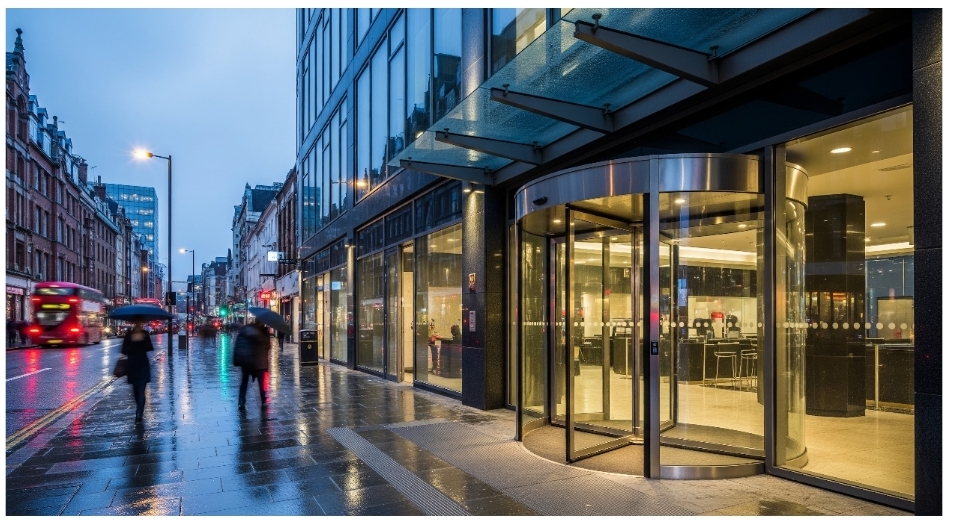
Selecting the right entrance system is a critical decision for any non-residential building. The right choice affects safety, accessibility, energy efficiency, and the ease with which people move through a space. There is no single option that suits every property when it comes to commercial automatic doors. Offices, hospitals, retail units, and public buildings all have different demands. Understanding how door types align with building use and traffic patterns helps ensure long-term reliability and user comfort.
Start With Building Purpose
The first step is to understand how the building is used day-to-day. A healthcare setting prioritises hygiene, accessibility, and quiet operation. A retail space focuses on visibility and customer flow. Warehouses and industrial sites need durability and speed. Door selection should support the building’s primary function rather than hinder it. An automatic solution that works well in one environment may create bottlenecks or safety issues in another.
Assess Traffic Volume And Flow
Footfall levels influence both door style and mechanism. High-traffic entrances require systems that open quickly, close reliably, and cope with constant use. Sliding doors are often suitable in these situations because they allow continuous movement without restricting entry width. Lower-traffic areas may be well-suited to swing doors, especially when space allows. Understanding peak usage times and movement patterns helps prevent congestion and reduce component wear.
Consider Available Space
Physical layout plays a significant role in door selection. Some entrances have limited room for door leaves to swing outward or inward. Others may have structural constraints that affect installation. Sliding doors are suitable for narrow corridors or compact entrances where swing clearance is limited. Telescopic sliding options offer wider openings without increasing wall space. Where space permits, swing doors can provide a simpler solution with fewer moving parts.
Focus On Accessibility Requirements
Accessibility is not optional in UK commercial buildings. Automatic doors must support inclusive access for wheelchair users, people with mobility challenges, and those carrying items. Door width, opening speed, and activation methods all matter. Sliding doors generally offer consistent access because they remove the need for manual force. Swing doors may require careful configuration to ensure they meet accessibility standards without creating hazards.
Match Door Type To Environment
Different environments place different demands on automatic doors. In clean settings such as clinics or laboratories, touch-free operation helps reduce contact. In retail or hospitality settings, transparency and aesthetics become increasingly important. Sliding glass doors improve visibility and encourage entry. In contrast, industrial doors may prioritise impact resistance and insulation over appearance. Choosing a door that suits its environment enhances both function and lifespan.
Think About Energy Efficiency
Automatic doors influence heating and cooling costs. Poorly suited systems can allow heat loss or draughts, especially in busy entrances. Revolving doors or well-sealed sliding systems help reduce air exchange. In high-traffic public buildings, this can make a noticeable difference to energy use. Selecting a door with appropriate sensors and closing speeds supports efficiency without compromising access.
Safety And Compliance Matter
Commercial automatic doors must comply with UK safety regulations. Sensors, activation zones, and fail-safe mechanisms protect users from injury. Door type affects how these safety features are implemented. Swing doors need clear detection areas to avoid contact. Sliding doors require accurate motion sensors to respond to approaching users. Working with experienced installers ensures compliance is built into the design rather than added later.
Maintenance And Reliability
All automatic systems require maintenance, but some designs are better suited to heavy use. Sliding doors typically have fewer stress points than swing doors in busy locations.
Considering maintenance needs at the selection stage helps control long-term costs. Doors that are easy to service and built for frequent use reduce downtime and the need for unexpected repairs.
Aesthetics And First Impressions
Entrances shape first impressions. Automatic doors complement the building’s design rather than detract from it. Glass finishes, framing styles, and door motion all influence the entrance’s sense of welcome. While appearance should not override practicality, a well-chosen design enhances the overall experience for visitors and staff alike.
Making A Confident Choice
Choosing the right commercial automatic door type involves balancing function, safety, and usability. By considering building purpose, traffic flow, space, and access needs, decision-makers can avoid common mistakes. Well-matched commercial automatic doors support smooth movement, improve accessibility, and withstand daily demands. Taking time to assess requirements leads to solutions that perform reliably and adapt to the building over time, rather than becoming a limitation.