Your Top Questions Answered: What Really Goes Into a Professional Landscape Build?

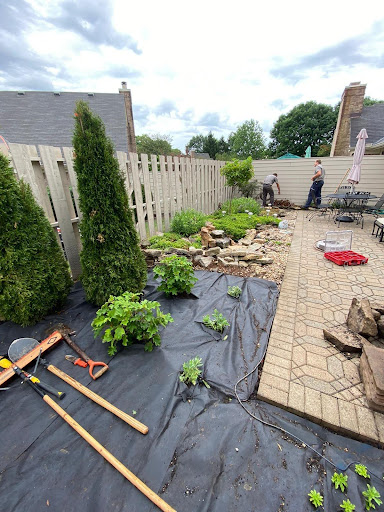
For many homeowners in Dayton and the surrounding Southwest Ohio region, the backyard is often an afterthought—a patch of grass that gets mowed once a week and ignored for the other six days. But as our lives shift more towards finding sanctuary at home, that mindset is changing. We see the potential for outdoor kitchens, fire pits that extend the seasons, and lush garden beds that soften the noise of the outside world.
Transforming a plot of land into a personal retreat isn’t just about planting a few hydrangeas or laying down some mulch. It is a construction project, often referred to within the industry as a “landscape build.” If you are considering an overhaul of your property, you likely have a dozen questions swirling around your head. What comes first? How do you handle the notorious Ohio clay soil? Why is drainage such a big deal?
To help clarify the process and remove the mystery from your outdoor renovation, we have compiled answers to the most common questions regarding landscape construction.
What Exactly Does a “Landscape Build” Entail?
When people hear “landscaping,” they often think of maintenance: mowing, weeding, and trimming hedges. A landscape build is an entirely different animal. Think of it as home renovation, but without the roof. It is the physical construction of your outdoor living space.
This process is generally divided into two categories: hardscaping and softscaping.
- Hardscaping: This is the “bones” of the project. It involves heavy materials and structural elements. We are talking about paver patios, retaining walls, walkways, outdoor kitchens, fire pits, and pergolas. These elements define the flow of the space and provide the usable areas where you will actually sit, eat, and walk.
- Softscaping: This is the “flesh” of the project—the living elements. Trees, shrubs, perennials, sod, and mulch fall into this category. Softscaping softens the hard edges of stone and concrete, introduces color and texture, and creates the privacy and atmosphere that make a backyard feel like a garden.
A successful landscape build marries these two elements. A patio without plants feels cold and industrial, while a garden without a patio offers no place to sit and enjoy the view.
Why Is the “Design” Phase So Critical Before the “Build”?
You wouldn’t build a house without a blueprint, and you shouldn’t build a landscape without a design. The design phase is where the vision is translated into a tangible plan. It is where problems are solved on paper before they become expensive mistakes in the ground.
During the design phase, spatial relationships are established. How does the traffic flow from the back door to the fire pit? Is the grill located conveniently near the kitchen? Does the retaining wall double as seating? This is also where material selection happens. Seeing samples of pavers or choosing specific plant palettes ensures that the final result matches the aesthetic of your home.
Furthermore, a comprehensive landscape design and build plan accounts for the invisible but crucial systems like lighting and irrigation. Installing conduit for lights or pipes for water is infinitely easier (and cheaper) before a stone patio is laid on top of them. The design acts as the roadmap for the installation crew, ensuring that every measurement is precise and every feature is placed exactly where it belongs.
How Do You Handle Ohio’s Clay Soil and Drainage Issues?
If you live in Southwest Ohio, you are likely familiar with the dense, sticky clay soil that dominates the region. While this soil is nutrient-rich, it presents significant challenges for drainage. Water tends to sit on top of clay rather than percolating through it, which can lead to soggy lawns, drowned plants, and even water damage to your home’s foundation.
In a professional landscape build, drainage is often the very first thing addressed, even though it’s the one thing you might never see when the project is finished. Before a single paver is laid, the site is graded to ensure water flows away from structures.
Solutions might include:
- French Drains: Gravel-filled trenches with perforated pipes that redirect subsurface water.
- Dry Creek Beds: Decorative stone channels that guide surface water runoff.
- Downspout Burials: Connecting gutter downspouts to underground pipes to move roof water far away from the house.
- Soil Amendments: Tilling organic matter into the clay to improve its structure and drainage capabilities for plant beds.
Ignoring drainage is the fastest way to ruin a new landscape. A professional build prioritizes water management to ensure the longevity of the hardscapes and the health of the plants.
What Is the Typical Order of Operations for Installation?
Watching a landscape build unfold can be a bit chaotic if you don’t know what to expect. It often looks like a disaster zone before it looks like a magazine cover. Here is the general sequence of events:
- Demolition and Site Prep: Old shrubs are ripped out, concrete is broken up, and sod is stripped away. This is the messy part.
- Grading and Drainage: The land is sculpted to the correct elevations, and drainage systems are installed underground.
- Hardscaping: The heavy lifting begins. Gravel bases are compacted, retaining walls are stacked, and patios are laid. This is often the longest phase.
- Utilities: Irrigation lines and low-voltage lighting wiring are run.
- Planting: Trees and large shrubs go in first, followed by smaller perennials and annuals. Soil is amended as planting holes are dug.
- Finishing Touches: Mulch is spread, sod is rolled out, and lighting fixtures are installed and adjusted.
- Cleanup: The site is swept, washed, and prepped for the final reveal.
Understanding this flow helps homeowners stay patient during the “muddy” middle phase, knowing that the beautiful finish is coming.
Hardscaping vs. Softscaping: Which Should I Prioritize?
Budget is a reality for every project. If you can’t do everything at once, how do you choose?
Generally, it is smarter to prioritize hardscaping. These projects are invasive and require heavy machinery. If you install a beautiful lawn and garden first, you risk tearing it all up later to bring in bobcats and pallets of stone for a patio. Get the “construction” work done first. You can always plant smaller perennials or add container gardens in phases later on.
However, trees are an exception. Because trees take years to mature and provide shade, getting them in the ground early is beneficial. Just be sure their placement doesn’t interfere with future construction access.
Does a Landscape Build Add Value to My Home?
This is a question of both financial and lifestyle value. From a financial perspective, a well-executed landscape build can yield a significant return on investment (ROI). Real estate data consistently shows that curb appeal and functional outdoor living spaces are high on the list of demands for modern buyers. A stunning patio or an outdoor kitchen extends the square footage of the home’s usable living space, which translates to higher appraisal values.
But beyond the dollars and cents, the “lifestyle ROI” is arguably more important. What is the value of a space where you can decompress after a stressful week? What is the worth of a safe, beautiful yard where your children can play or where you can host holiday gatherings?
A landscape build is an investment in your quality of life. It encourages you to spend more time outside, breathing fresh air and connecting with nature. In a world that keeps us glued to screens, a private outdoor sanctuary offers a necessary counterbalance.
How Do I Maintain the New Landscape Once It’s Built?
A common misconception is that a new landscape is “maintenance-free.” While low-maintenance designs exist, no outdoor space is entirely self-cleaning.
- Hardscapes: Pavers should be swept regularly and may need resealing every few years to protect the color and finish.
- Plants: Even drought-tolerant native plants need water while they establish their root systems (usually the first year). Pruning, deadheading, and seasonal cleanups are necessary to keep the jungle at bay.
- Mulch: Organic mulch breaks down over time (which is good for the soil!) and needs to be topped off annually to maintain that crisp, fresh look.
Discussing maintenance levels during the design phase is crucial. If you hate gardening, your design should focus on evergreens and hardscapes rather than high-maintenance flower beds. Honesty about your willingness to work in the yard ensures you get a landscape you can enjoy, rather than one that feels like a chore.
Getting Started on Your Project
Embarking on a landscape build is exciting, but it requires planning and the right partner. It is about more than just digging holes; it is about engineering, design, biology, and artistry coming together.
If you are ready to stop dreaming and start building, Cable Bros Outdoor Living & Landscaping is here to guide you through the process. From the initial sketch to the final layer of mulch, the goal is to create a space that reflects your personality and meets your family’s needs.
A landscape build is a journey. It starts with a conversation and ends with a transformation. Whether you want a cozy corner for reading or a sprawling entertainment area for neighborhood parties, understanding the process is the first step toward making it a reality.