Investigating Custom Automotive Fabrication Techniques for Prototypes and Limited-Run Vehicles

The emergence of a new era of automotive industry innovation calls for more agility and faster production speeds especially for prototypes and limited-run vehicles. Custom automotive fabrication serves an important role in developing concept vehicles, specialty performance models, and platforms for electric vehicles as it allows the manufacturer bespoke flexibility to approach fabrication without the limitations of high-volume tooling and assembly processes.
With innovation at the very core of custom automotive, precision sheet metal fabrication remains the industry’s backbone as they have the capabilities and know-how to execute the designs and produce the components at the required speed and precision while also being able to scale up. In this article, we delve into custom automotive fabrication, its implications for B2B automotive suppliers, curated B2B partnerships for custom automotive projects, and ultimately, the strategies driving custom automotive fabrication.
Unique Engineering Prototyping and Low Volume Runs Demands Specialized Fabrication
The engineering challenges of automotive prototyping and short production runs are distinctly different. Unlike mass production where there is an economy of scale, prototyping comes with high complexity and cost. Designing takes a great deal of agility and iteration especially with the flexibility and speed of change.
That is where custom automotive fabrication comes in. Parts including exteriors and sheet metal, as well as chassis reinforcements, need to be manufactured from a digital design in real time as the designs change. This is not possible with traditional stamping or casting techniques that rely on fixed invaluable tools.
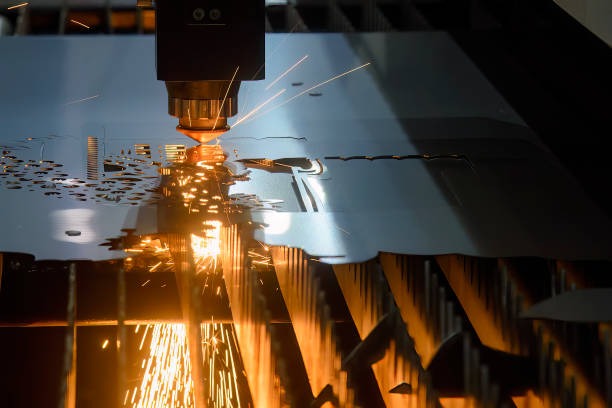
In this case, precision sheet metal fabricators take the lead. These professionals are equipped with the necessary technologies such as laser cutting, CNC bending, CAD prototyping, and TIG/MIG welding that work on a systems and automation basis allowing for on-demand part fabrication. These techniques reduce lead time while allowing for real-world assessment and structural testing during validation without structural or aesthetic damage.
Key Techniques Used in Custom Automotive Fabrication
Contemporary custom automotive fabrication techniques still preserve the artistry of the fabricators alongside digital technologies, with precision such as the following:
- Laser Cutting: This technique provides clean and cut with high accuracy and precision, aluminum, stainless steel, high strength steel and complex geometrical shapes for the prototypes.
- CNC Bending and Forming: This technique maintains consistency in vehicle panel shapes making sure the vehicle frames and parts that are to be attached to are aligned accurately.
- TIG and MIG Welding: These welding types offer the necessary strength to structural components such as custom roll cages, battery enclosures and subframes making them durable.
- The Integration of 3D CAD/CAM: Empowers design teams to analyze thermal interactions as well as simulate stress and thermal fitting of a part well before the actual fabrication begins.
- Surface Finishing: Processes like sandblasting as well as powder coating and anodizing ensure that even prototype parts shall possess the required industry aesthetics as well as corrosion resistance.
Startups and suppliers focused on bespoke EVs, high-performance sports cars, and off-road utility vehicles will gain the vital flexibility and speed from these features, all while maintaining high standards of quality.
Advantages of Working with Precision Sheet Metal Fabricators
For unmatched customization, speed as well as consistency, deep design adaptability combined with advanced technology from precision sheet metal fabricators is the solution. Here is why:
- Rapid Prototyping: Within a few days, CAD blueprints can be turned into operational prototypes, reducing weeks of a business’s go-to-market strategy.
- Scalability: There is no upper limit to the number of pieces for production, as fabricators can work with low-volume production without high retooling expenditures.
- Material Versatility: Aluminum, galvanized steel and copper are just some of the metals that can be used, validating the design under real-world conditions.
- Tight Tolerances: Crucial for mating parts with more intricate vehicle assemblies, these tolerances are key for hybrids and modular integration of fabricated parts.
- Streamlined Collaboration: Veteran fabricators become part of the engineering team, actively advising on the selection, assembly, and manufacturing of the materials.
One sentence with both keywords: Custom automotive fabrication is crucial to every manufacturer, and precision sheet metal fabrication services guarantee that all prototypes or low-volume parts are crafted with precision, detail, and functionality.
Uses in Specialty Vehicles and New Markets
Custom fabrication holds more importance in specialty sectors because they are unable to access the necessary flexibility owing to rigid automotive supply chains. Such sectors include:
- Electric Vehicle Startups: Designing battery housings, lightweight enclosures, and mounting brackets for unconventional chassis.
- Motorsports and Performance Cars: Need for high-strength roll cages, weight optimized air ducts, and structurally sound aerodynamic panels.
- Commercial Fleet Customization: Emergency vehicles, mobile workstations, and box trucks that require unique custom panels, racks, and reinforcements.
- Military and Tactical Vehicles: Handles the exacting fabrication for protective panels, mounts, and modular armor that needs to balance mobility and fortification.
All these sectors gain a competitive edge from the strategic advantages offered by custom automotive fabrication in design, modification, and accelerating changes to evolving specifications.
Features to Consider When Selecting a B2B Fabrication Partner
When it comes to automotive prototyping, not every fabrication shop has the requisite equipment, complexity capabilities and standards. B2B companies should look into the following considerations while choosing a fabrication partner:
- Experience with Automotive Projects: Partner capabilities should be considered, especially those in prototype and limited production with established reputations in the auto sector.
- Digital Integrations: Check if they have CAD/CAM, simulation tools, and capabilities to integrate within your workflow.
- Material Capabilities: Specialized fabrication for aluminum, ultra-high strength steel, and mixed-material constructions.
- Quality Assurance Processes: They should have thorough systems for inspection, dimensional control, and documentation.
- Lead Times and Flexibility: The rapid response to urgent design changes and quick turnarounds is important in custom and prototyping builds.
With the right precision sheet metal fabricators, these partners will not only be helpful in providing vehicle parts, but will also proactively engage in the design and testing which enhances collaboration in the vehicle development process.
Conclusion
The automotive industry is continuing to embrace innovation, electric solutions, and personalization. There is now, more than ever, an urgency for agile automotive fabrication approaches. Custom automotive fabrication approaches, enabled by professional precision sheet metal fabricators, are giving automakers the freedom to try, modify, and launch new designs without being constrained to high-volume tooling.
Sip and volume fabrication services give manufacturers the tools to realize their new designs and concepts. For businesses focused on advanced vehicle development, selecting the right fabrication partner can improve their cost structure, and for some, it can offer a competitive strategic advantage.