Richard Meade: The Fearless Champion Who Redefined Olympic Eventing
The untold journey of Richard John Hannay Meade, Britain’s most dominant equestrian legend

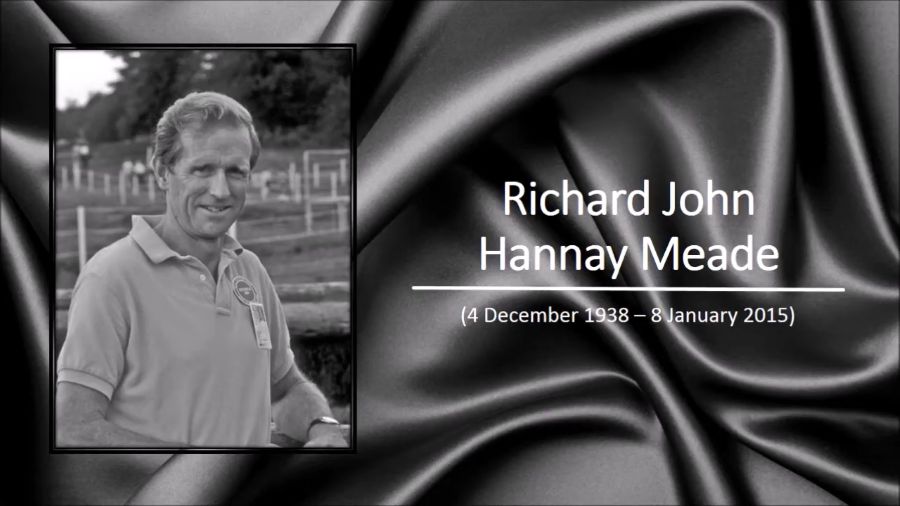
Table of Contents
ToggleIntroduction
Richard Meade stands as one of the most powerful and respected names in the history of Olympic eventing. Known for his unmatched courage, technical brilliance, and iron discipline, Richard John Hannay Meade transformed British equestrian sport on the world stage. His career was built on relentless dedication, historic Olympic victories, and lifelong service to the sport he loved.
Yet, behind the glory and medals, his journey also included intense pressure, physical danger, and emotional sacrifices. His life proves a powerful truth: greatness is never achieved without struggle. Richard Meade’s legacy is not only one of triumph, but also of resilience through hardship.
Quick Bio
| Field | Details |
|---|---|
| Full Name | Richard John Hannay Meade |
| Known As | Richard Meade |
| Date of Birth | 4 December 1938 |
| Birthplace | Chepstow, Monmouthshire, Wales |
| Nationality | British |
| Profession | Olympic Eventing Rider, Equestrian Official |
| Education | Lancing College, Magdalene College Cambridge |
| Military Service | 11th Hussars, British Army |
| Spouse | Angela Dorothy Farquhar |
| Children | James, Harry, Lucy |
| Date of Death | 8 January 2015 |
Early Life and Family Background
Richard Meade was born into a family deeply connected to horses and hunting traditions. His parents, John and Phyllis Meade, were joint masters of a hunting pack and pioneers in pony breeding. From early childhood, Richard was surrounded by stable life, training grounds, and competitive riding environments. This foundation gave him an instinctive understanding of horses that later became his greatest strength.
His upbringing was disciplined yet adventurous. While many children played common sports, Richard learned courage across open countryside and learned responsibility through daily care of animals. The seeds of his future dominance in equestrian sport were planted in these formative years.
Education and Military Training
Richard was educated at Lancing College, where he developed strong leadership skills alongside his academic studies. He later attended Magdalene College, Cambridge, studying engineering. This academic background strengthened his analytical thinking and technical precision, qualities that later shaped his riding strategy at elite levels.
After university, he served in the British Army with the 11th Hussars, a cavalry regiment. Military training sharpened his discipline, physical endurance, and mental control. However, the strict structure of army life also tested his personal freedom, making him even more determined to return to competitive riding and build his own identity in sport.
Start of His Equestrian Career
Richard Meade entered professional eventing in the early 1960s. His first major breakthrough came in 1964, when he won the prestigious Burghley Horse Trials. This victory immediately established him as a rising star in British equestrian sport and opened the door to Olympic selection.
Despite his rapid success, the early phase of his career was filled with pressure. Competition at international level demanded absolute perfection, and a single mistake could end months of preparation. Yet Richard’s calm mindset and fearless riding set him apart from his rivals.
Olympic Glory and International Dominance
Richard Meade became a global icon at the Olympic Games. He represented Great Britain at multiple Olympic competitions and achieved historic success at the 1972 Munich Olympics, where he won both individual and team gold medals in eventing. This achievement made him the first British rider ever to secure individual Olympic gold in this demanding discipline.
His Olympic career also included appearances at Tokyo, Mexico City, and Montreal. These competitions brought recognition, pressure, pride, and intense physical risk. While his victories brought international fame, the sport itself remained highly dangerous. Every competition carried the threat of injury or defeat, proving that his success was earned through courage, not comfort.
National Championships and Major Victories
Beyond the Olympics, Richard Meade dominated Britain’s most elite competitions. He won the Badminton Horse Trials twice and claimed victory at Burghley, two of the most demanding eventing courses in the world. These competitions test every aspect of skill: stamina, speed, control, and partnership with the horse.
Each victory strengthened his status as Britain’s most reliable event rider. Yet, with dominance also came criticism and expectation. Every appearance carried the heavy burden of maintaining excellence, showing that even champions live under intense pressure.
Life After Competitive Riding
After retiring from active competition, Richard Meade did not step away from the equestrian world. Instead, he dedicated his knowledge to developing the next generation of riders. He served as a judge, course designer, and senior official within international equestrian organizations.
He later became Chairman and Co-Founder of the British Horse Foundation, focusing on breeding excellence and riding standards. His post-competition career helped reshape modern British eventing. However, the transition from athlete to administrator was not always smooth, as leadership brought political challenges and public responsibility rather than applause.
Family Life and Personal World
Richard married Angela Dorothy Farquhar in 1977. Together they raised three children: James, Harry, and Lucy. Their family also suffered personal tragedy when their first son died in infancy. This loss deeply affected him and revealed the human side behind the fearless rider.
His son Harry Meade went on to become a successful international event rider, continuing the family legacy. While Richard lived much of his life under public attention, he remained deeply protective of his private family world, balancing fame with responsibility.
Business Roles and Professional Leadership
In addition to sport governance, Richard also held directorships in horse-breeding related companies. His professional income came from judging, training, consultancy, and administrative leadership. These roles allowed him to remain financially active in his field while shaping its future structure.
However, leadership brought pressure and criticism. Decision-making at elite sport level is never universally praised. His strength was not only riding skill but also the confidence to stand firm under scrutiny.
Challenges, Injuries, and Risks
Eventing is one of the most dangerous Olympic sports. Throughout his career, Richard Meade faced repeated physical risks, extreme fatigue, and the constant threat of serious injury. Each competition tested both horse and rider at the limits of survival and endurance.
Despite his calm image, critics occasionally questioned the risks of the sport and the pressure placed on horses. These concerns did not erase his achievements, but they remind us that greatness often walks alongside controversy and danger.
Death and Lasting Impact
Richard Meade passed away on 8 January 2015 after battling cancer. His death marked the end of an era in British equestrian history. Tributes poured in from Olympic committees, fellow riders, and international officials who credited him with elevating eventing to a global standard.
Even after his passing, his legacy remains alive through training systems, governance structures, and his son’s career. His influence continues to shape how modern eventing is taught and judged.
Conclusion
Richard Meade remains one of the most powerful figures in Olympic equestrian history. His victories brought pride to Britain, while his leadership shaped the future of international eventing. His life carried both triumph and pain, glory and sacrifice. That balance makes his story not just inspirational, but deeply human.
Through Richard John Hannay Meade, the world witnessed how courage, discipline, and resilience can transform a rider into a legend. His legacy will continue galloping through history for generations.
FAQs
Q1: Who was Richard Meade?
Richard Meade was a British Olympic eventing champion and equestrian official known for his historic individual gold medal win at the 1972 Olympics.
Q2: What is Richard John Hannay Meade famous for?
He is famous for becoming the first British rider to win individual Olympic gold in eventing.
Q3: Was Richard Meade involved in equestrian leadership?
Yes, he served as a judge, FEI official, and Chairman of the British Horse Foundation.
Q4: Did Richard Meade’s family continue in equestrian sport?
Yes, his son Harry Meade became a successful international event rider.
Q5: When did Richard Meade pass away?
He passed away on 8 January 2015 after battling cancer.