Pharmaceutical packaging stands at a crossroads. New regulations tighten safety requirements, sustainability demands grow louder, and digital technologies reshape how medicines reach patients. For businesses operating in this space, understanding these shifts isn’t just helpful—it’s essential for survival.
From smart packaging that tracks medication adherence to biodegradable materials that reduce environmental impact, innovation is accelerating across every aspect of the sector. Companies that adapt quickly will thrive, while those that lag behind risk losing market share to more agile competitors.
This evolution affects everyone in the supply chain, from manufacturers to pharmacies. Whether you’re developing new products or simply looking to future-proof your operations, staying informed about emerging trends will help you make smarter decisions and maintain a competitive advantage.
Smart Technology Transforms Medicine Safety
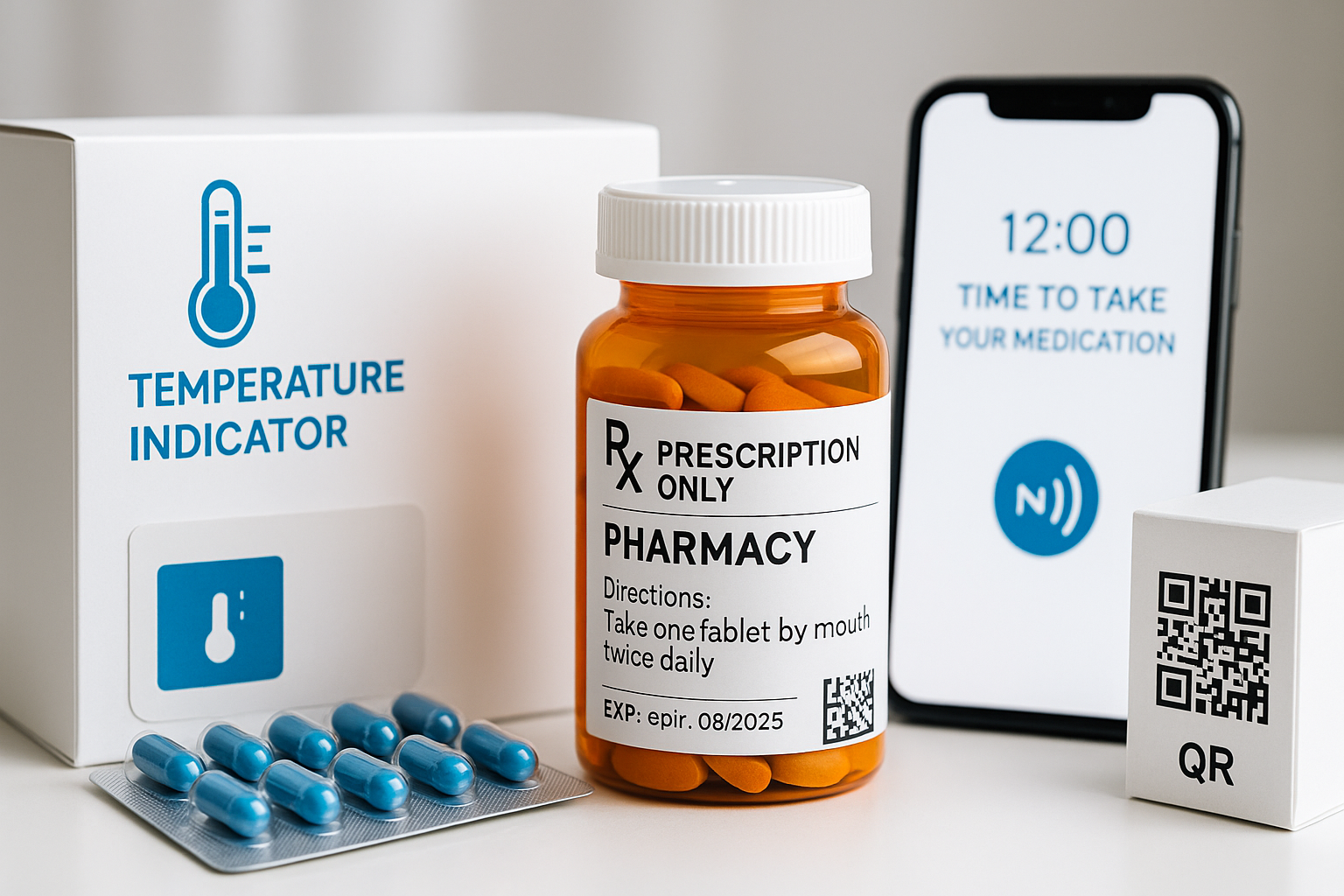
Digital integration is revolutionising how pharmaceutical packaging works. Smart labels equipped with NFC chips and QR codes now provide real-time information about medication authenticity, storage conditions, and expiry dates. This technology helps combat the growing problem of counterfeit medicines while giving patients instant access to crucial safety information.
Temperature-sensitive indicators are becoming standard for biologics and vaccines. These small devices change colour if products experience temperature fluctuations during transport or storage, immediately alerting handlers to potential quality issues. For businesses, this means fewer product losses and stronger compliance with regulatory requirements.
Connected packaging goes further still. Some systems now send notifications to patients’ smartphones when it’s time to take medication, whilst simultaneously reporting adherence data to healthcare providers. This creates new opportunities for pharmacy packaging companies to offer value-added services beyond traditional containers.
Sustainability Drives Material Innovation
Environmental concerns are reshaping material choices across the pharmaceutical industry. Traditional plastic packaging faces increasing scrutiny as companies search for alternatives that maintain product integrity while reducing environmental impact. Biodegradable polymers, recycled materials, and plant-based packaging solutions are gaining traction.
However, sustainability in pharmaceuticals isn’t straightforward. Child-resistant mechanisms, which are legally required for many medications, often rely on complex plastic designs that are difficult to recycle. Innovative companies are developing new approaches that satisfy safety regulations whilst using more sustainable materials.
Some manufacturers are exploring refillable packaging systems for chronic medications. These solutions reduce waste by allowing patients to reuse durable containers whilst receiving medication refills in minimal packaging. Early trials suggest strong patient acceptance, particularly for regular prescriptions.
Regulatory Changes Shape Industry Standards
Pharmaceutical packaging regulations continue to evolve, with safety remaining the top priority. Child-resistant packaging requirements are expanding to cover more medication types, particularly as concerns grow about accidental ingestion of prescription drugs by children. The challenge for businesses lies in balancing these safety requirements with user accessibility, especially for elderly patients who may struggle with complex opening mechanisms.
Serialisation requirements are becoming more stringent globally. Each package must carry unique identifiers that allow tracking throughout the supply chain. This helps prevent counterfeiting but requires significant investment in new printing and verification systems. Companies that haven’t yet upgraded their capabilities need to act quickly to maintain compliance.
New guidelines on packaging materials are emerging regularly. Some regions are restricting certain plasticisers and additives due to health concerns, whilst others mandate specific barrier properties for different drug types. Staying current with these requirements across multiple markets presents ongoing challenges for multinational businesses.
Patient-Centric Design Takes Centre Stage
Understanding patient needs is driving packaging innovation beyond regulatory compliance. Arthritis-friendly bottle designs, clear dosing instructions, and improved readability are becoming competitive differentiators. Pharmacy packaging that’s easier to open and understand leads to better medication adherence and fewer adverse events.
Multi-dose packaging systems are gaining popularity for patients managing complex medication regimens. These solutions organise multiple drugs into clearly marked compartments, reducing confusion and missed doses. The technology appeals particularly to care homes and patients with chronic conditions requiring multiple daily medications.
Visual design is evolving too. High-contrast labelling, larger fonts, and intuitive colour coding help patients identify medications quickly and accurately. These improvements benefit everyone but are particularly valuable for users with visual impairments or cognitive challenges.
Preparing Your Business for Tomorrow
The pharmaceutical packaging landscape will continue evolving rapidly. Successful businesses are already investing in flexible manufacturing systems that can adapt to new materials and technologies. Building relationships with innovative suppliers and staying connected to regulatory developments will prove crucial.
Consider conducting a packaging audit to identify areas where your current solutions might become outdated. Look for opportunities to pilot new technologies on a small scale before committing to major investments. Most importantly, keep patient safety and experience at the heart of your decision-making process.
By embracing innovation whilst maintaining rigorous safety standards, pharmaceutical packaging businesses can build stronger market positions and contribute to better patient outcomes across the healthcare system.