The Rise of Hyper-Localism in Urban Interiors: Balancing Global Trends with Regional Climate Realities

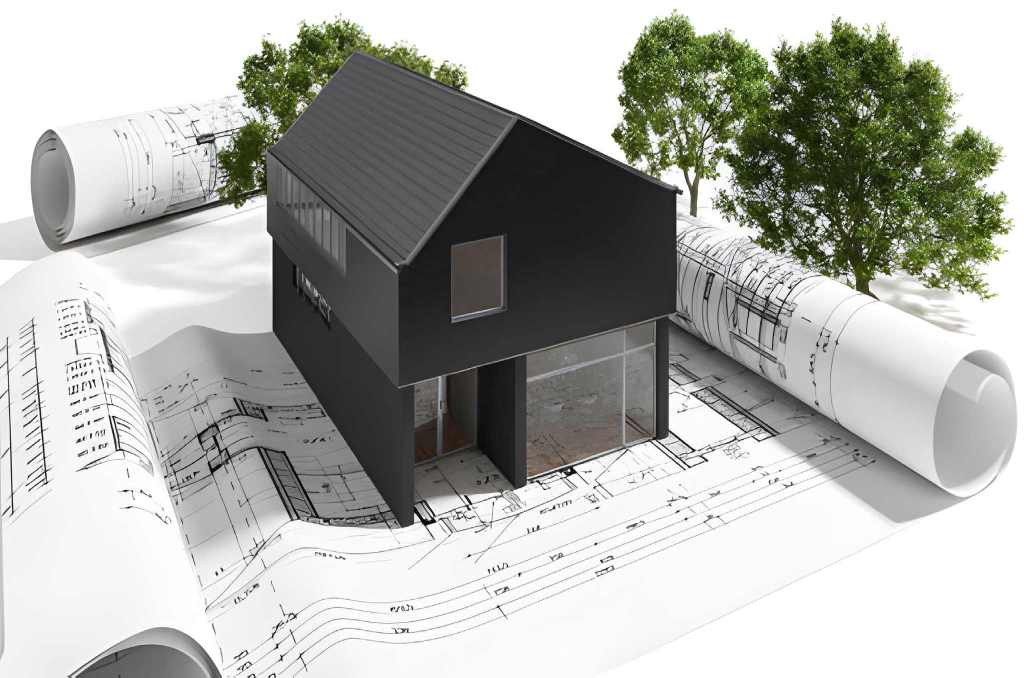
Personalization is shaping not only the demand of the modern population. Also, their necessities. Everyone wants a solution that meets their unique needs. Hyper-localization extends that inspiration to the architecture and interior design of modern homes.
Tapping into the core concept of Hyper-localization, you understand why homes in Germany, Japan, and Australia look so different. They are built by blending cutting-edge technology with cultural and geographical diversity, offering solutions for emerging locality-specific issues.
Hyper-localization is an innovative field. Drawing mass attention and appreciation lately, it has become the new talk of the town. This article will help you follow along by simplifying its meaning, explaining the underlying intent, and hinting at the required perception shift to welcome it.
What is Hyper-localism in Urban Interiors?
Hyper-localism offers an alternative approach to universal design practices. Instead of following the global principles, you measure your indoor space and decorate it, reflecting local tastes, cultural biases, and custom solutions to generic issues, like rough climate and limited space.
For example, the scorching heat and overly humid weather in tropical zones are often ignored in Western design manuals. With a hyper-targeted approach, you focus on reducing carbon footprints by using local resources, installing sufficient ventilation in place of an air conditioner, and implementing other passive strategies.
Due to massive inclusion, Hyper-localism is spreading across the global design industry, including every major interior design company in Dhaka.
What is the Intent Behind the Idea of Hyper-localism?
Hyper-localism goes beyond trends and conventions while infusing the local personality into the interior. The concern for comfort, style, and efficiency is still there. But zoomed in through the lens of social context. And while looking through it, you don’t just make a home that turns heads. You do it keeping nature, neighborhood, and nationality in mind.
Key practices include:
- Defining zone-based issues that involve climatic, social, and individual struggles to create a harmonized and sustainable abode and community. In areas that experience excessive rainfall throughout the year, the interior should implement weather-coat paints and thick materials to resist the added moisture in the air.
- Telling cultural stories, outlining the layout with ingenious materials, and a local color palette. The choice of materials determines the tactile and visual setting, providing the familiar warmth and homely touch. For example, if the homeowners are from rural backgrounds, they may appreciate a leisurely setting that places indoor plants and makes use of raw materials like bamboo net
- Prioritizing regional aesthetics and design conventions over generic and innovative ideas. To better perceive this, see how the majority of homes in Japan follow a unique regional architect. That covers both the exterior and interior. Though risk minimization against frequent earthquakes felt in that region drives such rustic features. But the root goes deep into the local tradition.
- Lifestyle, both personal and social, makes one of the fundamental principles in hyper-localized home designs. So, you don’t build a laundry just because the design demands it. But because you need it. A gym is there because it’s a key necessity to sustain or make the life you are living. In a social context, the principle leans on matching the communal standard and expectations.
- A vital aspect of hyper-localization focuses on personal heritage, practices, and hobbies. Fine examples will include a dedicated space for prayer, a study room, or a sports zone. When you see a home full of furniture and decorations that represent a nationality or idealism, this realizes the same inspiration. This is powerful. Beyond just some defined spaces, it can set the pivotal theme of the entire interior.
What to Consider to Make Hyper-localized Designs?
Hyper-localization is the next move forward in modern home decor and architectural revolution. The term may not have received much recognition yet. But the motivation has been guiding experts in those fields for decades or centuries.
But there are still some measures you must take to make your hyper-zoned design foolproof.
- Personalization: Don’t let personal biases and inclinations toward alien designs intervene. When marking your necessities, be honest and detailed to pick out what you really like, dislike, need, and desire.
- Cultural Exposure: The closer the interior is to your cultural backdrop, the more hyperlocal it becomes. Avoid foreign designs just for the show of it. And to define culture, examine your core practices, values, inheritance, and vision.
- Resource Sufficiency: Put less load on imports, and welcome raw, ingenious materials, available prevalently. It contributes to the sourcing and logistics, reducing their negative impact on nature and the internal economy.
- Crisis Management: The primary focus of hyper-local designs is introducing resilient solutions to microzonal hazards. So curate all scopes of emergencies and address them with localized solutions to build a safe living space.
- Future Demands: Revision your plan for scaling. A change in behavior, way of living, habits, and professional demands should be well-placed in your design scheme.
- Sustainability: Don’t just make it stunning. Strive to sustain that for days to come. Instead of short-term or temporary solutions, put effort into making them once-and-for-all.
Wrapping Up
Today, when people are all for custom solutions to their everyday problems, hyper-localization extends that intent by fusing it with cultural and eco-friendly measures. All the basic principles are there, but enriched with the context of the current local practices. It’s all about defining the necessities while microscoping the struggles through the personal, social, and cultural lenses.