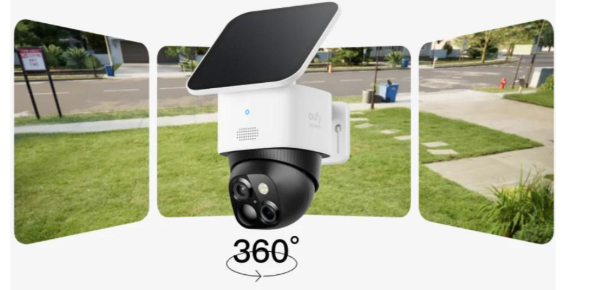
Installing outdoor security cameras is an important step towards securing your home. Proper placement guarantees that your house or company is adequately watched, lowering the danger of burglary, theft, or damage. Knowing where to set your cameras may significantly improve the degree of security given. While it is critical to cover the most susceptible places, careful placement ensures that the cameras record clear images without interference. Understanding the ideal sites for installation and taking essential elements into account allows you to design a complete security system that improves the safety of your property.
Key Areas to Install Outdoor Security Cameras
Front and Back Doors for Entry Point Surveillance
The front and rear doorways of your house are ideal locations for security camera installation. These regions should be regularly watched as they are typical access sites for criminals. Placing cameras at both the front and rear doors ensures that any possible burglar is caught on video as soon as they try to enter. Concentrate on clear angles that encompass the entrance and the surrounding area, including any porches or steps. Installing cameras at these important areas serves as a powerful deterrent to break-ins, since thieves frequently avoid houses with visual surveillance at these entry points.
Driveways and Garage Areas
Driveways and garages are frequently targeted by criminals attempting to steal automobiles or valuables. Installing security cameras in these places can help prevent car theft and vandalism. Position cameras to cover the whole driveway, including any vehicles parked there. Monitor garage doors, which are particularly prone to break-ins when left open. Covering these places gives you a good view of who enters and departs your driveway or garage. Cameras in these areas give peace of mind by not only deterring theft but also capturing critical footage in the event of an incident.
Perimeter of the Property: Fences and Gateways
The perimeter of your property, including fences and entrances, is another important consideration for camera installation. Installing cameras along your property’s perimeter guarantees that you catch any action along the margins, such as trespassing or attempts to breach the property. These cameras should monitor entrance points such as gates and walkways leading to the house. Fencing and gates frequently create natural blind spots, making them ideal targets for thieves. Installing cameras in these spots provides comprehensive surveillance of the property’s perimeter, making it more difficult for attackers to approach unobserved.
Camera Placement for Optimal Coverage and Visibility
Height and Angle Considerations
When installing outdoor security cameras, the right height and angle are essential for the best coverage. Cameras should be positioned at a height that prevents tampering or vandalism, usually between 8 and 10 feet. The angle should provide for a clear view of the area, including faces, license plates, and vital features. Avoid pointing cameras directly at the sun or intense light sources, since this might produce glare and reduce image quality. Adjusting the angle to cover entrances, driveways, and other access points guarantees that you get usable surveillance footage.
Preventing Obstructions and Blind Spots
Avoiding obstacles and blind spots is crucial if you want your outdoor security cameras to be as effective as possible. Over time, the camera’s line of sight may be obstructed by shrubs, trees, or even newly constructed buildings, making it impossible to record important footage. Make sure the cameras are positioned so they can see the surrounding area clearly and unhindered. Check for any obstructions on a regular basis, especially in places where growth is likely to occur, such as gardens or along fences. Blind spots are reduced, and all important parts are kept visible with a thoughtful placement plan that takes environmental variations into consideration.
Lighting and Glare: Ensuring Clear Footage
For your outdoor security cameras to record quality footage, especially at night, proper illumination is crucial. To avoid glare, which can obfuscate images, cameras should be placed away from direct light sources like streetlights or outdoor lighting. To increase visibility without producing sharp reflections, apply more illumination if needed in dimly lit locations. Additionally, when necessary, motion-activated lighting may assist in brightening regions, improving the camera’s capacity to capture crisp images. Make sure that the camera’s infrared (IR) capabilities are functioning properly in low light levels so that it can record crisp video even at night.
Outdoor Security Camera Placement Tips
Protecting the Camera from Weather Elements
Outdoor security cameras are exposed to a variety of weather situations, including rain, snow, and high temperatures. To preserve your cameras and ensure long-term functioning, use weatherproof or waterproof enclosures. These casings protect the camera from rain, grime, and temperature changes, preventing problems. Furthermore, installing cameras in protected regions, such as beneath eaves or roof overhangs, can decrease exposure to harsh weather. Regular maintenance, such as cleaning the lenses and inspecting the camera’s integrity, can help prevent it from environmental harm and keep it running smoothly throughout the year.
Avoiding Common Mistakes in Camera Installation
When installing outdoor security cameras, avoid common mistakes that could compromise the system’s effectiveness. One common error is to position cameras too high or too low, which might limit the area being monitored or make the camera simple to tamper with. Another error is failing to evaluate the camera’s range of vision, which results in overlooked blind spots or obscured footage. In addition, faulty wiring or failure to attach camera mounts can cause instability or damage. Cameras will be more effective in deterring crime and capturing usable footage if they are put appropriately, securely, and in the proper locations.
Adjusting Settings for Motion Detection and Sensitivity
Outdoor security cameras’ motion detection settings should be adjusted to match the surroundings for the best performance. Setting the motion sensitivity too high may result in false alerts caused by wind, rain, or passing animals. On the other hand, lowering it too low may lead the camera to miss key events. Adjust the sensitivity to detect human-sized movement while removing extraneous triggers. Many current cameras include adjustable zones, which enable you to choose particular regions where motion will trigger alerts. Fine-tuning these parameters ensures that the camera catches only relevant action, resulting in accurate and timely alerts without needless disruptions.
Conclusion
Outdoor security cameras must be installed and placed properly to be useful in defending your property. Focusing on crucial places such as access points, roads, and property perimeters will provide full coverage. Attention to variables such as camera height, angle, illumination, and environmental elements improves the system’s performance. Furthermore, safeguarding cameras from the environment and avoiding typical installation errors assures long-term dependability. Outdoor security cameras may be a strong tool in protecting your house or company from crime when placed strategically, and motion settings are adjusted.
Read Also: westernbusiness.co.uk