Why Vehicle Advertising for Your Brand Is Becoming a Top Marketing Strategy in 2026

Marketing in 2026 looks very different from just a few years ago. With digital ad fatigue rising, algorithms shifting constantly, and customer trust at an all-time premium, brands are searching for channels that offer real visibility and lasting impact. One strategy seeing major momentum this year is vehicle-based advertising—an approach blending mobility, creativity, and cost-effectiveness into one powerful branding tool.
If your business is looking for fresh ways to stand out in a crowded marketplace, this trend is worth paying attention to. Below, we explore why vehicle advertising is becoming a top marketing strategy in 2026 and how it can elevate brand awareness, customer trust, and overall return on investment.
The Shift Toward Offline Visibility
For years, businesses have invested heavily in digital channels. But as consumers scroll faster and trust online ads less, brands are recognizing the need to diversify. Offline, real-world visibility offers something digital impressions simply can’t replicate: authenticity.
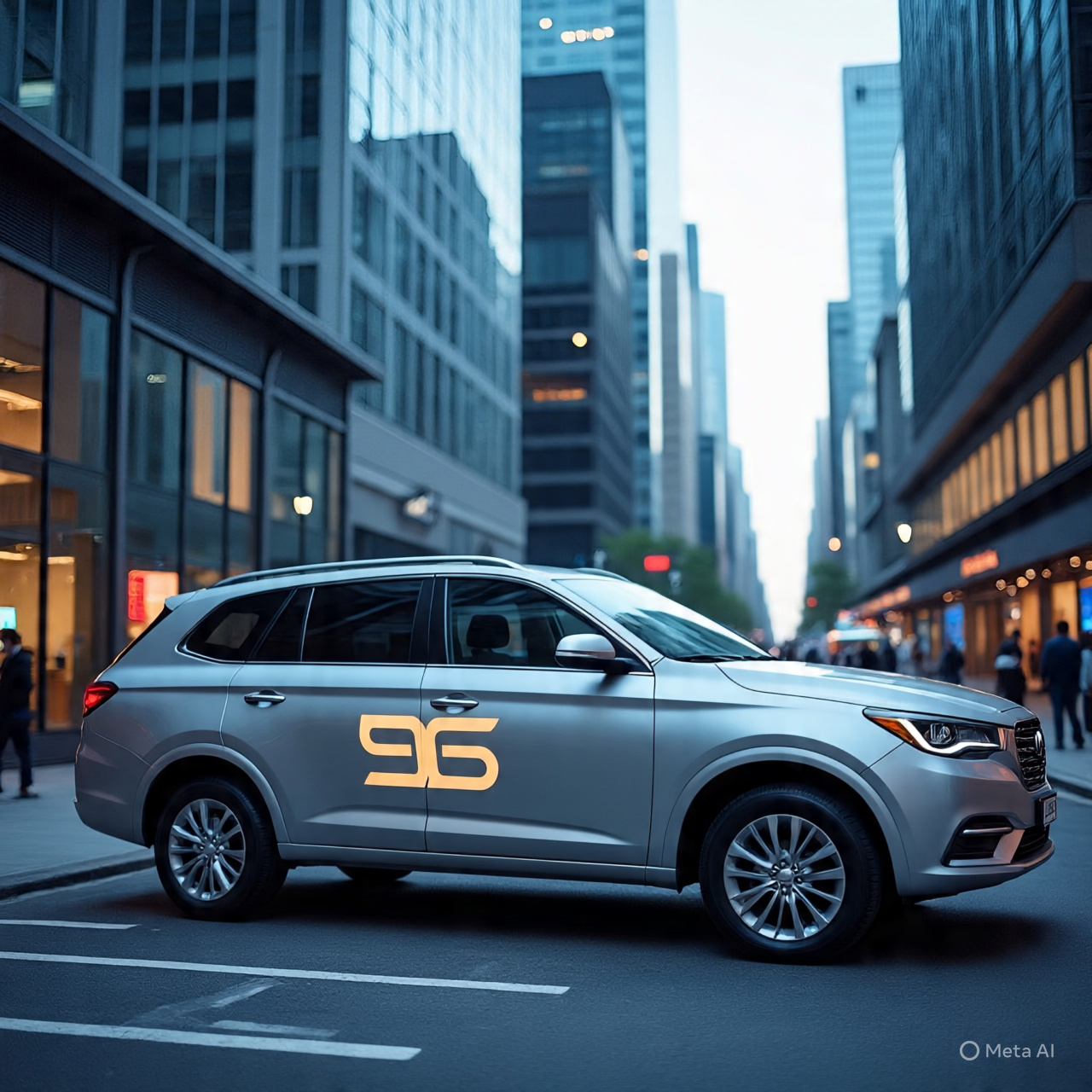
Vehicle advertising takes this concept a step further by transforming ordinary cars, trucks, or vans into eye-catching mobile billboards. As these vehicles travel through neighborhoods, business districts, and high-traffic zones, they naturally reach audiences who may never interact with a brand online.
In 2026, this approach has surged because it breaks through noise without relying on algorithmic placement or user behavior tracking—an important advantage as data privacy rules continue to evolve.
Brand Exposure That Constantly Multiplies
One of the most compelling benefits of vehicle-based advertising is reach. Whether the vehicle is part of a company fleet or driven by brand ambassadors, it has the potential to generate tens of thousands of impressions per day depending on the route.
Unlike stationary billboards, mobile ads go where your potential customers are already spending time. This includes:
- Shopping areas
- Highways and commuter routes
- Residential neighborhoods
- Special events and festivals
- Business complexes
Because the exposure is constant and naturally integrated into daily life, it feels less intrusive and more trustworthy than digital pop-ups or social media ads. This trust factor is one reason consumers remember mobile vehicle ads at significantly higher rates than traditional online formats.
Cost-Effective Marketing for Growing Brands
Another key advantage driving the rise of vehicle-based advertising in 2026 is cost efficiency. Compared to traditional outdoor advertising—where costs for a single billboard can be extremely high—vehicle wraps or decals offer long-term brand visibility for a fraction of the investment.
Once installed, a wrap can last several years with minimal maintenance. There are no recurring monthly fees, and the impressions accumulate day after day. This makes it one of the most cost-effective offline marketing tools available.
For small businesses, startups, and local brands trying to stretch their budgets without sacrificing reach, this strategy offers an ideal solution.
Creative Freedom That Captures Attention
Consumers are tired of bland, repetitive ads. They want creativity, story, and personality—and a wrapped vehicle provides the perfect canvas. Businesses can use color, texture, humor, bold messaging, and unique visuals to make an unforgettable statement.
In 2026, more companies are embracing highly creative designs that spark conversation. Whether it’s a 3D illusion, interactive QR code, or playful messaging, vehicle ads invite engagement and curiosity.
This creativity doesn’t just make a brand memorable—it also boosts shareability. It’s common for people to photograph clever vehicle ads and share them on social media, extending their reach far beyond the road.
A Marketing Channel That Builds Trust
Trust is something every brand is fighting for in 2026. Consumers want to support businesses that feel real, transparent, and grounded in their communities. Vehicle advertising aligns perfectly with this shift.
Seeing a branded vehicle on the road—especially one representing a company people recognize locally—creates an immediate sense of authenticity. It signals stability, professionalism, and commitment.
For brands that rely heavily on local reputation, such as service businesses, real estate firms, healthcare providers, and food companies, mobile visibility reinforces trust in a way that digital ads alone rarely accomplish.
A Smart Way to Leverage Company Assets
For businesses that already operate a fleet of vehicles, wrapping them is a no-brainer. Each trip becomes a marketing opportunity—whether the vehicle is transporting goods, visiting customer sites, or simply parked in a high-traffic area.
This is where the keyword fits naturally: incorporating vehicle advertising for your brand within existing operations turns necessary business travel into a cost-effective promotional tool. What was once a basic operational expense becomes a powerful marketing asset.
Perfect for Regional and Local Targeting
Not every brand needs a national campaign. Many want to target the neighborhoods where their customers live, shop, and work. Vehicle advertising excels at hyper-local visibility.
By strategically planning driving routes or parking locations, brands can intentionally reach specific communities and demographics. This level of targeting often rivals paid digital campaigns—without complex tracking or bidding strategies.
In 2026, as customer acquisition costs rise sharply online, the shift toward neighborhood-level marketing has become more appealing than ever.
Adaptable for Campaigns Big and Small
One reason vehicle-based advertising is gaining so much traction is its flexibility. Whether you want a single wrapped van or an entire fleet campaign, the strategy scales easily.
Short-term campaigns are also possible. Brands can wrap vehicles for seasonal promotions, launches, or event-based marketing, then switch designs later. This adaptability makes it a smart fit for businesses that run multiple campaigns throughout the year.
Measurable Impact and Performance Insights
Thanks to advances in tracking technology, companies can now measure the effectiveness of their mobile advertising. GPS data, traffic insights, and impression estimations help marketers understand how often and where their ads are being seen.
Some businesses even pair vehicle campaigns with custom landing pages, QR codes, or promotional codes to track conversions. This makes vehicle advertising more measurable than ever before—a major reason it’s becoming a staple in modern marketing plans.
Final Thoughts
Vehicle advertising is no longer just a clever idea—it’s a strategic, cost-effective, and highly visible marketing channel that aligns perfectly with consumer expectations in 2026. As brands look for ways to cut through digital clutter, build trust, and stretch their marketing budgets further, mobile advertising offers a refreshing and powerful alternative.