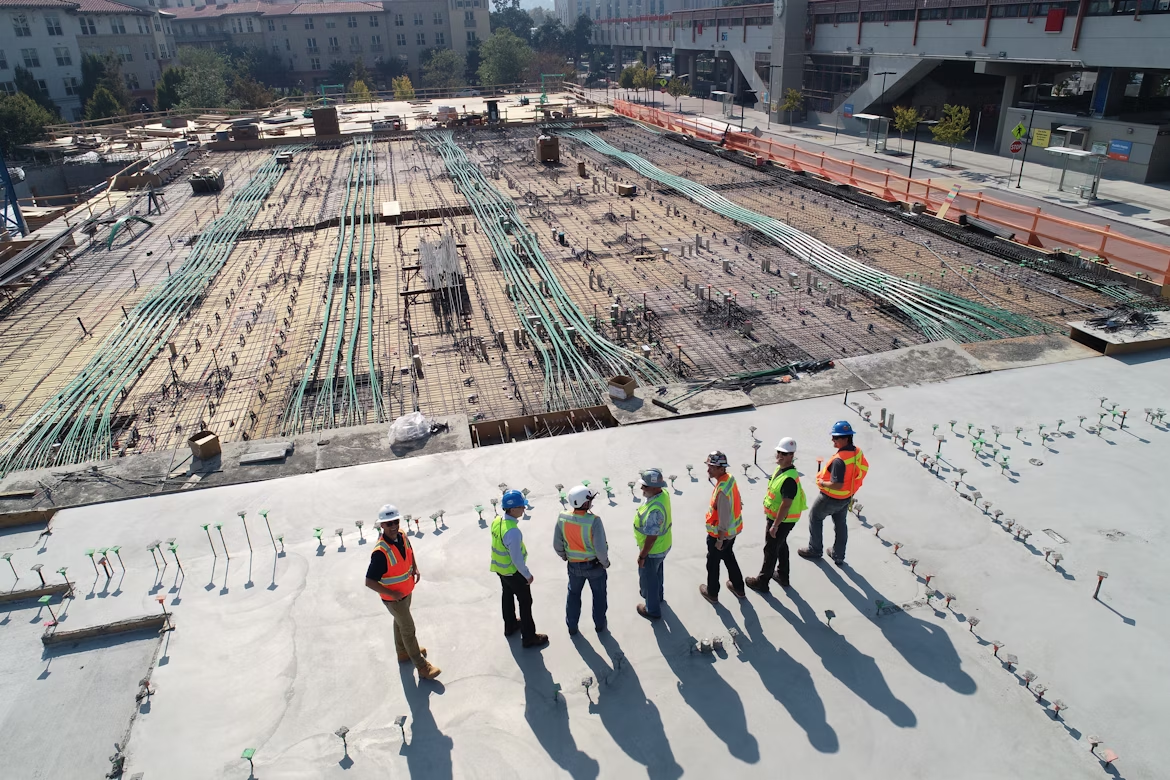
Modern construction projects demand a level of coordination, accuracy, and communication that wasn’t required decades ago. Teams today must juggle tighter deadlines, rising client expectations, and fast-moving project conditions. Without a structured approach, even experienced managers can lose momentum, causing delays that ripple through budgets, timelines, and overall project outcomes.
Construction management becomes much more manageable when leaders rely on real-world strategies that promote alignment and reduce friction. Practical planning, proactive scheduling, and organized collaboration help keep every team member moving in the same direction. These methods support not only smooth workflows but also healthier project relationships.
These six strategies emphasize how modern construction crews stay in sync and avoid costly delays. From prep and risk steps to scheduling tactics and leadership moves, see proven practices shared here that help make construction managers more able, steady, and fruitful.
-
Strengthen strategic planning for every construction project
Great construction management starts with great planning. Don’t even talk about sticking a shovel in the ground before you have clearly outlined goals and client expectations, a budget, and a timeline.
Define deliverables from the very beginning so that every decision relates back to the project’s main objective. Intentional planning leads to less wasted time for the team because rework is found earlier and helps keep focus throughout the build.
Clear alignment between the client and the construction team eliminates the uncertainty that most often surfaces later. Project goals need to be documented, reviewed, and validated by all parties.
This encompasses specifying materials, establishing performance standards, and outlining what a “successful outcome” means. Realistic timelines and budgets then shape a roadmap that takes the crew from breaking ground to handing over the keys.
Tools and techniques that improve planning
Modern construction planning works much more effectively when supported by digital tools. These include construction software, feasibility studies, and risk assessments, which help managers assess the project’s constraints and anticipated challenges at an early stage.
Using software for construction project management by Fieldwire is highly advantageous because it provides planning, task management, and progress tracking in one place, keeping teams organized right from day one.
Collecting stakeholder feedback at the planning stage is essential. Gathering input early on expectations reduces the risk of miscommunication later. Visual diagrams, good documentation, and shared planning boards help a team communicate scope well to balance competing priorities.
2. Build clearer communication and stronger collaboration
Clear communication keeps construction projects stable and predictable. When teams exchange updates consistently, misunderstandings drop and productivity rises. Establishing well-defined communication channels ensures that information flows to the right people at the right time..
Real-time updates are critical because conditions on a job site change fast. Using digital tools to report progress, note issues, and share decisions helps teams adjust quickly. Regular team meetings give space to clarify responsibilities, review work, and confirm daily objectives. When communication becomes routine, project alignment becomes much easier to maintain.
Improving cross-team collaboration
Cross-team collaboration happens when teams feel supported and stay informed. Material, schedule, and task coordination through shared platforms avoids overlap or delays between teams.
Feedback loops sustain workflow by encouraging both onsite and offsite workers to raise issues early on. Collaboration works best when all members understand their roles and have confidence that others are working with the same information.
Engaging stakeholders throughout the project
Consistent engagement with all three categories- clients, subcontractors, and external partners pays off. Meaningful updates provide stakeholders with progress information without requiring detailed technical knowledge.
Raising issues at an early stage adds professionalism and stops small concerns from snowballing. Visual tools make it easier for stakeholders to update timelines, diagrams, or Gantt charts, helping them stay informed and invested in the project’s success.
3. Manage resources and workflows with efficiency
Practical resource and workflow management keep construction teams active and eliminate avoidable downtime. Once the labor, equipment, and materials are known, tasks can be assigned to avoid overlaps and minimize delays.
The benefits of this go beyond just the supply chain. They make everyone’s job easier, from warehouse cleaning and materials loading, all the way to the actual on-site tasks.
Some of the areas where this (systemic) approach makes the biggest difference are:
- Key resource and workflow strategies
- Assign resources based on priority to prevent overloads and ensure teams focus on the most critical tasks first.
- Monitor equipment, material usage, and labor allocation to reduce downtime and avoid bottlenecks before they impact the schedule.
- Use task-management systems to simplify complex steps, streamline responsibilities, and automate repetitive processes where possible.
- Track expenses carefully with digital tools to uncover cost-saving opportunities, maintain transparency, and prevent budget overruns.
Effective workflow and resource strategies keep every phase aligned, reducing waste and keeping the entire project on track.
4. Strengthen risk management and enforce quality control
Risk mitigation starts well before a project commences. Pre-conceived matters allow construction managers to address factors that have already caused delays.
By knowing in advance what the risks are-whether they be environmental, logistical, or financial- teams have time to prepare alternate plans. As the project changes, add new problems and dynamic conditions at the job site to these plans and update them constantly.
Quality control, too. Benchmarks set the quality standard they have to meet. Frequent inspection catches problems early, long before they sit in the final result. Performance metrics give managers objective insight into how well the team is performing and highlight areas that need improvement.
Safety forms another pillar in effective construction management. Enforcing safety protocols avoids accidents, protects workers, and maintains productivity at its best level. Regular training builds workers’ confidence and reduces the risk of injury.
Regulatory requirements are more than just legal obligations; they are crucial to maintaining the perception of a dependable, reputable workplace where teams work securely and harmoniously.
5. Improve scheduling and timeline management
A schedule forms the basis of an efficiently conducted construction project. Realistic timelines will not allow teams to rush through work and make mistakes that lead to rework. Monitoring ensures that progress against original expectations is tracked and allows managers to take early action on delays.
Everyone must fully understand how the schedule is progressing and what adjustments may be needed along the way; this requires transparency.
Developing workable project schedules
The division of work gives a clear view of responsibility. Scheduling software clearly displays the list of tasks to be performed, so managers can easily assign responsibilities and track their completion.
The inclusion of buffer time makes the schedule more shock-resistant to unexpected issues such as weather delays and supply shortages. The team gets extra space to stay on the go without falling behind.
Monitoring and adjusting timelines
Reviewing schedules keeps the team aware of any changes that might affect the project’s flow. If there are delays, responding immediately will prevent further complications. The adjustments should be communicated clearly so that no team member is left uninformed.
Meeting project milestones
Milestones divide big projects into doable parts. Setting expectations shows what success means at each level. Watching progress by hitting these marks gives a sense of how things are going and where work is needed. These signs help groups cheer for wins while keeping the main project time in mind.
6. Lead teams effectively and make informed decisions
Leadership is what sets the tone and defines the direction of a construction project. Only management that leads clearly, confidently, and equitably inspires workers to give their best performance.
Relaying the importance of leadership in setting priorities and holding everyone accountable makes teams more upbeat and well-organized. Decisions based on solid information allow leaders to be nimble and lower the risk of making an expensive mistake.
Leadership strategies for construction managers
Great leaders set by example. Duty delegation ensures that the right person does the right thing at the right time. Where accountability exists, trust is built and professionalism is inspired on-site. Leaders should use insights from data and team input to balance short- and long-term needs, stakeholder buy-in, and support with decisions that contribute to the final project goal.
Monitoring performance and giving meaningful feedback
Clear performance benchmarks keep teams aware of expectations and allow progress to be measured relatively. Regular reviews help managers catch issues early and guide workers through improvements.
Providing meaningful feedback, specific, constructive, and timely, helps teams grow their skills and stay motivated. This ongoing communication builds stronger relationships and promotes long-term productivity.
Why better construction management starts now
Excellent planning, clear communication, setting work steps, intelligent scheduling, understanding risks, and strong leadership all help make effective building control.
Each way helps the others, creating a neat place where groups work well and are sure. When building bosses use these rules consistently, they build better teams that deliver better results and keep every task to a good end.