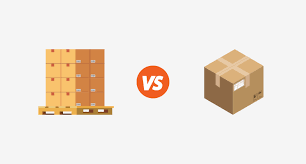
Choosing the right shipping method can feel overwhelming, especially when you’re caught between less than truckload freight and parcel shipping. Both options serve specific needs, and understanding their differences helps you make informed choices for your shipments. Less than truckload freight works best for large shipments that don’t fill an entire truck. This method is cost-effective and eco-friendly, as it lets you share truck space with others. On the other hand, parcel shipping suits smaller packages, often handled by carriers like FedEx or UPS. It’s ideal for sending individual packages quickly. Small businesses often use parcel shipping for daily operations. Knowing when to use each method is crucial. Remember, less than truckload freight offers savings and sustainability, while parcel shipping provides speed and convenience. You can streamline your shipping process and cater to your specific needs by weighing these differences. Explore these options to ship efficiently and effectively.
Understanding Less Than Truckload Freight
Less than truckload freight, or LTL, is a smart choice for shipments that are too large for parcel delivery but don’t require a full truck. You pay only for the space you use, making it a cost-effective option. This method also reduces the environmental impact by consolidating shipments. LTL is perfect for businesses that need to ship several pallets at once. It offers flexibility and often includes additional services like lift gates and inside delivery.
Exploring Parcel Shipping
Parcel shipping is the go-to option for smaller, lighter packages. This method is ideal for sending single boxes or smaller bundles quickly. Parcel carriers like USPS, FedEx, and UPS provide reliable services with tracking updates, ensuring peace of mind. Parcel shipping is excellent for e-commerce businesses that need to fulfill small orders regularly. Choose parcel shipping when speed and simplicity are your priorities.
Key Differences at a Glance
| Aspect | Less Than Truckload Freight | Parcel Shipping |
|---|---|---|
| Best For | Large, heavy shipments | Small, light packages |
| Cost-Effectiveness | High for shared space | Varies with size and weight |
| Speed | Generally slower | Generally faster |
| Environmental Impact | Lower due to consolidation | Higher due to individual transport |
Considerations for Choosing Your Shipping Method
To decide between LTL and parcel shipping, assess your specific needs. Consider the size and weight of your shipments. Large and heavy shipments typically benefit more from LTL. For frequent smaller shipments, parcel delivery is practical. Also, evaluate your budget. LTL can save you money by sharing space, while parcel shipping costs vary based on weight and dimensions.
Think about delivery speed. Parcel shipping often provides quicker delivery, making it suitable for time-sensitive packages. If you’re shipping environmentally-friendly products, LTL’s reduced environmental impact aligns with sustainable business practices.
Real-World Example
Imagine a small business that sells handmade furniture. They need to ship a few pieces across the country each week. LTL shipping offers a cost-effective solution by consolidating shipments with other companies. On the other hand, a boutique that sells handmade jewelry prefers parcel shipping for its speed and efficiency, ensuring customers receive their purchases quickly.
Conclusion
By understanding the distinctions between less than truckload freight and parcel shipping, you can optimize your shipping strategy. Each method offers unique benefits. Less than truckload freight excels in cost savings and sustainability. Parcel shipping provides speed and convenience. Evaluate your business needs to choose the right approach.
For further insights, you can explore resources from the USA.gov. Empower yourself with knowledge to make the best shipping choice. Whether you’re sending large furniture or small trinkets, a suitable shipping solution awaits you.