Business News
Stop Wasting Money: The Ultimate Guide to Choosing Your Forever Coffee Machine


In a world that often feels too fast and too expensive, deciding to invest in a great home coffee machine is a definite lifestyle upgrade. Having a reliable source of café-quality coffee right there on your counter gives you an unbeatable mix of convenience, quality, and control. It turns the usual morning chaos into a calm, comforting ritual – a perfect little moment to hit the brakes and indulge. Sure, the machine is a big purchase, but you’ll find the savings add up quickly once you skip those pricey daily visits to the high street coffee shop.
Beyond just saving money and time, brewing at home gives you total customization. You get to choose the beans, the grind, the temperature, and the milk texture, guaranteeing every cup tastes exactly the way you want it. When you’re ready to find your perfect coffee partner, the market really boils down to two main options, each appealing to a different kind of enthusiast: the Bean-to-Cup Machine (the ultimate automatic helper) and the Traditional Espresso Machine (for the hands-on coffee purist).
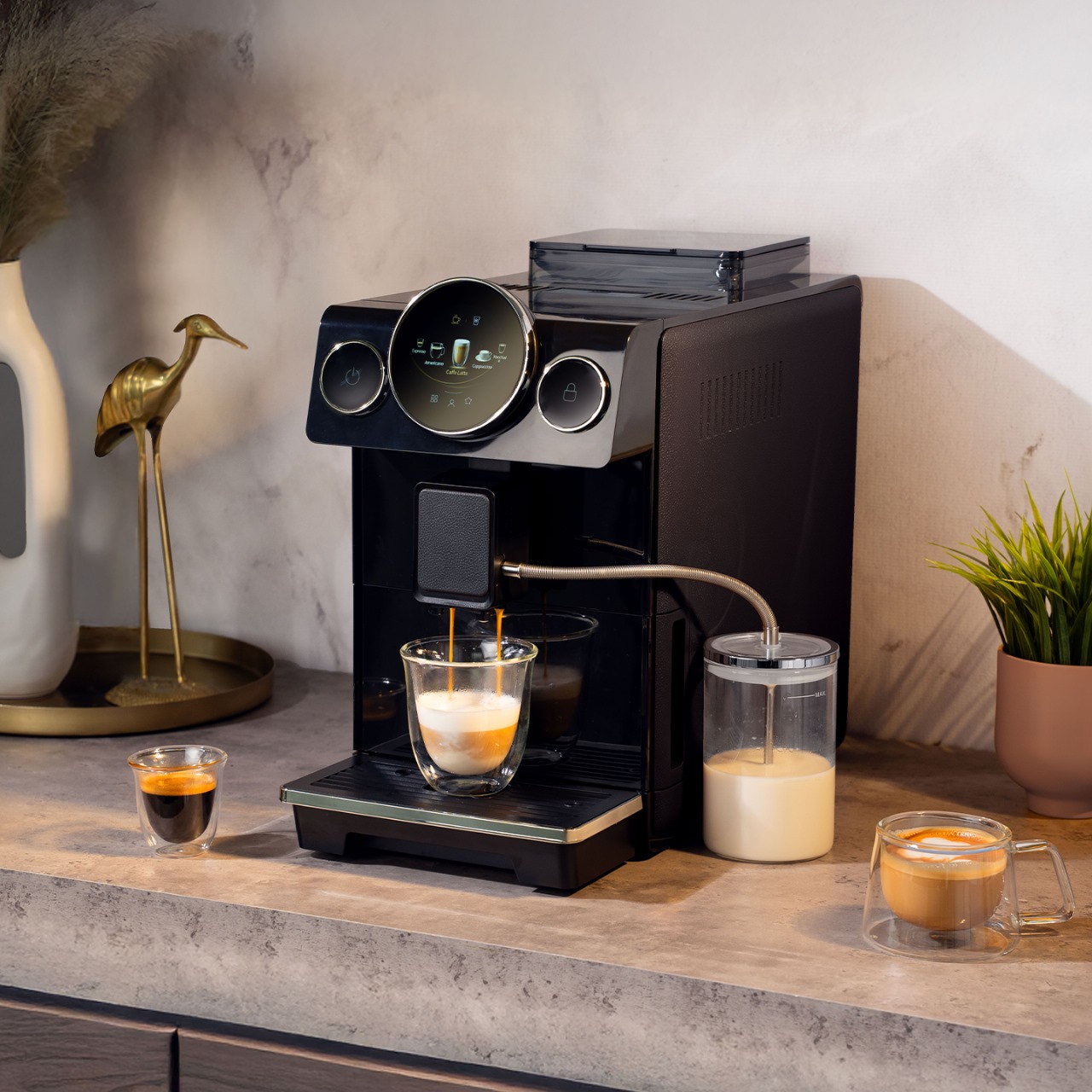 They’re incredibly user-friendly and require no fancy barista skills. However, all that simplicity has a trade-off: customization is limited to pre-set options like volume or strength. Also, because they have complex internal parts (the grinder and brew group), they demand regular, detailed cleaning and descaling. The upfront cost is typically high, and the internal grinder can make quite a bit of noise. Ultimately, bean-to-cup coffee machine models are the perfect fit for busy households where everyone values speed and dependable results over detailed, hands-on control.
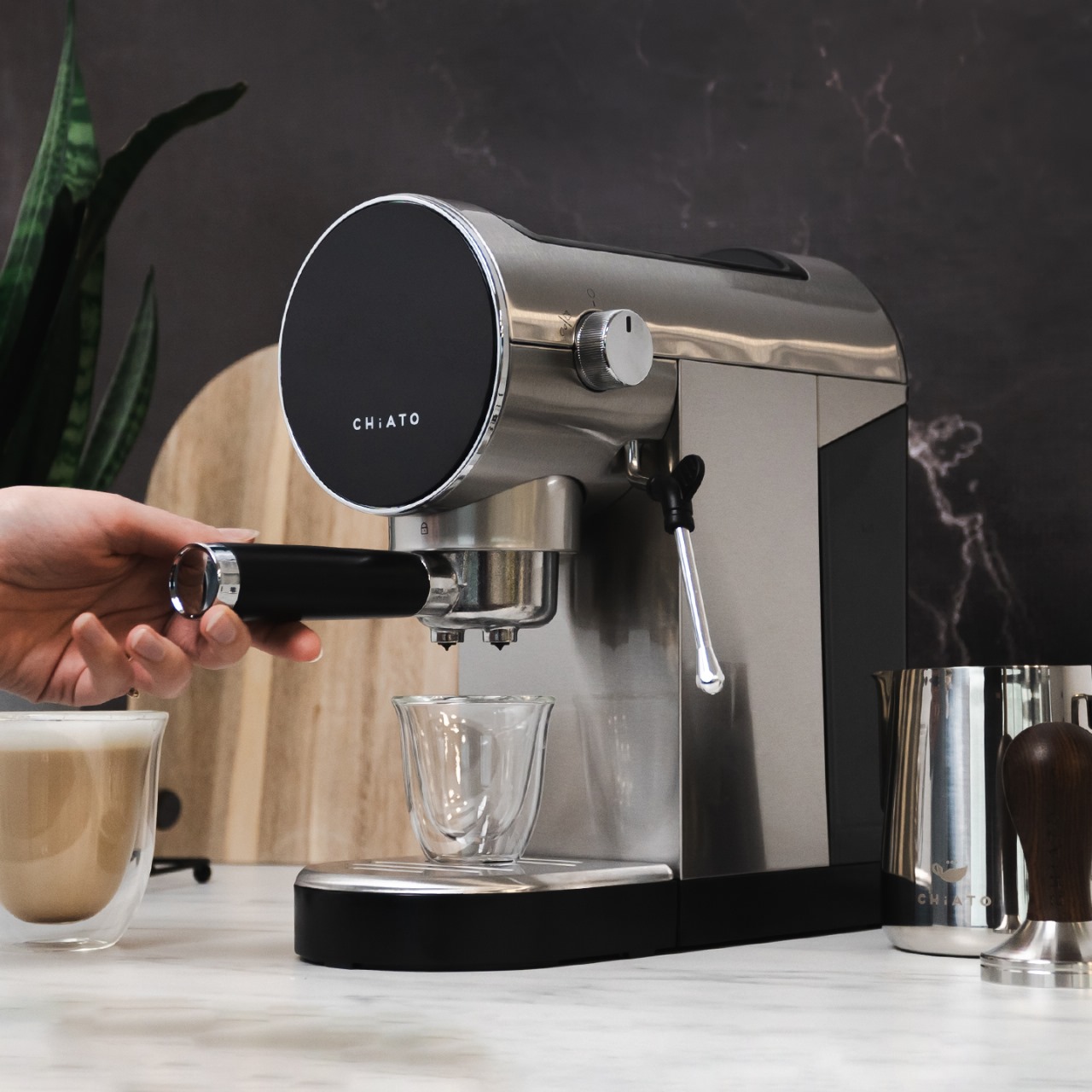 This level of interaction gives you ultimate control over every single variable, meaning an experienced user can pull shots that truly surpass anything an automated machine can do. But be warned: this takes skill and time. Mastering the technique requires practice and patience, and making just one drink takes longer and involves more cleanup. You also need to budget for a great grinder, which is an essential piece of equipment. Despite the initial challenge, these machines are generally very durable due to simpler mechanics, and they’re highly upgradeable. This makes them the obvious choice for the dedicated hobbyist who prioritizes achieving the absolute best shot quality possible.
Bean-to-Cup: The Easiest Way to Great Coffee
Bean-to-cup machines – sometimes called super-automatics – are the champions of convenience, designed for anyone who wants specialty coffee with basically zero effort. Their appeal is simple: one button push, one perfect cup. These systems handle everything internally: they grind fresh beans just before brewing, dose the coffee, tamp it, pull the shot, and often steam the milk too. The huge advantage here is that effortless convenience, making them ideal for those hectic mornings because they’re fast and consistent.
They’re incredibly user-friendly and require no fancy barista skills. However, all that simplicity has a trade-off: customization is limited to pre-set options like volume or strength. Also, because they have complex internal parts (the grinder and brew group), they demand regular, detailed cleaning and descaling. The upfront cost is typically high, and the internal grinder can make quite a bit of noise. Ultimately, bean-to-cup coffee machine models are the perfect fit for busy households where everyone values speed and dependable results over detailed, hands-on control.
Traditional Espresso Machines: Mastering the Craft
The traditional, or semi-automatic, espresso machine is the benchmark for true coffee enthusiasts – people who see brewing as a rewarding hobby. These machines demand – and reward – user involvement at every stage. The machine itself only manages the water heating and pressure. You, the barista, have to manually grind the beans (using a separate, high-quality grinder), weigh the precise dose, tamp the grounds into the portafilter, lock it in, and manually steam your milk with a wand.
This level of interaction gives you ultimate control over every single variable, meaning an experienced user can pull shots that truly surpass anything an automated machine can do. But be warned: this takes skill and time. Mastering the technique requires practice and patience, and making just one drink takes longer and involves more cleanup. You also need to budget for a great grinder, which is an essential piece of equipment. Despite the initial challenge, these machines are generally very durable due to simpler mechanics, and they’re highly upgradeable. This makes them the obvious choice for the dedicated hobbyist who prioritizes achieving the absolute best shot quality possible.