Beyond Diabetes: Why UK Researchers Are Watching Tirzepatide’s Expanding Trial Programme

When tirzepatide first appeared in clinical trials, it was studied for type 2 diabetes. Today it is one of the most widely researched molecules in medicine, with trials stretching from sleep apnoea to heart failure. For UK researchers, its expanding trial programme offers a running lesson in how one metabolic peptide can touch almost every system in the body.
A quick refresher
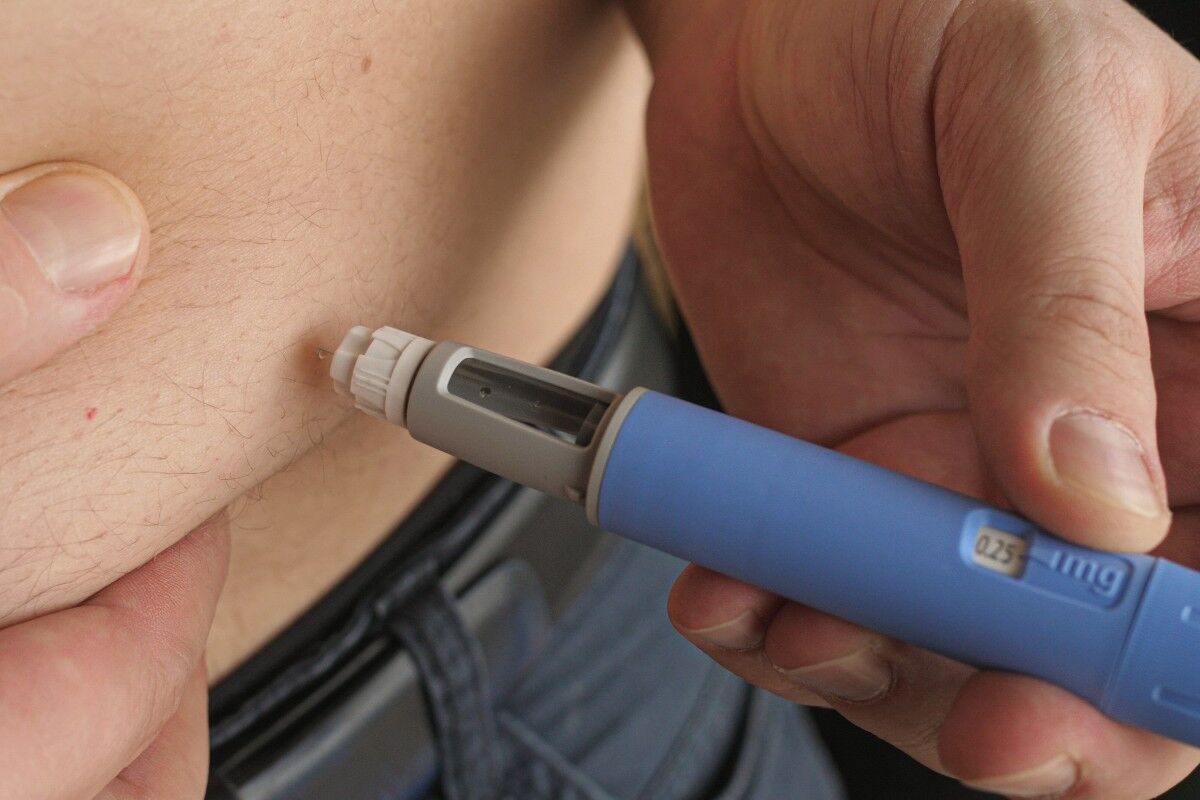
Tirzepatide is a 39-amino-acid synthetic peptide that activates two receptors: GLP-1 and GIP. Both respond to hormones released by the gut after a meal and help regulate insulin, blood sugar and appetite. A fatty acid chain attached to the molecule allows it to last for about a week in circulation. In the UK it is licensed as Mounjaro for type 2 diabetes and weight management.
Beyond blood sugar
The SURPASS trials established tirzepatide in type 2 diabetes, and the SURMOUNT programme showed large effects on body weight. But the most interesting recent work has looked further afield.
In obstructive sleep apnoea, a condition closely linked to excess weight, the SURMOUNT-OSA trials reported substantial reductions in breathing interruptions during sleep, leading regulators in the United States to approve tirzepatide for that use in people with obesity. Heart failure with preserved ejection fraction, a common and hard-to-treat form of heart failure, has been studied in the SUMMIT trial, which reported improvements in symptoms and physical function. Researchers are also examining kidney disease and fatty liver disease, both of which are closely tied to metabolic health.
Why one molecule reaches so far
The breadth of these results says something important about biology. GLP-1 and GIP receptors are found not only in the pancreas but in the brain, the gut, the heart, blood vessels, fat tissue and the kidneys. Excess weight and insulin resistance place strain on all of those organs. A compound that improves metabolic control can therefore influence conditions that look, at first glance, unrelated.
For laboratory scientists, this raises a key question: which effects come directly from receptor activity in a given tissue, and which follow indirectly from weight loss? Untangling that is one of the main goals of current cell and tissue research.
What the lab work looks like
Much of this investigation happens in vitro. Researchers expose cultured cells, such as fat cells, liver cells or heart muscle cells, to tirzepatide and measure changes in gene expression, fuel use, inflammation markers and cell signalling. Receptor-binding assays compare how strongly the molecule activates GLP-1 and GIP receptors, and how that balance differs from other compounds.
These experiments require research-grade tirzepatide: freeze-dried peptide in sealed vials, supplied for laboratory use only rather than as a medicine. The material must be pure and correctly identified. A batch contaminated with impurities or under-filled can easily produce misleading results.
UK supplier Revial Labs provides research-grade tirzepatide with independent third-party testing, including HPLC purity and mass spectrometry identity results matched to each batch.
Medicine versus research compound
It is worth being clear about the distinction. Licensed tirzepatide is a prescription medicine, manufactured to pharmaceutical standards and supplied through the NHS or registered pharmacies after a clinical assessment. Research-grade tirzepatide is not a medicine and is not intended for human use. This guide to tirzepatide in the UK explains the difference in more detail, along with the science behind the compound.
Anyone considering tirzepatide for their own health should speak to a GP or pharmacist, who can advise on eligibility and safe use.
Questions still open
Several big questions remain. How much lean tissue is lost alongside fat, and can it be protected? What happens to weight and metabolic markers when treatment stops? Are there long-term effects on the pancreas, gallbladder or thyroid that only appear over many years? And how do the GLP-1 and GIP components each contribute to effects in the heart and kidneys?
Each of these will take years of laboratory and clinical work to answer fully. For UK researchers, tirzepatide is no longer just a diabetes drug. It is a window into how closely metabolism, the brain and the cardiovascular system are linked.
Research-grade compounds discussed in this article are supplied strictly for laboratory use only and are not for human or veterinary use.