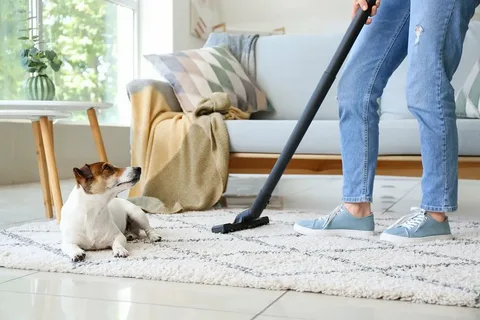
If you’ve ever watched your pet make a meal look like a small-scale natural disaster, you’ll know the mix of pride and exasperation it brings.
Kibble strewn across the floor, tipped-over water bowls, and the faint smell of leftovers—it’s the chaos we love. Cleaning it, though, is definitely not anyone’s favourite pastime.
Fortunately, with a few clever habits and the occasional resigned chuckle, you can keep that feeding area neat without turning your life into a full-time scrubathon. So, keep reading to learn more.
Pick the Perfect Spot
You might think any corner will do for your pet’s dinner, but trust us, a poorly chosen spot can turn into a daily disaster zone. Pick it wisely, and you’ll save yourself a lot of scrubbing, spills, and side-eyes from anyone who steps on a stray paw print.
Start by thinking about the floor. Hard surfaces, like tile, laminate, or even sealed wood, are easy to sweep, wipe, and mop without worrying about stains sinking in.
Carpeted areas, on the other hand, can turn even the tiniest spill into a full-blown cleaning mission, so unless you enjoy living on the edge, give carpets a wide berth.
Next, consider the traffic flow in your home. You want somewhere your furry friend can eat in peace, away from the constant shuffle of feet and the occasional accidental kick from little ones darting past.
A calm corner or a spot tucked slightly off the main path is ideal. If you can, make sure it’s near a window or door, as a bit of fresh air will keep odours under control.
Add Mats and Liners
Want to make cleaning easier? A simple mat or liner can be a lifesaver when it comes to keeping your pet’s feeding area tidy. They’ll save your floors from spills, stray kibble, and the occasional enthusiastic tail swipe.
If you don’t know which type to opt for, here’s what we recommend:
- Invest in waterproof mats. Choose waterproof mats to catch spills and prevent stains from reaching your flooring.
- Choose mats with raised edges. These are brilliant for containing messes in one spot—no more chasing stray crumbs or discovering a puddle hours later.
- Go machine-washable where possible. Selecting mats that are machine-washable is a small convenience with a big payoff. You can simply toss them in the washer when needed, and they’ll come out fresh and ready for another round.
- Use liners. Add liners under the bowls for an extra layer of protection, keeping moisture and food particles off your floor.
Select Easy-to-Clean Bowls
Once you’ve sorted the location, it’s time to pick the bowls. Generally speaking, we recommend going for something durable, hygienic, and low-maintenance, so you don’t end up dealing with scratches or chasing lingering smells every evening.
Stainless steel and ceramic bowls are the clear winners here. They’re tough, easy to clean, and less likely to hold onto bacteria than plastic, which can get scratched and trap grime fast.
Many also come with non-slip bases, which will keep the bowl in place even when your enthusiastic pet decides to turn snack-time into a full-contact sport.
Think about the bowls’ size, too. A bowl that’s too big can lead to overeating or food spills. On the other hand, if you get one that’s too small, that can lead to frustration and messes.
And while we’re at it, think about your own convenience. Dishwasher-safe bowls are a small investment that will save you hours of scrubbing, and smooth surfaces mean fewer trapped crumbs and fewer ‘what’s that smell?’ moments.
Set Up a Regular Cleaning Routine
Cleaning your pet’s feeding area doesn’t have to be a dreaded chore that eats up your evening. With a solid routine and the right products, it can be incredibly easy.
Every day, grab a damp cloth or sponge and sweep up any crumbs, spilt kibble, and the occasional water puddle. This way, you can keep bugs, odours, and sticky messes at bay.
Then, once a week, go for a deeper clean. Remove the bowls, scrub the mats, and wipe the surrounding area. Look out for those sneaky crumbs hiding under furniture or in corners; they tend to gather quietly until you step on them barefoot.
Now, the products you use are just as important as the routine itself. Here are a few good suggestions:
- Choose pet-friendly cleaners. Stick to pet-friendly, non-toxic cleaners that fight germs without leaving a chemical cloud.
- Consider DIY options. If you prefer something inexpensive and environmentally friendly, vinegar and baking soda are brilliant at cutting odours and loosening grime.
- Use enzyme-based products for accidents. Enzyme-based cleaners are a must if there’s a little accident. They break down odours at the source instead of just masking them.
- Use dedicated cleaning tools. Always use a dedicated brush for pet messes and never mix it with your kitchen tools.
However, since deep cleaning can be time-consuming, consider bringing in a residential home cleaning service every once in a while if you’re too busy. This way, you can save yourself some valuable time and make sure your furry friend’s feeding area is germ-free.
Keep Pests at Bay
Even the tidiest feeding area can attract unwanted visitors if you’re not careful. Ants, flies, and the occasional curious mouse are just as drawn to food-filled corners as your furry companion is.
But with a few simple habits, you can keep these freeloaders away without turning your home into a fortress.
First off, clean up crumbs and spills immediately; any leftover food is basically an open invitation.
Also, store dry kibble in airtight containers to keep it fresh and prevent pantry invaders from sniffing out a feast.
For extra protection, you can use gentle, pet-safe deterrents, like citrus peels or vinegar-soaked cotton balls, near entry points.
By staying on top of this, you’ll protect your home from pests and make sure mealtime stays safe, because no one wants a side of ants with their pet’s dinner!
Conclusion
Imagine your pet happily munching on their dinner with no crumbs or pests to ruin their mealtime—bliss, right? So, go on and give our tips a whirl.
Your furry friend will notice, and you might even catch yourself smiling at the shine. Who knew cleaning could feel a little like a paw-some game?