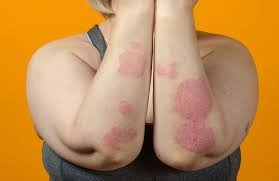
Living with a chronic skin condition such as psoriasis or eczema can affect far more than just physical comfort. For many people, managing visible symptoms becomes part of everyday life — from professional settings to social situations — making consistent, practical self-care essential for both skin health and overall wellbeing.
While there is no single solution that works for everyone, establishing a skin-friendly daily routine can help support the skin barrier and reduce common triggers that contribute to flare-ups.
Understanding the Importance of Consistency
Psoriasis and eczema are often influenced by environmental factors, stress levels, and lifestyle habits. Sudden changes in routine, exposure to harsh products, or poor sleep can all place additional strain on already sensitive skin.
A consistent approach to skincare and daily habits allows the skin time to stabilise and adapt. Rather than chasing quick fixes, long-term improvements are often the result of small, repeatable actions carried out daily.
Gentle Skincare as a Foundation
One of the most important aspects of a skin-friendly routine is avoiding unnecessary irritation. This starts with choosing gentle, fragrance-free cleansers and moisturisers designed for sensitive or compromised skin.
Over-washing, hot showers, and abrasive exfoliation can strip natural oils and weaken the skin’s protective barrier. Opting for lukewarm water and moisturising immediately after bathing helps lock in hydration and reduce dryness.
Many people also seek guidance from trusted psoriasis and eczema care specialists who focus on education and skin barrier support rather than aggressive treatment approaches. Reliable information and condition-specific products can make it easier to build a routine that suits individual needs.
Managing Lifestyle Triggers
Daily habits outside of skincare can play a significant role in skin health. Stress, for example, is a commonly reported trigger for both psoriasis and eczema. Incorporating stress-management techniques such as light exercise, meditation, or structured downtime can support both mental wellbeing and skin balance.
Sleep quality also matters. Poor sleep can impair the body’s ability to repair itself, including the skin. Maintaining a regular sleep schedule and creating a calm evening routine may help improve overnight recovery.
Clothing choices are another often overlooked factor. Breathable, natural fabrics such as cotton are generally more comfortable for sensitive skin than synthetic materials, which may trap heat and moisture.
Nutrition and Hydration
Although diet affects individuals differently, staying hydrated and maintaining a balanced diet supports overall skin function. Some people find it helpful to monitor how certain foods affect their skin, particularly during flare-ups.
Rather than restrictive dieting, a focus on variety and moderation is typically more sustainable. Adequate water intake helps combat dryness, while nutrient-rich meals support the body’s natural repair processes.
Creating a Routine That Fits Real Life
The most effective routine is one that can realistically be maintained. Overly complex regimens are difficult to sustain and often lead to inconsistency. A simple morning and evening routine that prioritises gentle cleansing, moisturising, and trigger awareness is often enough to make a meaningful difference over time.
Accessing reliable resources, such as https://psoriasisandeczema.com.au, can help individuals better understand their condition and explore supportive products designed specifically for sensitive and problem-prone skin.
Taking a Long-Term View
Living with psoriasis or eczema requires patience. Improvements may be gradual, and flare-ups can still occur despite best efforts. However, adopting a consistent, skin-friendly daily routine can help reduce severity, improve comfort, and restore a sense of control.
By focusing on gentle care, lifestyle balance, and informed decision-making, individuals can better support their skin while maintaining confidence in both personal and professional environments.