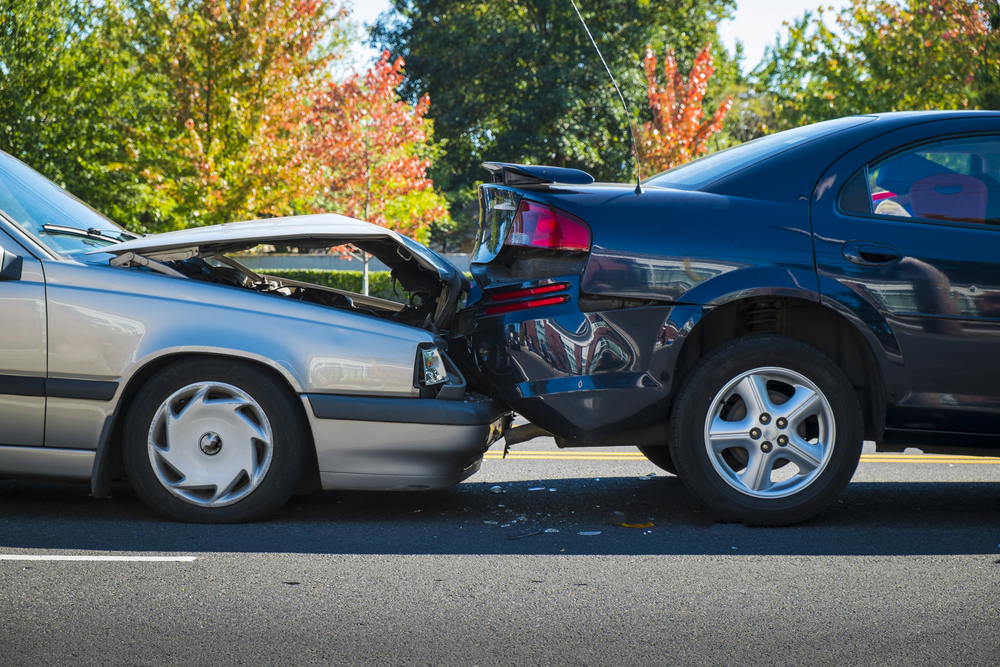
Car crashes in New Jersey happen fast and hit hard. You may feel scared, angry, or confused. You still need to know your rights and your duties on the road. New Jersey has special rules that control who pays for medical bills, when you can sue, and what your own insurance must cover. One wrong choice after a crash can cost you money, time, and sleep. This guide explains the key New Jersey car accident laws you should know before you turn the key. It covers no fault insurance, lawsuit limits, and what you must do at the scene of a crash. It also points you to public resources and legal help, including https://chamlinlaw.com/personal-injury-lawyer-oceanport/. When you understand these rules, you can protect your health, your family, and your future after a crash on any New Jersey road.
New Jersey Is A No Fault State
New Jersey uses a no fault system for many car crashes. Your own insurance often pays your medical bills first. The law calls this Personal Injury Protection or PIP.
Here is what that means for you
- You use your PIP coverage for medical treatment after a crash.
- You use it even if the other driver caused the crash.
- You must follow your policy rules for doctors and treatment.
You choose your PIP limits when you buy your policy. Low limits can run out fast after an emergency room visit or surgery. You carry the risk if your coverage is too low.
You can read more about PIP rules on the official New Jersey Department of Banking and Insurance site at https://www.nj.gov/dobi/division_consumers/insurance/auto.htm.
Limited Right To Sue Versus Unlimited Right To Sue
New Jersey gives you a choice on your policy. You pick a lawsuit option. That choice controls when you can sue the at fault driver for pain and suffering.
| Policy Option | When You Can Sue For Pain And Suffering | Typical Cost Of Premium | Risk To You
|
|---|---|---|---|
| Limitation on Lawsuit (Limited Right to Sue) | Only if you have a serious injury such as loss of a body part, major scarring, loss of a fetus, permanent injury, or death | Lower | You may not collect for pain and suffering even if the other driver clearly caused the crash |
| No Limitation on Lawsuit (Unlimited Right to Sue) | Any injury that meets basic legal rules, even if not permanent | Higher | You pay more now but keep a wider right to sue later |
Many drivers pick the cheaper option without reading the fine print. That choice can block your claim after a crash. You should check your policy now. You can change this option when you renew.
Minimum Insurance Requirements In New Jersey
New Jersey law sets minimum auto insurance levels. You cannot drive without at least the basic required coverage.
| Coverage Type | Basic Policy | Standard Policy (Typical Minimum)
|
|---|---|---|
| Bodily Injury Liability | Optional coverage | At least $25,000 per person and $50,000 per crash |
| Property Damage Liability | At least $5,000 per crash | At least $25,000 per crash |
| Personal Injury Protection (PIP) | At least $15,000 per person per crash | At least $15,000 per person per crash |
These numbers come from New Jersey auto insurance law. You can confirm current minimums through the New Jersey Motor Vehicle Commission at https://www.state.nj.us/mvc/vehicles/insurance.htm.
Basic policies often leave you exposed. A serious crash can burn through minimum limits in hours. You may then face personal bills or lawsuits.
What You Must Do At The Scene Of A Crash
New Jersey law expects certain steps after a crash. You must follow these steps even when you feel shaken.
You should
- Stop your car in a safe spot and stay at the scene.
- Call 911 if anyone has pain or if cars block traffic.
- Exchange names, contact details, and insurance data with other drivers.
- Get contact details for witnesses.
- Take photos of the cars, road, and any visible injuries.
You must report a crash to police if there is injury or death. You must also report it if property damage seems to be $500 or more. You can later request a copy of the crash report from the police agency that handled the scene.
Deadlines To Bring A Claim Or Lawsuit
New Jersey sets strict time limits for lawsuits. The law calls this a statute of limitations. If you miss the deadline you lose your claim.
- For most injury claims you have two years from the crash date.
- For property damage claims you often have six years.
- For claims against a public agency you may need to file a notice of claim within 90 days.
These rules can change based on the facts. You should not wait. Evidence fades. Witnesses move. Your own memory can blur.
How Fault Works In New Jersey Crashes
New Jersey uses a modified comparative negligence rule. The court can assign each person a share of fault.
- If you are more than 50 percent at fault you cannot collect for pain and suffering.
- If you are 50 percent or less at fault you can collect. Your money is reduced by your fault share.
For example you may win $100,000 but be 30 percent at fault. You would receive $70,000. Insurance adjusters know this rule and may push blame on you. You should be careful with what you say after a crash.
Protecting Your Family Before And After A Crash
You can take three simple steps to guard your family.
- Check your policy for PIP limits and lawsuit option. Then raise limits if you can.
- Add uninsured and underinsured motorist coverage. Many drivers carry only the minimum. This protects you if they hit you.
- Teach every driver in your home what to do at a crash scene. You can keep a checklist in the glove box.
You cannot control every driver on New Jersey roads. You can control how ready you are. Clear knowledge and strong coverage give you one thing you need after a crash. You gain a sense of power when the road turns harsh.