Victoria Derbyshire: A Powerful Voice in British Journalism
Fearless Reporting, Human Truth, and the Strength to Challenge Power

Introduction
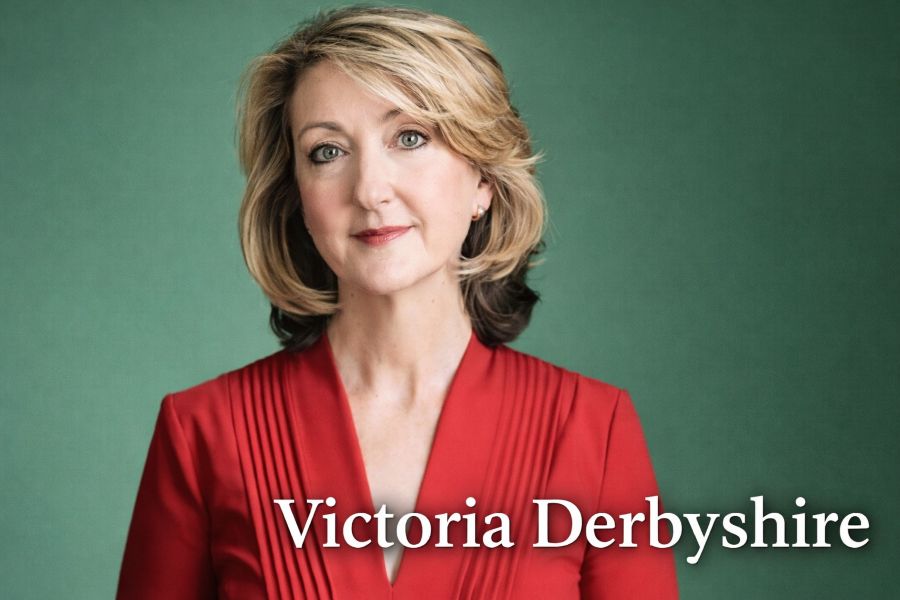
Victoria Derbyshire is one of the most recognisable and influential journalists in modern British broadcasting. Known for her direct questioning style, emotional intelligence, and refusal to avoid uncomfortable truths, she has built a career defined by courage and credibility. As a journalist who blends authority with empathy, Victoria Derbyshire has reshaped how serious issues are discussed on national television.
Table of Contents
ToggleAt the same time, her career has not been without challenges. From confronting personal trauma to navigating institutional pressures within public broadcasting, Victoria Derbyshire’s professional journey reflects both the strengths and tensions of contemporary journalism. Her story is one of resilience, integrity, and an unwavering commitment to public interest reporting.
Quick Bio
| Attribute | Details |
|---|---|
| Full Name | Victoria Antoinette Derbyshire |
| Known As | Victoria Derbyshire |
| Date of Birth | 2 October 1968 |
| Birthplace | Bury, Lancashire, England |
| Nationality | British |
| Profession | Journalist, Broadcaster |
| Education | University of Liverpool; University of Central Lancashire |
| Spouse | Mark Sandell |
| Children | Two sons |
| Known For | Current affairs journalism, BBC broadcasting |
Early Life and Background
Victoria Antoinette Derbyshire was born in Bury, Lancashire, where she spent her formative years in a working-class environment. Her early life was shaped by difficult family circumstances, including domestic abuse, an experience she has spoken about openly later in life. These early challenges played a significant role in forming her strong sense of justice and her sensitivity toward vulnerable voices.
Growing up in the North West of England also influenced her worldview. The region’s strong community identity and direct communication style became defining features of her on-air presence. Rather than distancing herself from her roots, Victoria Derbyshire carried them into national broadcasting, helping audiences feel represented and understood.
Education and Academic Foundation
Victoria Derbyshire attended Bury Grammar School for Girls, where she developed a strong interest in language and communication. Her academic ability and curiosity led her to the University of Liverpool, where she studied English Language and Literature. This grounding sharpened her analytical thinking and deepened her understanding of narrative, both of which became essential to her journalism.
She later completed a postgraduate diploma in radio and television journalism at Preston Polytechnic, now the University of Central Lancashire. This professional training provided her with the technical skills and ethical framework required for broadcast journalism, preparing her for the demanding world of live reporting and current affairs.
Start of Career in Journalism
Victoria Derbyshire began her career in local radio, working across several regional stations. These early roles required versatility, as she reported on community issues, breaking news, and human-interest stories. The experience helped her develop a practical understanding of journalism at ground level, where stories directly affect people’s lives.
This period also taught her the importance of listening. By engaging with ordinary citizens rather than political elites, she refined a questioning style that was firm yet respectful. These early lessons became a defining feature of her later national work.
Rise at the BBC
Her career took a major step forward when she joined BBC Radio 5 Live. As a presenter and interviewer, Victoria Derbyshire quickly gained a reputation for asking clear, challenging questions without resorting to theatrics. Her radio work demonstrated that authority does not require aggression, but preparation and confidence.
At the BBC, she covered major national and international events, developing the calm, steady presence that audiences came to trust. Her ability to handle sensitive subjects with composure earned respect from colleagues and listeners alike, solidifying her position within British broadcast journalism.
Transition to Television
Victoria Derbyshire’s move into television expanded her influence significantly. Appearing regularly on BBC News and current affairs programmes, she became known for interviews that prioritised accountability over spectacle. Her television work maintained the same principles that guided her radio career: clarity, fairness, and public service.
This transition was not without pressure. Television brought greater scrutiny and expectations, yet Victoria Derbyshire adapted without compromising her values. Her credibility continued to grow, reinforcing her role as a trusted voice in national debate.
The Victoria Derbyshire Programme
The launch of The Victoria Derbyshire Programme marked a defining chapter in her career. Airing on BBC Two and the BBC News Channel, the programme focused on investigative journalism, social justice, and lived experience. It offered a platform for stories often overlooked by mainstream news agendas.
While widely praised for its impact and originality, the programme also highlighted the tensions within public broadcasting between innovation and budget constraints. Its eventual cancellation was met with public discussion, illustrating both the programme’s influence and the challenges facing serious journalism in a changing media landscape.
Later Career and Ongoing Work
Following the programme’s end, Victoria Derbyshire continued to play a central role in BBC current affairs. As a lead presenter on flagship programmes, she remained at the forefront of national conversation, covering complex political and social issues with consistency and depth.
Her later work reflects a journalist who has matured without becoming detached. She continues to balance authority with humanity, ensuring that policy debates remain connected to real-world consequences.
Health and Personal Resilience
In 2015, Victoria Derbyshire was diagnosed with breast cancer. She chose to speak openly about her treatment and recovery, bringing national attention to issues of health, survival, and vulnerability. Her transparency helped reduce stigma and encouraged public conversation around serious illness.
This period reinforced her credibility as a journalist who does not separate personal truth from professional responsibility. Her return to broadcasting demonstrated resilience and strengthened her connection with audiences.
Legacy and Influence
Victoria Derbyshire’s legacy lies in her commitment to journalism that serves the public rather than power. She has shown that rigorous questioning and compassion are not opposites, but partners in meaningful reporting. Her work has influenced a generation of journalists seeking to balance integrity with impact.
At the same time, her career highlights the ongoing challenges faced by serious journalism in a competitive media environment. Through both success and controversy, Victoria Derbyshire remains a symbol of principled broadcasting in modern Britain.
Conclusion
Victoria Derbyshire stands as a powerful example of what journalism can achieve when truth, empathy, and accountability are held together. Her career reflects strength built through adversity and professionalism shaped by purpose. As British media continues to evolve, her voice remains a vital part of its moral and intellectual foundation.
Frequently Asked Questions
Who is Victoria Derbyshire?
Victoria Derbyshire is a British journalist and broadcaster known for her work in radio and television current affairs.
What is Victoria Derbyshire’s full name?
Her full name is Victoria Antoinette Derbyshire.
What is Victoria Derbyshire known for?
She is known for investigative journalism, strong interviewing, and presenting major BBC current affairs programmes.
Did Victoria Derbyshire face health challenges?
Yes, she was diagnosed with breast cancer in 2015 and later returned to broadcasting after treatment.
What defines Victoria Derbyshire’s journalistic style?
Her style is defined by clarity, empathy, accountability, and a strong focus on public interest reporting.