Maximizing Profit and Compliance: The Ultimate Guide to Car Wash Water Recycling Systems

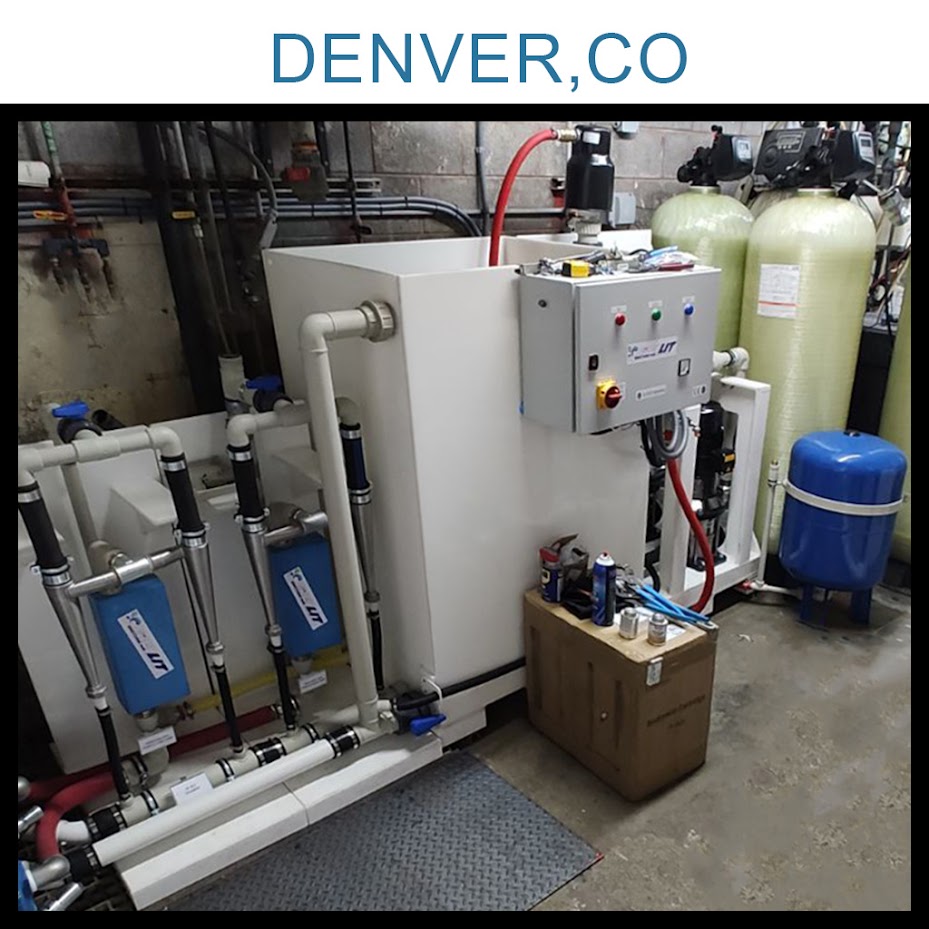
Water is the lifeblood of the car wash industry, but in today’s economic and environmental climate, it is also one of the largest liabilities. Rising municipal water rates, expensive sewer tap fees, and increasingly stringent environmental regulations are squeezing profit margins for operators across the country. The “use and drain” model is rapidly becoming obsolete. To remain competitive and compliant, modern facilities are turning to technology. Implementing a robust car wash water recycling system is no longer just an eco-friendly “nice-to-have”—it is a strategic operational asset that secures the long-term viability of your business.
Whether you are building a new express tunnel, managing a fleet maintenance depot, or retrofitting an existing self-serve bay, the ability to capture, treat, and reuse water changes the math of your business model. It transforms a variable cost into a fixed asset and insulates your operation from drought restrictions and regulatory fines.
This detailed guide will walk you through the mechanics of these systems. We will explore the critical role of oil water separators, deep dive into the filtration & degerming processes necessary to prevent odors, and help you understand how wash recycling systems can deliver a return on investment (ROI) that goes beyond the balance sheet.
The Strategic Case for Wash Recycling Systems
Before delving into the nuts and bolts of the hardware, it is essential to understand the “why” behind water reclamation. Wash recycling systems are engineered to address three primary pressure points for car wash operators: cost, compliance, and continuity.
Reducing Utility Costs and Sewer Fees
The economics of water are simple: you pay for it twice. You pay to bring fresh water in, and you often pay a higher rate to send it down the sewer. A standard friction tunnel can use anywhere from 30 to 120 gallons of water per car. Without recycling, that volume represents a massive monthly expense.
- The Reclamation Ratio:A well-designed system can reclaim 80% to 90% of all water used. This water is perfectly suitable for undercarriage washes, high-pressure side blasters, and friction prep cycles. By reserving fresh water only for the final spot-free rinse and chemical applications, operators can slash their water bills dramatically.
- Sewer Tap Savings:Many municipalities charge sewer fees based on water consumption. By recycling, you reduce the volume of effluent leaving your property, directly lowering these fees. In some “zero discharge” configurations, you may eliminate sewer connection fees entirely for the wash process.
Regulatory Compliance and Drought Resilience
The Environmental Protection Agency (EPA) and local municipalities strictly regulate what can be discharged into storm drains and sanitary sewers. Contaminants like heavy metals, oils, and grease are major compliance risks.
- The Compliance Shield:A recycling system acts as an on-site treatment plant. Even if you do discharge some water to the sewer, the treatment process ensures that the water meets strict municipal standards for hydrocarbons and Total Suspended Solids (TSS), protecting you from hefty fines.
- Business Continuity:In drought-prone regions, car washes are often the first businesses targeted for mandatory closures. Facilities with reclaim systems are often granted exemptions, allowing them to stay open and profitable while competitors are forced to shut down.
The First Line of Defense: The Oil Water Separator
The water running off a vehicle is a toxic cocktail of road grime, brake dust, mud, and, most critically, petroleum products. Before any fine filtration can occur, these heavy contaminants must be removed. This is the function of the oil water separator.
Gravity and Coalescing Technology
Water reclamation begins in the collection pits, but the real work happens in the separator. The principle relies on the difference in specific gravity between water, solids, and oil.
- Solids Settling:As wash water enters the system, the flow is slowed to allow heavy solids (mud, sand, clay) to settle to the bottom of the tank. This “sludge” must be periodically pumped out.
- Coalescing Plates:High-efficiency systems, like those offered by industry leaders such as Freylit, utilize coalescing plate packs. These are corrugated plates that force oil droplets to collide and merge (coalesce) into larger droplets. These larger droplets rise to the surface much faster than microscopic ones.
- Surface Skimming:Once the oil rises to the top, it is skimmed off into a separate waste oil container for proper disposal. This step is non-negotiable; if oil passes through to the next stage, it will foul the fine filters and ruin the recycling process.
Protecting Downstream Equipment
The oil water separator is the gatekeeper. If it fails or is undersized, the rest of the system collapses. High concentrations of oil in recycled water can clog membrane filters, damage high-pressure pumps, and—worst of all—leave a greasy film on customer vehicles. Investing in a separator with a high removal efficiency (often capable of reducing oil content to less than 5–10 parts per million) is essential for protecting your downstream equipment investment.
Ensuring Quality: Filtration & Degerming Processes
The biggest fear for any car wash owner considering recycling is “The Smell.” We have all experienced it—a car wash that smells like rotten eggs or swamp water. This occurs when recycled water is allowed to stagnate, breeding anaerobic bacteria. This is why advanced filtration & degerming processes are the heart of a modern system. It is not enough to just remove the dirt; you must manage the biology of the water.
Physical Filtration: Polishing the Water
After the oil and heavy mud are removed, the water must be “polished” to remove fine particulates (silt, lint from wash mitts, etc.) that could clog spray nozzles.
- Cyclonic Separation:Many systems use centrifugal force to spin the water, forcing particles to the outside where they can be purged. This requires no replaceable filters and is excellent for pre-filtration.
- Media Filtration:Sand or multi-media filters (similar to pool filters but industrial grade) trap particles down to the 5–20 micron range. These filters periodically “backflush” themselves to clean out the trapped dirt, sending it back to the settling pit.
- Self-Cleaning Screens:Automatic screen filters are another low-maintenance option that physically blocks debris without the need for frequent manual cleaning.
Degerming: The Battle Against Odor
This is where the difference between a cheap system and a professional system becomes obvious. To prevent the “rotten egg” smell (caused by hydrogen sulfide gas released by bacteria), the water must be sterilized or aerated.
- Aeration:Oxygen is the enemy of anaerobic bacteria. By injecting air into the storage tanks, the system keeps the water moving and oxygenated, preventing the bacteria from colonizing.
- Ozone Injection:Ozone (O3) is a powerful oxidizer—thousands of times faster than chlorine. Injecting ozone into the reclaim tanks kills bacteria, viruses, and algae on contact. It also helps to oxidize and break down waxes and soaps, keeping the water clearer.
- Bio-Control:Some systems utilize beneficial microbes to “eat” the organic matter in the water, naturally outcompeting the odor-causing bacteria.
A proper degerming process ensures that the water sprayed onto the car is not only clean but odorless and safe for both employees and customers.
Operational Considerations for Installation
Choosing a car wash water recycling system is not an off-the-shelf purchase. It requires an analysis of your specific volume, site layout, and soil conditions.
System Sizing and Scalability
A system designed for a low-volume rollover bay will fail catastrophically in a high-volume express tunnel.
- Gallons Per Minute (GPM):You must calculate your peak demand. The system must be able to process and supply water fast enough to keep up with your busiest hour. If the reclaim system can’t keep up, the wash will automatically switch to city water, negating your savings.
- Tank Capacity:Adequate underground storage is vital. You need enough capacity to allow for settling time and to hold the volume of water needed for a full day’s operation.
Maintenance Reality Check
Every machine requires maintenance. When evaluating vendors, look for systems designed to minimize downtime.
- Automated Maintenance:Look for systems with automatic backwashing filters and self-cleaning sensors.
- Accessibility:Are the pumps and controls easy to reach? Can the coalescing plates be removed and cleaned easily?
- Consumables:Check the cost of replacement media, ozone generator parts, or bio-additives. Low upfront cost can sometimes mean high ongoing maintenance costs.
Conclusion: The Sustainable Future of Washing
The car wash industry is evolving. Customers are becoming more eco-conscious, and regulators are becoming more demanding. In this landscape, a car wash water recycling system is the ultimate tool for future-proofing your business.
By integrating efficient Wash Recycling Systems, employing robust Oil Water Separators, and prioritizing advanced filtration & degerming processes, you do more than just save money. You deliver a cleaner, shinier car without the environmental guilt. You transform your facility into a model of sustainability and efficiency.
Water is a finite resource, but your potential for growth shouldn’t be. With the right recycling technology, you can wash more cars, reduce your environmental footprint, and keep your profits flowing.
Ready to Upgrade Your Operations?
Don’t let water costs drain your bottom line. It is time to assess your facility and implement a solution that pays for itself.