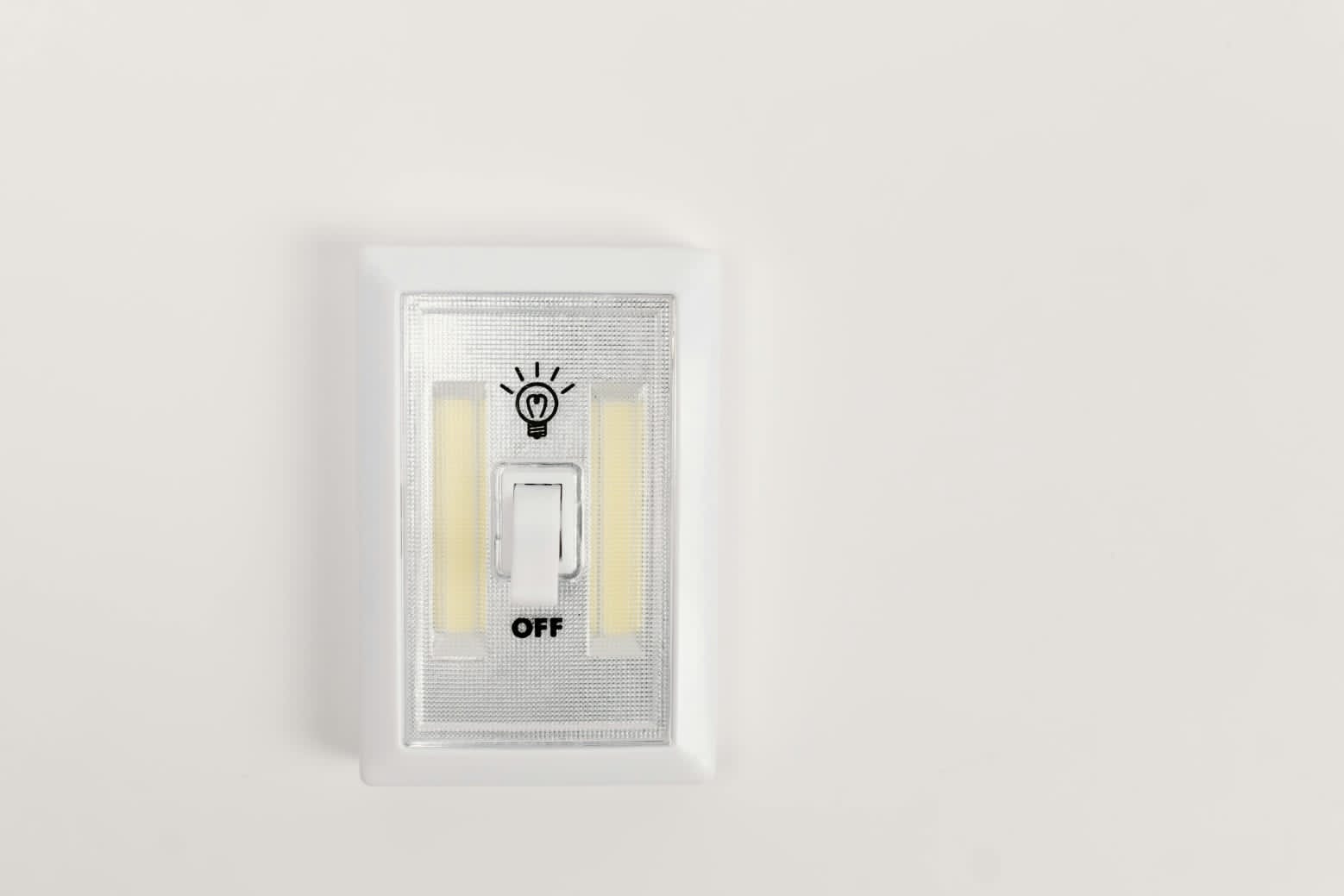
Most people grew up hearing the same advice: “Turn off the lights when you leave the room.” It’s one of the most common energy-saving habits taught at home, in schools, and even in workplaces.
But in today’s world of energy-efficient LED lighting, many people wonder if this advice still matters. Does switching off lights actually save a lot of electricity, or is the impact smaller than we think?
The answer is a bit more nuanced. Turning off lights does save electricity, but the amount of savings depends on the type of bulbs you use and how long lights stay on unnecessarily.
In this article, we’ll break down how much electricity lighting uses, whether turning lights off makes a noticeable difference, and the best ways to reduce lighting energy costs.
How Much Electricity Do Lights Use?
The amount of electricity a light bulb uses depends largely on the type of bulb and its wattage.
Here’s a quick comparison of common lighting types:
- Incandescent bulbs: 40–100 watts
- Halogen bulbs: 29–72 watts
- Compact fluorescent lamps (CFLs): 9–23 watts
- LED bulbs: 6–12 watts
Older incandescent bulbs consume much more electricity than modern LEDs. Because of this, the impact of leaving lights on can vary significantly depending on what type of lighting you have at home.
For example:
- A 60-watt incandescent bulb left on for 5 hours uses 0.3 kWh of electricity.
- A 10-watt LED bulb left on for the same amount of time uses 0.05 kWh.
This means LED bulbs use about 80–85% less electricity than traditional incandescent bulbs.
Does Turning Off Lights Actually Save Electricity?
Yes, turning off lights always saves electricity. Any time a light is on, it is actively using power.
However, the amount of electricity saved depends on how long the light would have been left on and what type of bulb is being used.
Example scenario
If you turn off a 10-watt LED bulb that would otherwise stay on for 4 hours:
- Energy saved: 0.04 kWh
If electricity costs $0.15 per kWh, the savings would be less than one cent.
That might sound small, but when multiplied across many lights and many days, the savings can become more noticeable.
For example, if you leave several lights on in different rooms for hours each day, the extra electricity use can gradually increase your monthly bill.
Why Turning Off Lights Still Matters
Even though modern lighting is more efficient, turning off lights when they’re not needed is still a good energy-saving habit.
Here’s why:
1. Small Savings Add Up
A single light might not cost much, but a house often has 10–30 light fixtures. Leaving multiple lights on throughout the day can increase energy use over time.
2. It Reduces Overall Energy Consumption
Lower energy consumption helps reduce demand on power plants and contributes to more sustainable energy use.
3. It Extends Bulb Lifespan
Turning lights off when not in use can help extend the life of certain types of bulbs, especially older incandescent or halogen lights.
When It’s Most Important to Turn Lights Off
While turning off lights is always helpful, there are certain situations where it makes the biggest difference.
Leaving the House
If you’re leaving home for several hours, turning off unnecessary lights can prevent wasted electricity.
Rooms That Aren’t Frequently Used
Guest rooms, storage areas, and basements are common places where lights accidentally stay on longer than needed.
Homes with Older Bulbs
If your home still uses incandescent or halogen bulbs, turning lights off can save significantly more electricity compared to LED lighting.
How LED Lighting Changed Energy Savings
LED lighting has dramatically improved energy efficiency in homes.
Compared to older bulbs, LEDs offer several advantages:
- Use up to 85% less electricity
- Last 10–25 times longer
- Produce less heat
- Require less maintenance
Because LEDs are so efficient, the cost of leaving a single LED bulb on is relatively small. However, using efficient lighting combined with good habits is still the best way to manage energy use.
Other Ways to Reduce Lighting Energy Costs
Turning off lights is helpful, but there are several additional strategies that can further reduce electricity consumption.
Switch to LED Bulbs
If your home still uses incandescent or CFL bulbs, upgrading to LEDs can significantly reduce electricity use.
Install Motion Sensors
Motion sensor lights automatically turn on when someone enters a room and turn off when the room is empty.
Use Natural Light
Opening curtains or blinds during the day can reduce the need for artificial lighting.
Install Smart Lighting
Smart bulbs allow you to control lighting remotely and schedule lights to turn off automatically.
Review Energy Costs
Sometimes lowering your electricity bill involves understanding your energy plan. In some regions, comparing options like walton gas rates or other utility pricing structures can help homeowners better manage overall household energy expenses.
Frequently Asked Questions (FAQs)
Does turning off lights really save money?
Yes, turning off lights saves electricity. The amount of money saved depends on the bulb type and how long the lights would have been left on.
Do LED lights use a lot of electricity?
No. LED lights are very energy-efficient and use significantly less electricity than incandescent or halogen bulbs.
Is it better to leave LED lights on or turn them off?
It’s still better to turn them off when they’re not needed. Even though LEDs use little electricity, switching them off prevents unnecessary energy use.
Do lights use electricity even when no one is in the room?
Yes. A light bulb uses electricity anytime it is switched on, regardless of whether someone is in the room.
Does turning lights on and off damage the bulbs?
For LED lights, frequent switching generally does not cause significant damage. Older bulb types may wear out faster with frequent switching.
What uses more electricity in a home than lighting?
Large appliances such as heating systems, air conditioners, electric water heaters, refrigerators, and dryers typically consume far more electricity than lighting.
Final Thoughts
Turning off lights when you leave a room may seem like a small habit, but it still contributes to reducing electricity use and saving energy over time. While modern LED lighting has made lighting much more efficient, unnecessary lighting can still add up—especially in homes with many fixtures.
The biggest savings come from combining smart habits with energy-efficient technology. Switching to LED bulbs, using natural daylight, and turning off lights when they’re not needed are simple steps that help reduce energy waste.
Even though lighting is not the largest contributor to household electricity bills, practicing mindful energy use is still a valuable part of building a more efficient and cost-conscious home.