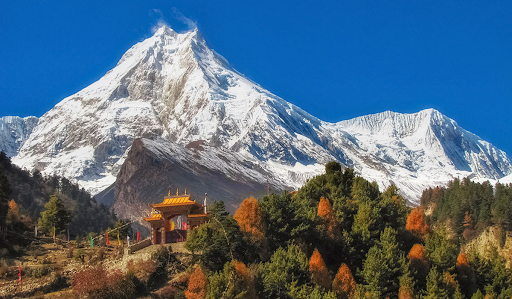
It is the classic and most affordable way to explore the majestic mountain regions of Nepal. Similarly, trekking focuses on simple teahouse stays, shared local transport, and flexible itineraries. Most of the popular trekking destinations offer well-developed trails, affordable food, and a wide network of basic lodges. Therefore, trekkers can opt for the trek even on a tight budget and keep the expenditure minimal. The iconic journeys, like the Manaslu Circuit Trek, are ideal for the budget-conscious explorers.
Similarly, if you opt for the trek via a travel agency, a standard package generally costs about $1,050. This covers simple teahouse accommodation, food, mandatory permits, an experienced trekking guide, and transportation. So, set aside about $15 to $25 per day for personal expenses, like Wi-Fi, hot showers, charging your electronics and snacks.
- Hot showers generally cost $2 to $5 per use (the price increases with the altitude).
- WiFi is around $3 to $8 per day; it may not be reliable in the higher regions.
- Teahouses charge $2 to $5 per device for charging.
- You can budget around $5 to 10 per day for snacks and drinks while on the trail.
- Even though there is no set amount, general practice is to tip $10 to $15 to a guide and $5 to $10 to a porter.
Luxury Himalayan Experiences
It is more suitable for those who want to explore the Himalayas with minimal effort. Similarly, this is the most comfortable option that trades tiring multiple-day trekking for a few hours of a helicopter ride to the mountain region. Furthermore, these rides are more exclusive, as you can witness the Himalayan panorama, various landscapes, traditional villages, trekking trails, rivers, and glaciers all in one frame.
One of the most popular options all over the world is the Everest Base Camp Heli Tour. It allows the passengers to fly straight to the base camp, completely skipping the long, multi-day trek. During the flight, you’ll enjoy breathtaking aerial views of deep valleys, massive glaciers and some of the most iconic peaks in the world. One can choose either a landing or a flyover tour. Helicopters usually land at popular viewpoints like Kala Patthar where you can take stunning panoramic photos. On the other hand, if you pick a flyover, it just hovers close to the viewpoints.
In recent years, helicopter tours have been gaining popularity because of accessibility. Moreover, it is also ideal for limited-time travelers and families, as even children and older citizens can opt for it.
Everest Helicopter Tour Cost Breakdown
A standard package is about $1,300 per person (13 % VAT included). It covers airport pickup and drop-off at your designated hotel in Kathmandu. Passengers also get emergency oxygen tanks inside the helicopter if they are needed. Likewise, it covers the pilot cost, fuel, permits, and all other airport taxes. However, these packages do not take care of international flights, your visa, and your personal expenses. Since it is just a few hours long, about $100 to $150 is more than enough for breakfast, snacks, and tipping the staff. If you want to roam around Kathmandu and try some street food afterwards, then carry a few hundred dollars more.
Budgeting For Peak Climbing In Nepal
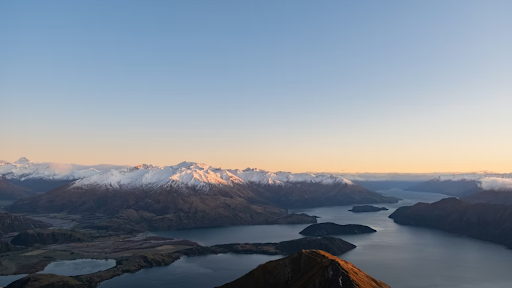
They are more advanced and technical compared to trekking and the helicopter tours. Moreover, you also require specific climbing gear, including clothing and other equipment. The journey is also much longer, which requires greater food and accommodation services. Thus, they are generally costlier as well.
Climbers also need to obtain special climbing permits and hire an expedition leader. They also have to budget for their personal expenses. Generally, experiences like the Island Peak Climbing (17 days) cost $2,200 per person. At this price, passengers get the services mentioned below.
- Pick up and drop off services from and to the airport
- An experienced and local expedition leader
- Three meals a day (Breakfast, lunch, and dinner)
- Basic climbing equipment, like a tent, a fixed rope, and cooking utilities
- Kathmandu to Lukla to Kathmandu flight
- Sleeping bag, Down jacket, and trekking sticks or poles, if you do not have them
- Necessary permits, transportation, government taxes, and other legal expenses
What standard packages do not include
- Personal climbing gear, like a climbing suit, boots, headcovers, etc.
- Additional snacks and beverages
- Wi-Fi, hot showers, and charging your electronics while trekking
- Travel Insurance
- International flight and visa
Set aside about $20 to $30 for personal expenses during peak climbing. The cost of Wi-Fi, hot showers, and snacks per day is similar to that of trekking. This is because your journey first follows the same itinerary of the classic treks before the climb to the summit starts. Similarly, when you are summiting the peaks, there are no teahouses, so there will be no extra expenditure.
Cultural And Local Experience Add-ons
When you are trekking in the Himalayas, it is not just about the scenic views. The unique ethnic communities and their traditional practices are equally fascinating as well. Similarly, they add more authenticity and meaning to the journey. Trekkers should interact with the locals and learn about their simple lifestyle. Additionally, they should also try their local dishes that are more than just meals. Traditional dishes are prepared with fresh ingredients and using several-year-old recipes that are passed down from generation to generation.
Likewise, the mountain people generally have Tibetan Buddhist beliefs. They are reflected by various cultural symbols along the way, like prayer flags, mani walls, and chortens. Additionally, trekkers should visit the regional monasteries and be part of the morning prayers and other rituals. During festivals, they can also observe unique celebrations with folk dances, wearing colorful masks and costumes. If you are someone who is keen to learn more, you may request your tour operator for separate cultural tours. Most of them arrange it in no time and provide a guide who offers deeper insight and tales about these monuments and landmarks. These add-ons are not that expensive and cost about $50 to $200 in total.