How AI and Data Visibility Are Transforming Pharmaceutical Packaging and Production Lines

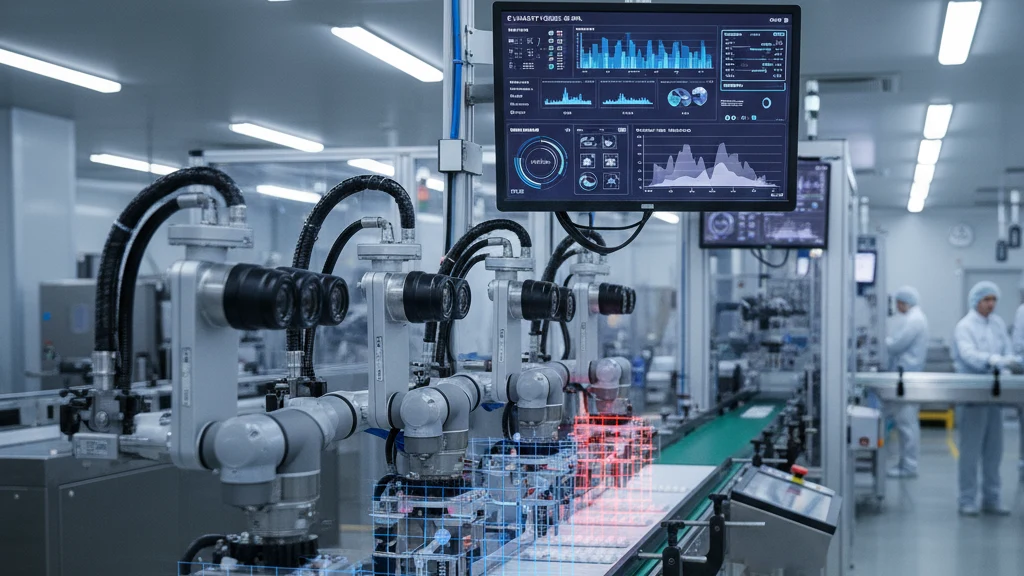
The pharmaceutical manufacturing sector is undergoing a significant shift, driven by the integration of artificial intelligence (AI), automation, and advanced data systems. As regulatory expectations tighten and global supply chains grow more complex, manufacturers are under increasing pressure to improve efficiency, ensure traceability, and maintain consistent product quality. In this context, digitalisation is no longer optional—it is becoming a core operational requirement.
At the centre of this transformation is the convergence of AI and data visibility, which is reshaping how pharmaceutical packaging and production lines operate. Rather than relying on isolated systems and manual oversight, modern facilities are adopting interconnected technologies that enable real-time monitoring, predictive decision-making, and end-to-end transparency.
The Role of AI in Modern Pharmaceutical Operations
AI is increasingly being deployed to enhance decision-making across production environments. In pharmaceutical packaging lines, AI-driven systems can analyse vast amounts of operational data to identify patterns that are not easily visible through traditional monitoring methods.
For example, AI algorithms can:
- Detect subtle deviations in process parameters
- Predict equipment failures before they occur
- Optimise production schedules based on demand and capacity
These capabilities allow manufacturers to move from reactive problem-solving to proactive process optimisation. Instead of responding to issues after they disrupt operations, teams can anticipate and prevent them, reducing downtime and improving overall efficiency.
Manufacturers of pharmaceutical and packaging machinery, such as www.richpacking020.com, are increasingly integrating these intelligent technologies into their equipment, reflecting a broader shift towards smarter and more efficient production environments.
Enhancing Data Visibility Across the Production Line
Data visibility is a critical component of digital transformation in pharmaceutical manufacturing. Traditionally, data from different stages of production—such as filling, sealing, inspection, and packaging—has been stored in separate systems. This fragmentation limits the ability to gain a comprehensive view of operations.
Modern digital systems address this challenge by consolidating data into unified platforms. These systems provide real-time dashboards that display key performance indicators (KPIs), including:
- Production throughput
- Equipment utilisation rates
- Quality metrics
- Downtime events
With improved visibility, managers can quickly identify inefficiencies, track performance trends, and make informed decisions. This level of transparency is particularly valuable in high-volume production environments, where even small inefficiencies can lead to significant cost implications.
Traceability as a Regulatory and Operational Priority
Traceability has become a central requirement in pharmaceutical production, driven by both regulatory mandates and the need for supply chain transparency. Every product must be traceable from raw materials to final distribution, ensuring accountability at each stage.
Digitalisation plays a key role in enabling traceability by:
- Recording detailed batch data automatically
- Linking production parameters to specific outputs
- Maintaining secure digital records for audits
AI further enhances traceability by analysing historical data to identify potential quality risks. For instance, if a deviation occurs in a particular batch, AI systems can trace it back to specific process conditions, helping manufacturers implement corrective actions quickly and effectively.
This level of traceability not only ensures compliance but also strengthens quality assurance processes, reducing the likelihood of recalls and associated costs.
Automation and Workflow Integration
Automation remains a foundational element of pharmaceutical packaging, but its role is evolving. Instead of focusing solely on repetitive tasks, modern automation systems are designed to work in conjunction with digital platforms and AI tools.
Integrated automation enables:
- Seamless communication between different stages of production
- Synchronised workflows that reduce bottlenecks
- Automated adjustments based on real-time data
For example, if a slowdown is detected in one part of the line, the system can automatically adjust upstream or downstream processes to maintain balance. This level of coordination improves overall line efficiency and reduces the need for manual intervention.
Reducing Costs Through Predictive Maintenance
One of the most practical applications of AI in pharmaceutical production is predictive maintenance. Equipment failures can lead to costly downtime, especially in tightly regulated environments where restarting production involves extensive validation.
Predictive maintenance systems use sensor data and AI algorithms to monitor equipment health continuously. By analysing factors such as vibration, temperature, and operating conditions, these systems can identify early signs of wear or malfunction.
The benefits include:
- Reduced unplanned downtime
- Lower maintenance costs
- Extended equipment lifespan
This approach allows maintenance teams to schedule interventions at optimal times, minimising disruption to production schedules.
Supporting Scalability and Flexibility
Pharmaceutical markets are characterised by fluctuating demand and increasing product diversity. Manufacturers must be able to adapt quickly without compromising efficiency or compliance.
Digitalised production lines support scalability by enabling:
- Rapid configuration changes for different products
- Flexible production scheduling
- Efficient resource allocation
AI-driven systems can also simulate different production scenarios, helping managers determine the most efficient way to scale operations. This flexibility is essential for responding to market changes and maintaining competitiveness.
Improving Decision-Making with Real-Time Insights
The integration of AI and data visibility fundamentally changes how decisions are made in pharmaceutical manufacturing. Instead of relying on historical reports or manual analysis, managers have access to real-time insights that reflect current operating conditions.
This enables:
- Faster response to production issues
- More accurate forecasting
- Continuous process improvement
By leveraging data-driven insights, manufacturers can optimise performance across the entire production line, from raw material handling to final packaging.
Challenges and Considerations
While the benefits of AI and digitalisation are clear, implementation is not without challenges. Manufacturers must address issues such as:
- Integration with existing legacy systems
- Data security and integrity
- Workforce training and adaptation
Successful adoption requires a strategic approach, including investment in infrastructure, staff training, and ongoing system optimisation.
Conclusion
AI, automation, and data visibility are redefining pharmaceutical packaging and production lines. These technologies enable manufacturers to achieve higher levels of efficiency, traceability, and operational control, while also supporting compliance with stringent regulatory requirements.
As digital transformation continues to evolve, the ability to harness real-time data and intelligent systems will become a key differentiator in the industry. Manufacturers that embrace these changes are better positioned to navigate complexity, reduce costs, and maintain consistent product quality in an increasingly demanding global market.